Category: Soil & Fertilizer
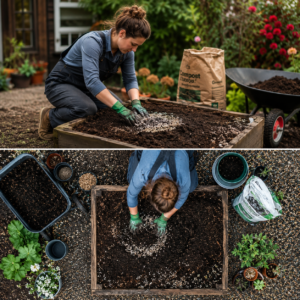 There’s something deeply comforting about sinking your hands into rich, dark soil after a long day. The scent alone can feel grounding — earthy, Soil & Fertilizer calm, alive. Over the years, I’ve learned that the most beautiful gardens rarely begin with expensive plants or designer layouts. They begin underground, quietly, where roots stretch into healthy soil and find the nourishment they need to thrive.
Many beginner gardeners focus entirely on flowers, vegetables, or aesthetics first. I did the same when I started. I remember planting rows of tomatoes in tired, compact soil and wondering why they looked weak despite daily watering. It wasn’t until an older gardener in my neighborhood handed me a bucket of homemade compost and said, “Feed the soil before the plant,” that everything changed. That tiny lesson completely transformed the way I garden.
Healthy soil has a softness and life to it that you can actually feel. It holds moisture without becoming muddy, smells fresh after rain, and supports tiny organisms working invisibly beneath the surface. Good fertilizer simply supports that living system. When both work together, gardens become fuller, greener, and surprisingly easier to maintain.
One of the biggest mistakes I see in home gardening is over-fertilizing. It’s tempting to believe more fertilizer equals faster growth, but plants don’t work that way. In fact, too much feeding often creates weak stems, burned roots, and disappointing blooms. I once used a strong chemical fertilizer on a container herb garden hoping for dramatic growth before summer guests arrived. Instead, the basil leaves yellowed within days. Since then, I’ve leaned toward slow, balanced feeding methods that build long-term soil health instead of chasing instant results.
Organic compost remains one of the most reliable garden improvements I’ve ever used. Kitchen scraps, dried leaves, coffee grounds, and grass clippings slowly turn into rich material that transforms tired soil into something vibrant. Even a small amount mixed into raised beds can improve drainage, moisture retention, and plant vitality. There’s also something emotionally satisfying about turning household waste into life for the garden. It creates a beautiful cycle that feels both practical and deeply personal.
Different plants, of course, need different soil conditions. Vegetables often thrive in nutrient-rich loose soil, while herbs usually prefer slightly drier, well-drained environments. Understanding these small differences makes gardening feel less frustrating and far more intuitive. One season, I planted lavender beside moisture-loving vegetables and couldn’t understand why it struggled. After moving it into sandy soil near a sunny walkway, it flourished almost effortlessly. That experience taught me that successful gardening is often about listening carefully rather than controlling everything.
Liquid fertilizers can also be incredibly useful when plants need quick support. I often use diluted fish emulsion or seaweed feed during active growing months, especially for tomatoes and flowering containers. The results are gentle but noticeable — healthier foliage, stronger blooms, and richer color without overwhelming the plants. Still, I believe fertilizers work best as supplements, not shortcuts. Healthy soil should always remain the foundation.
There’s a quiet patience that develops when you care for soil properly. Gardens stop feeling rushed. You begin noticing texture, moisture, worms, fallen leaves, and seasonal rhythms in a completely different way. And oddly enough, tending soil can become one of the most peaceful parts of gardening itself.
In the end, thriving gardens are rarely about perfection. They’re about balance, observation, and consistency. Feed the soil with care, use fertilizer thoughtfully, and your plants will usually tell you the rest. Beneath every lush flower bed or productive vegetable patch is a hidden world doing the real work — and once you start nurturing that world, gardening becomes infinitely more rewarding.
-
how to dose fertilizer for plants
Soil & Fertilizer • Dosing Guide How To Dose Fertilizer For Plants—iIndoor + Garden Without The Guesswork 🕒 Reading Time: 10 min 💡 Number of Ideas: 6 💷 Budget Range: Low–Medium 🌱 Skill Level: Beginner-friendly If you’ve ever stared at a fertilizer label and thought, “Is this too much… or not enough?”, you’re not alone.…
Categories: Soil & Fertilizer -
How to dose worm castings compost fish emulsion
Soil & Fertilizer Organic Fertilizer Dosing for Containers: Easy Guide Reading Time: 10–12 min Number of Ideas: 7 Budget Range: $–$$ Skill Level: Beginner-Friendly If you’ve ever stared at a houseplant and thought, “Is this too much fertilizer… or not enough?”— you’re not alone. Organic Fertilizer Dosing for Containers is the gentle, practical art of…
Categories: Soil & Fertilizer -
How-to-dilute-liquid-fertilizer
Soil & Fertilizer • Dilution Liquid Fertilizer Dilution: How to Mix Safely (Tablespoons per Gallon) Reading Time: 12 min Number of Ideas: 10 Budget Range: $–$$ Skill Level: Beginner-friendly If you’ve ever seen crisped leaf edges after “just a little feeding,” you’re not alone. Today I’ll walk you through liquid fertilizer dilution using tablespoons per…
Categories: Soil & Fertilizer