FAQ: Liquid Fertilizer Dilution (Safely, by the Label)
“The fastest way to grow confidently is to understand the why—then follow a repeatable method.”
1. How much liquid fertilizer should I mix for indoor plants?
For indoor plants, I usually recommend starting at 1/4 to 1/2 strength compared to the label’s full rate,
then feeding only if the plant is actively growing. Indoor conditions can be slower than outdoors—especially when nights cool.
Start low dosing, observe new growth for 7–14 days, and only then adjust.
2. What does “tablespoons per gallon” mean?
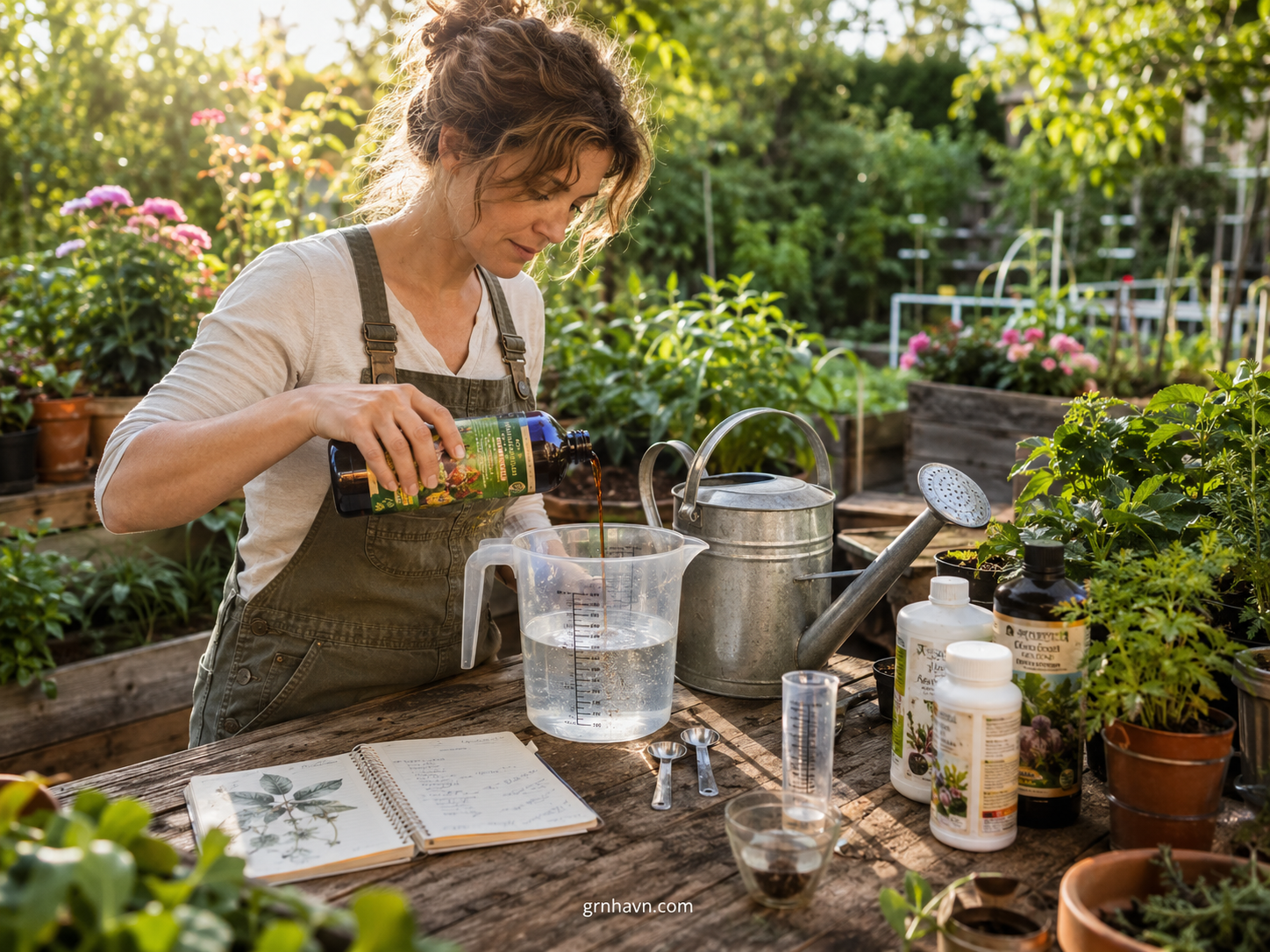
It’s a ratio that tells you how many tablespoons of fertilizer concentrate to mix into one gallon of water.
If the label says 1 tablespoon per gallon, that’s the label’s full-strength mix. If you’re new or your plant is sensitive,
use start low dosing—like 1/2 or 1/4 of that amount.
3. How do I dilute fertilizer if the label uses ml/L (EU)?
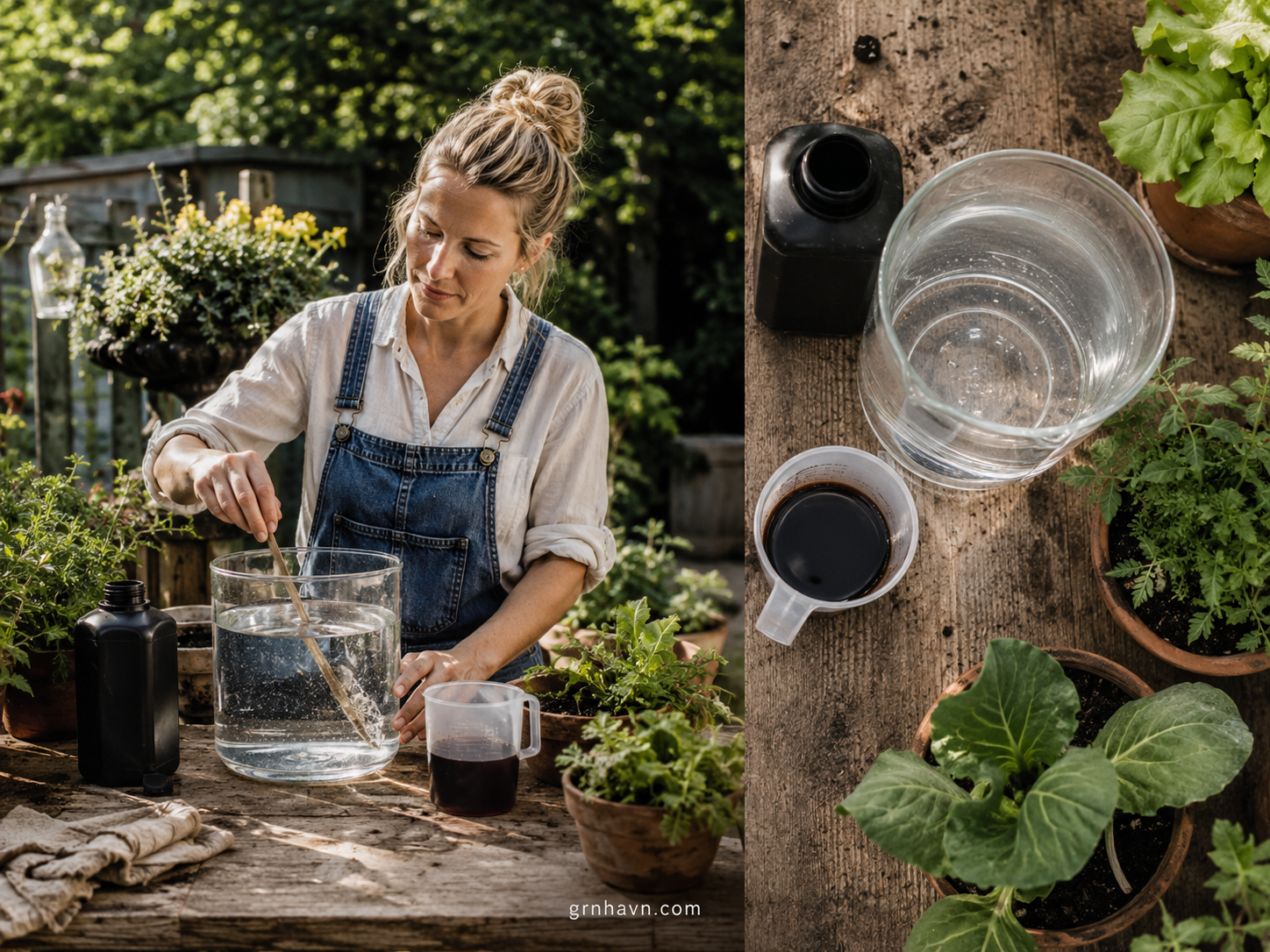
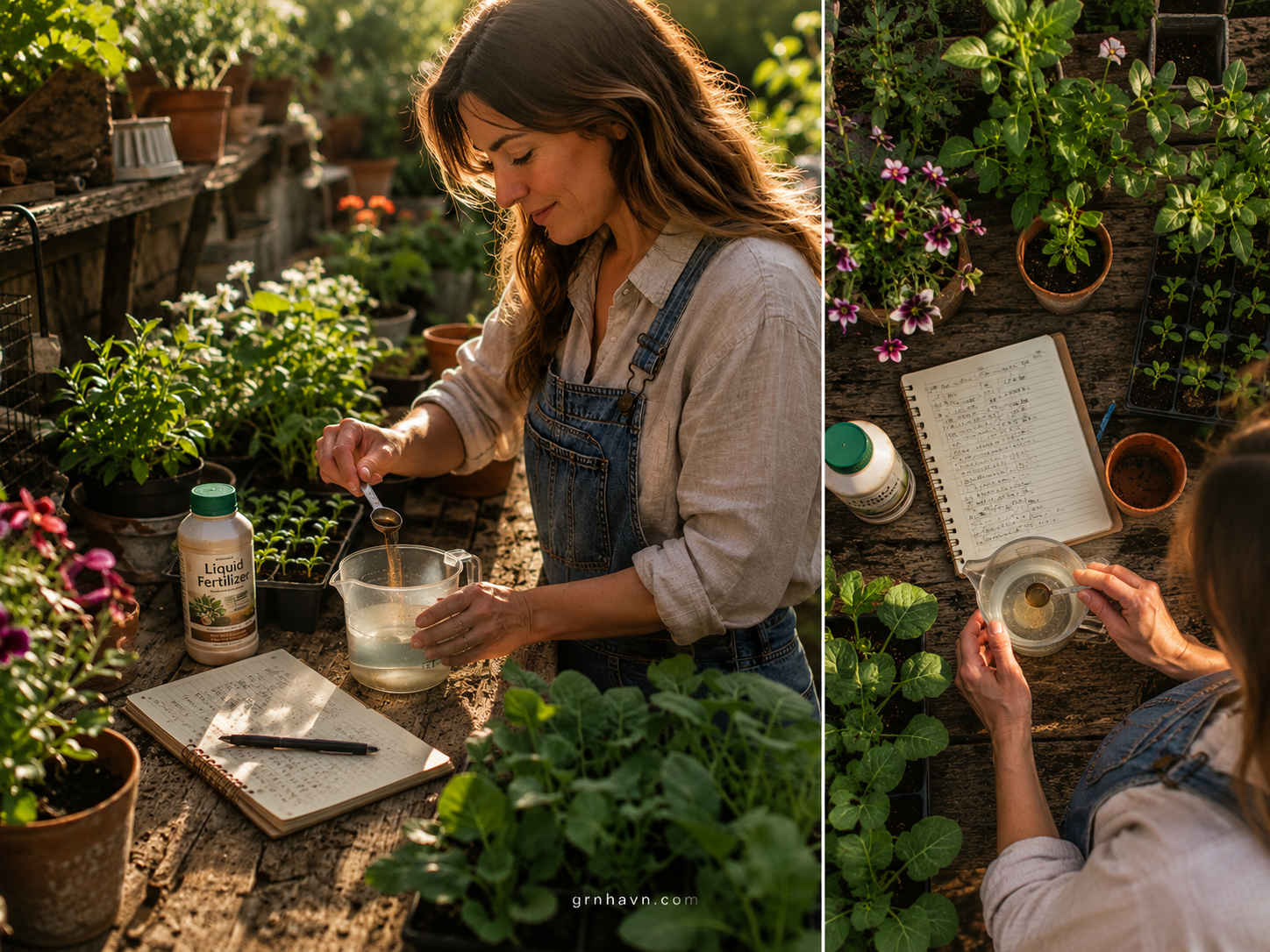
ml/L means milliliters of fertilizer concentrate per liter of water. Keep it simple: measure the ml on the bottle label,
mix into a measured liter (or use a graduated jug), and for beginners reduce to about 25–50% of that label strength.
This approach protects against fertilizer burn when plants are growing slower.
4. Can I measure fertilizer without a kitchen scale?
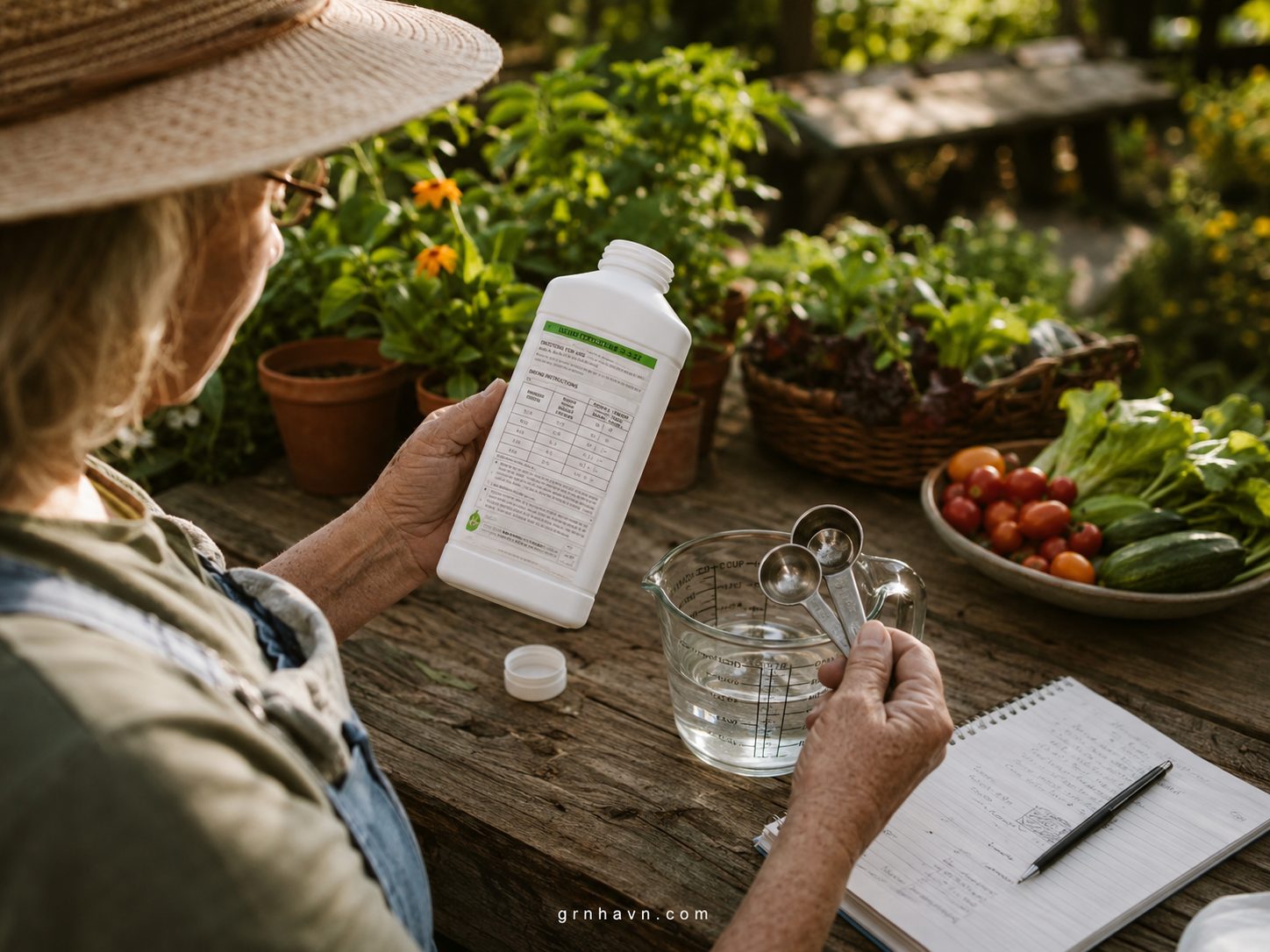
Yes—tablespoons and ml markings are designed for this. Use consistent measuring spoons or a graduated dosing jug.
When you can measure reliably (instead of estimating), your liquid fertilizer dilution becomes far safer—even without a kitchen scale.
5. What’s a safe beginner dilution strength?
A very safe beginner strength is typically 1/4 to 1/2 of the label’s recommended full rate.
Then wait 7–14 days to see how the plant responds. This method balances confidence with caution.
6. Should I apply liquid fertilizer to dry soil?
I don’t recommend it. Dry soil can concentrate salts around roots and increase the risk of fertilizer burn.
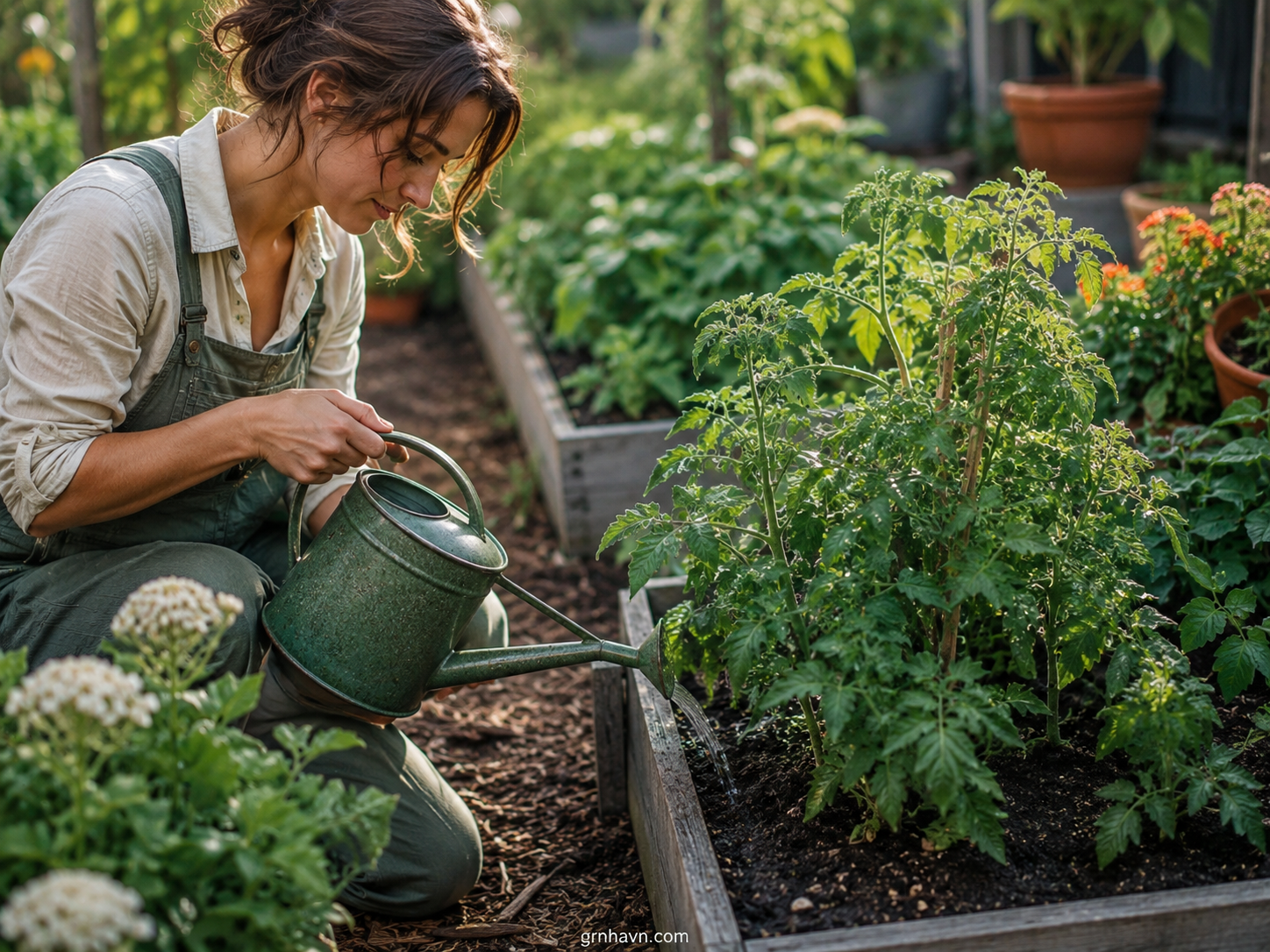
Water first to get the soil moist, then apply your diluted mix.
7. Do I need to flush or water extra after liquid feeding?
Usually, you only need extra watering if the soil drains unusually fast, or if you suspect salt buildup.
Many gardeners do a light follow-up watering when plants are container-grown to keep the root zone balanced.
8. Can I fertilize weekly with diluted liquid fertilizer?
Sometimes—if the plant is actively growing and you’re using weaker dilution.
In cooler weather (near frost seasons or during colder snaps in Europe), weekly feeding may still be too much.
Adjust frequency based on growth pace, not habit.
9. How long does it take to see results from liquid fertilizer?
Often you’ll notice improvement in 1–3 weeks, depending on plant type, temperature, and light.
The goal is steady progress—new leaf growth and better color—not instant “miracles.”
10. Can liquid fertilizer cause burns if it’s mixed correctly?
Yes. Even correct dilution can burn if the timing is off (like feeding dry soil),
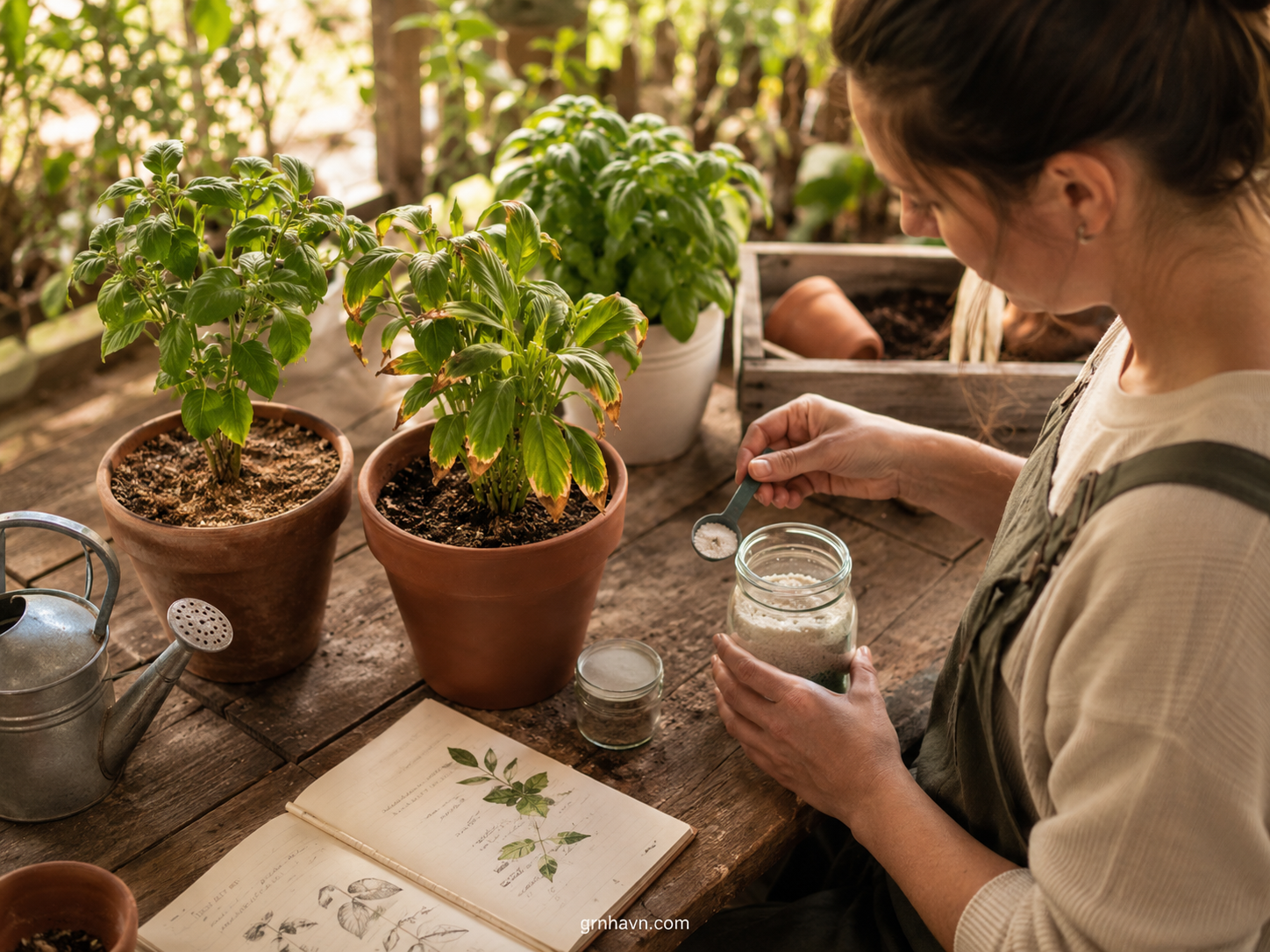
if the plant is stressed (heat/cold), or if you’re fertilizing more frequently than the plant can use.
Safety comes from mixing + application + season.
11. Can I use the same dilution for every plant?
Not always. Different plants (and different growth stages) absorb nutrients differently.
Use label guidance as a baseline, but treat sensitive or young plants with extra caution—start low dosing and adjust.
12. What’s foliar feeding and is it safe for beginners?
Foliar feeding sprays diluted nutrients onto leaves. It can be safe, but beginners often do better starting with soil drench.
If you try foliar feeding, use label directions, avoid direct hot sun, and keep concentrations gentle.
13. How do I avoid mixing mistakes with concentrate bottles?
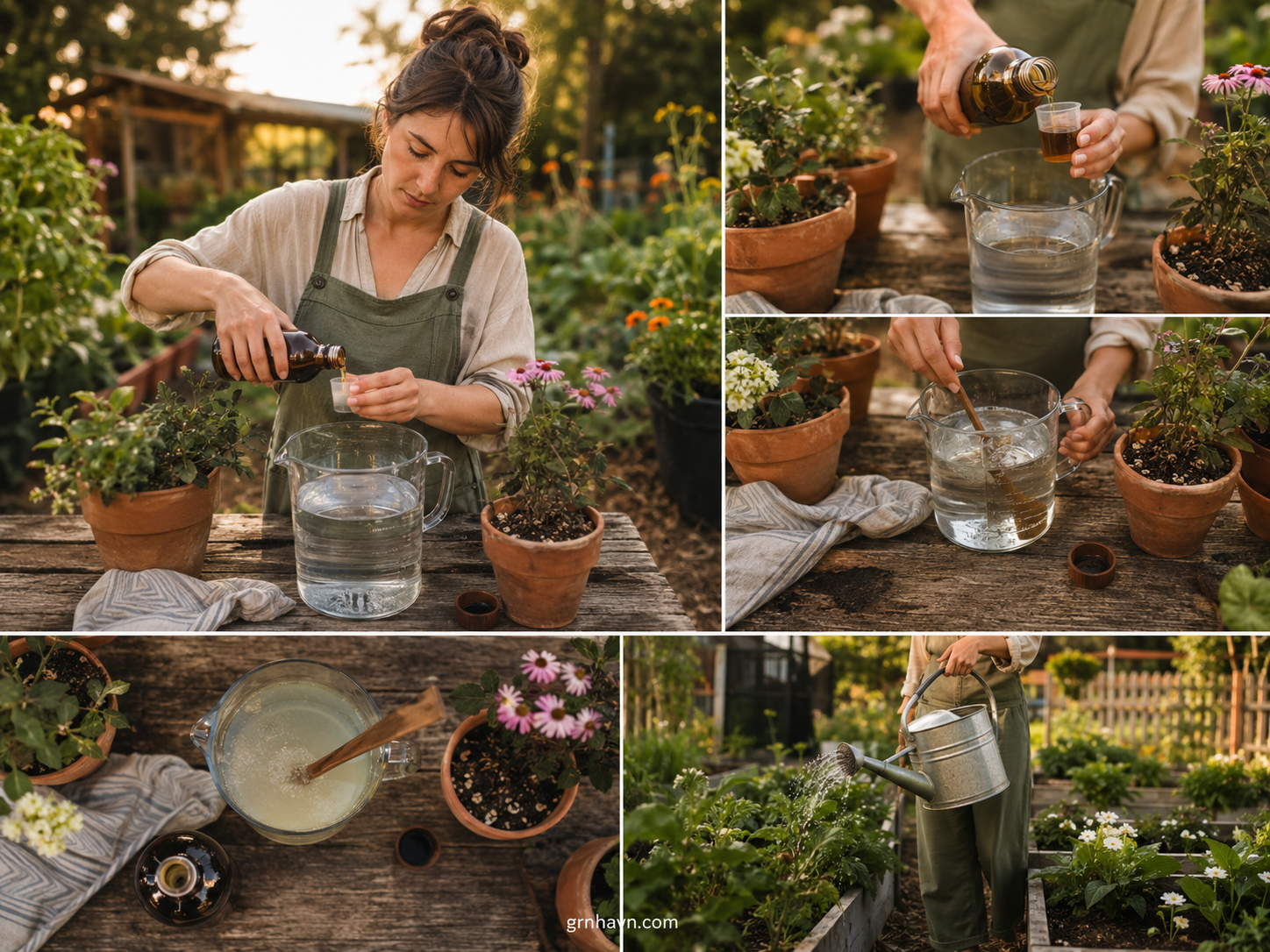
Measure carefully, label your mixing container, and keep one measuring tool dedicated to fertilizer.
Also, don’t “eyeball” tablespoons—when you measure consistently, liquid fertilizer dilution becomes reliable.
14. What water should I use for dilution (tap vs filtered)?
Tap water is fine for most gardeners. If your tap water is very hard or you see consistent issues,
try filtered or use fresh water that isn’t extremely cold. The dilution math matters most—then consistency.
15. Is it better to fertilize more often with weaker dilution or less often with stronger dilution?
For beginners, weaker dilution more often can be safer if the plant is actively growing.
But in cool weather, even “weak” schedules can overwhelm the plant.
My guidance: choose a gentler strength, monitor response, and adjust frequency seasonally.