Naturally Black Flowers
(No Dye)
The Darkest Blooms to Grow Indoors & in Your Garden
If you’ve ever searched “naturally black flowers” and felt disappointed by plant tags that look like ink in photos but maroon in real life—welcome. I’ve grown the “black” look in my own beds and indoor planters, and I’ll be honest: there’s a difference between dyed drama and naturally dark blooms that truly read black in the right conditions.
In this guide (for US USDA hardiness zones and European frost logic alike), we’ll sort what “black” really means, pick reliable dark flower varieties for your climate and light, and use practical tricks—soil, sun, watering stress—to help your blooms appear deeper, moodier, and more convincing. Think of it as gardening confidence… with a little cinematic magic.
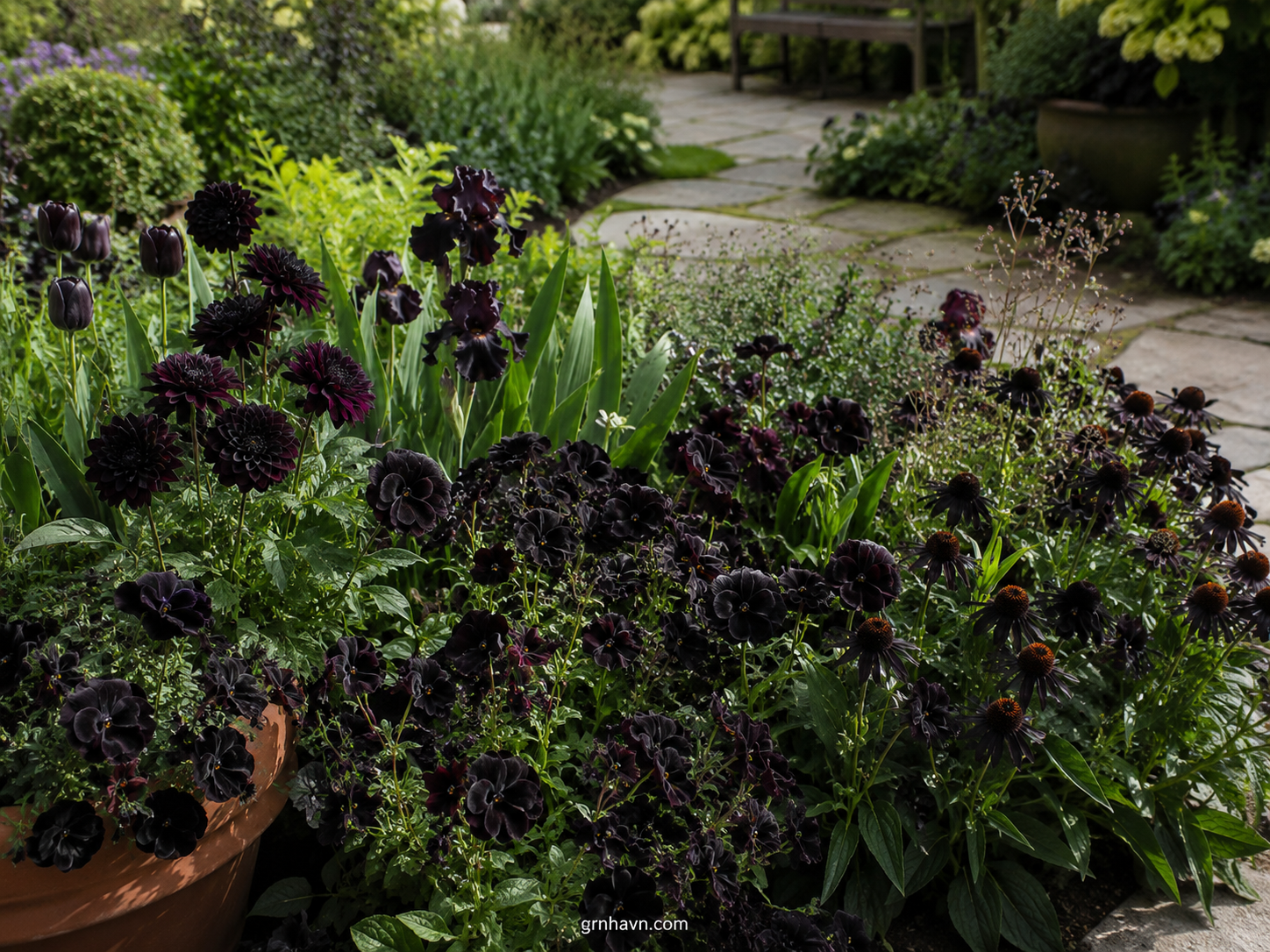
Table Of Contents
My Promise (From One Gardener To Another)
You’re not just collecting dark-colored petals—you’re building a scene. I want you to leave this post with names that actually deliver the look, and the know-how to coax that “ink-black” mood out of the plants you can realistically grow.
Expect friendly reality checks, a beginner-friendly shortlist, and small adjustments you can make this season (not someday). If you try these methods and still get lighter blooms, we troubleshoot together—no blame, just pattern recognition.
What Counts As “Naturally Black” Flowers?
Let’s start with the part gardeners don’t always explain well: “black” in flowers is mostly a perception game. In catalogs and photos, dark petals can look like ink. In your yard, they read as maroon, deep purple, or very dark blue—still gorgeous, but different. The good news? You can learn the difference, and you can grow the kind of dark blooms that consistently read as black.
Are there truly black flowers in nature?
The short answer is: truly black flowers are extremely rare. Pigments don’t behave the way our brains wish they did. Many “black” blooms rely on pigments like anthocyanins—the compounds that shift purple-red tones depending on conditions. When sunlight is strong and reflectance is low, those dark shades can collapse visually into something that looks black from a normal viewing distance.
Why most “black” blooms are deep purple or maroon
Anthocyanins create near-black vibes by layering purple-red hues and reducing brightness. And because chemistry is influenced by the environment, color changes with maturity, temperature, soil pH, and especially light intensity. If your “black” flowers look lighter, it usually isn’t that you failed—it’s that the plant is showing its current palette.
Quick guidance: what readers should expect
Here’s what I tell friends when they ask me “what flowers are naturally black?”: look for cultivars advertised as deep purple, near-black, midnight, or ink—then plan for how lighting will influence them. In full sun, many dark varieties look closer to black; in partial shade, they often lean toward maroon or blue-purple. Your job is to match the plant to your light.
For US gardeners: think USDA zone timing and frost dates—plant for strong growth before heat waves (or use containers indoors). For Europe: consider your frost dates and spring variability; get seedlings started early enough for sturdy plants before summer light intensity peaks.
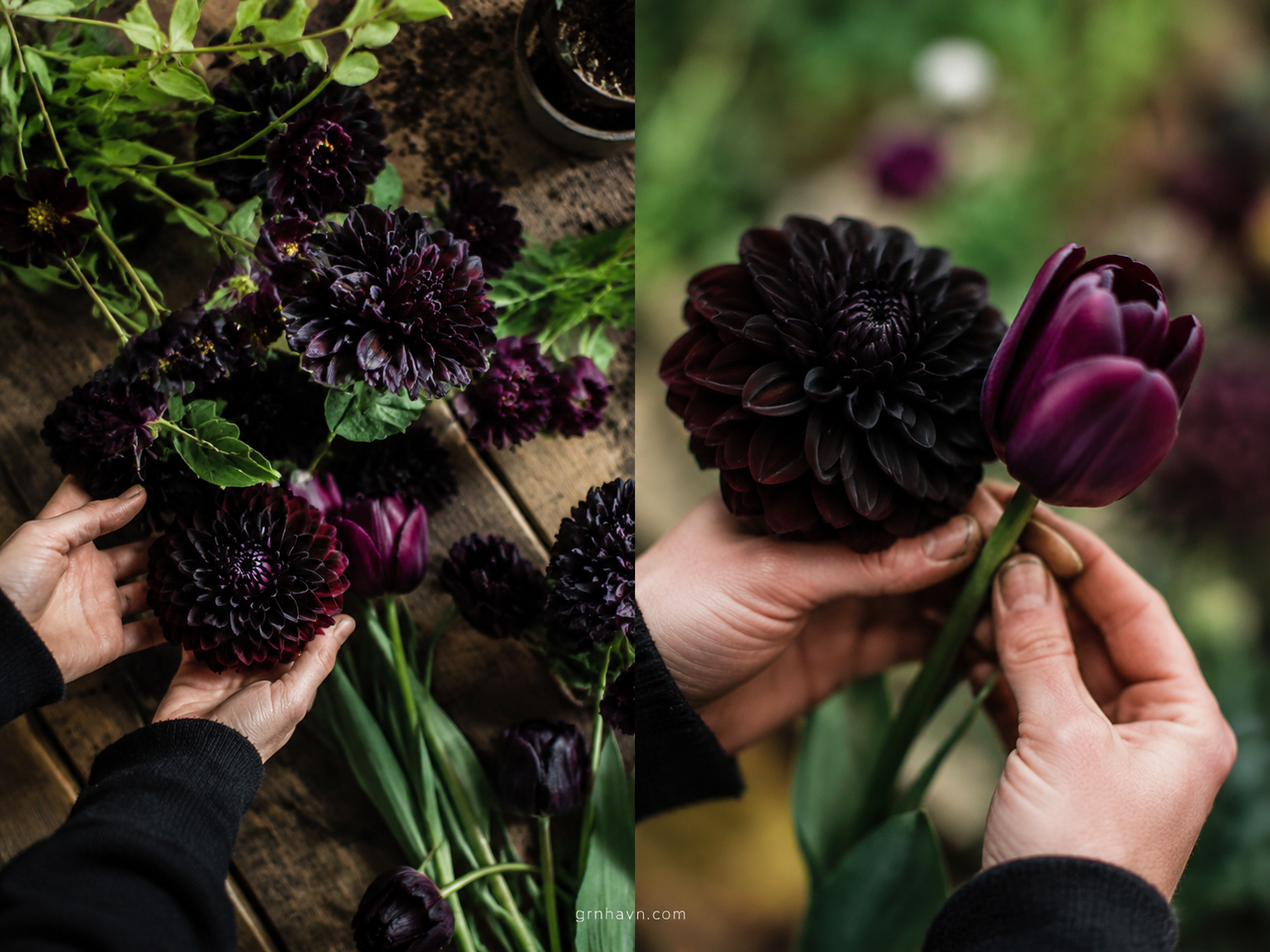
Naturally Black Flower Categories (Garden + Indoor)
When you’re hunting naturally black flowers, the fastest way to avoid disappointment is to choose by growth habit and light availability. Some plants “earn” darkness slowly through mature flower structure; others flash color early and fade fast. Indoor dark flower varieties are often near-black rather than truly ink-black—but you can still achieve a moody, editorial effect.
Use this quick map: if you have consistent sun outdoors, lean toward dark perennials and bulbs. If your space is smaller or you want control, choose container-friendly dark annuals or indoor-friendly near-black flowers with manageable care.
Dark flowering perennials
Perennials are the dependable friends—especially for repeat “black” moments. Many dark-petal cultivars bloom across a season rather than one quick window, so you can plan for continuous color even when weather shifts. Winter hardiness varies by cultivar, so align your selection with your USDA hardiness zone (US) or your coldest winter temperature and frost behavior (EU). If you’re in colder regions, look for hardy recommendations and consider mulching or protective overwintering.
Dark annuals and bedding flowers
Want that instant dramatic payoff? Dark annuals are often the easiest way to create a “black” garden scene quickly. They’re ideal for seasonal displays—especially if you like refreshing your beds each year. In containers, annuals can deepen in color when grown with steady light and not-too-rich, well-draining soil.
Dark bulbs (when to expect blooms)
Bulbs are for gardeners who love planning. The blooms arrive when they’re ready, and you get the satisfaction of timing. In many climates, you’ll plant bulbs in fall (or earlier depending on conditions), then enjoy spring darkness—often when the light is balanced and the plants are actively storing energy. If you’re forcing indoors, use the same logic: cool-down periods and gradual light adjustment help them color more convincingly.
Indoor-friendly near-black flowers
Indoors is where expectations matter. You’ll usually see deep purple, black-purple, or black-ish maroon tones instead of true black. But with low-to-bright light placement—near a bright window, or under appropriate grow light—you can still get that ink-like mood. The key is strong light without constant stress, because irregular watering and low light can wash out anthocyanin intensity.
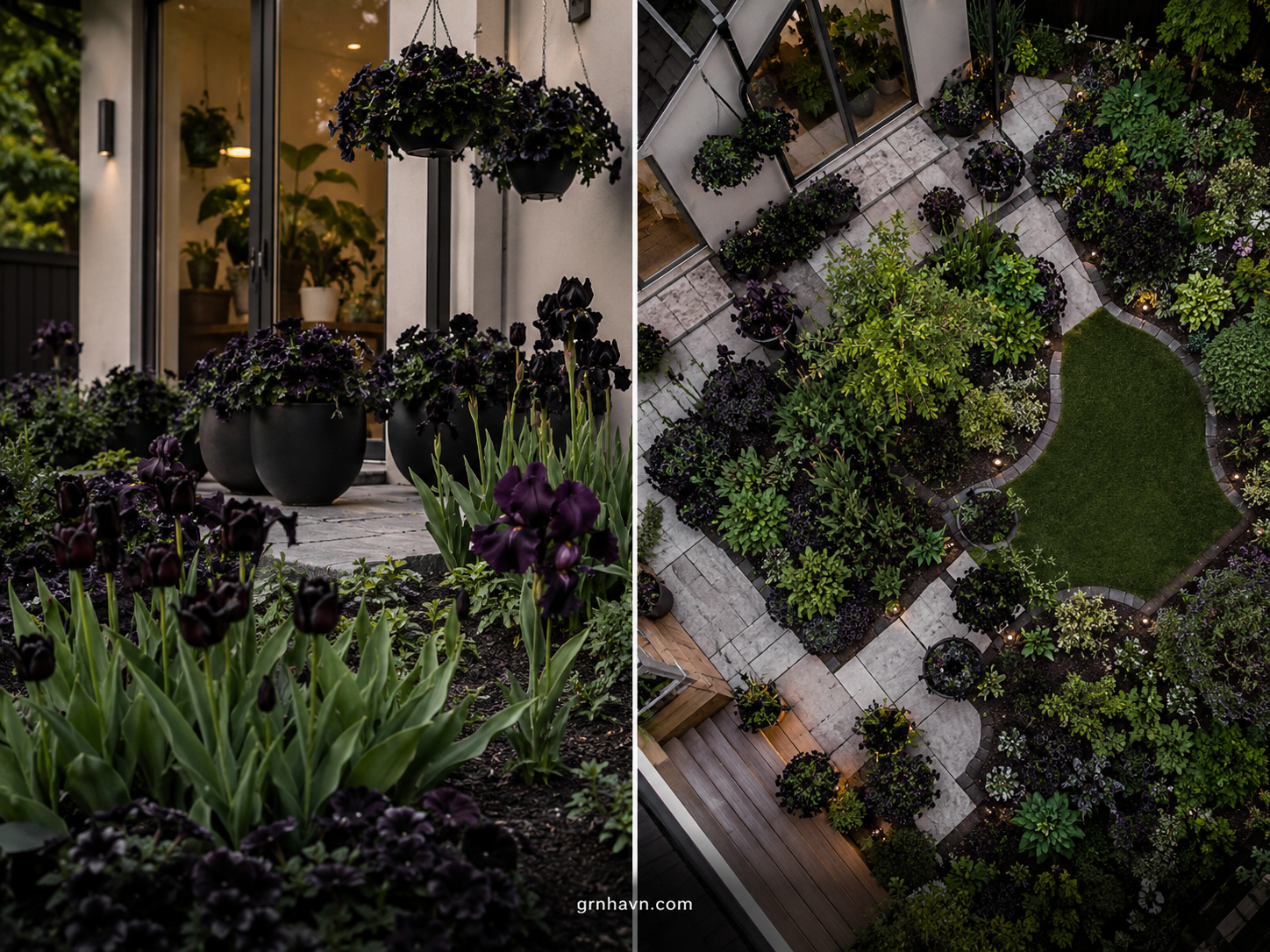
Top Naturally Black Flowers To Grow
Below are my top naturally black flowers—chosen for how reliably they read dark in real gardens and indoor planters. Remember: “black” often means deep purple, maroon, or near-black blue depending on light. That’s not a flaw. It’s the magic that lets the same plant look different at sunrise, mid-day, and in shade.
Examples by look (black-purple, black-blue, black-red)
Black-purple: often looks ink-black in full sun on mature blooms.
Black-blue: reads as black under cool conditions and bright light.
Black-red: tends to turn maroon-burgundy when light is weaker.
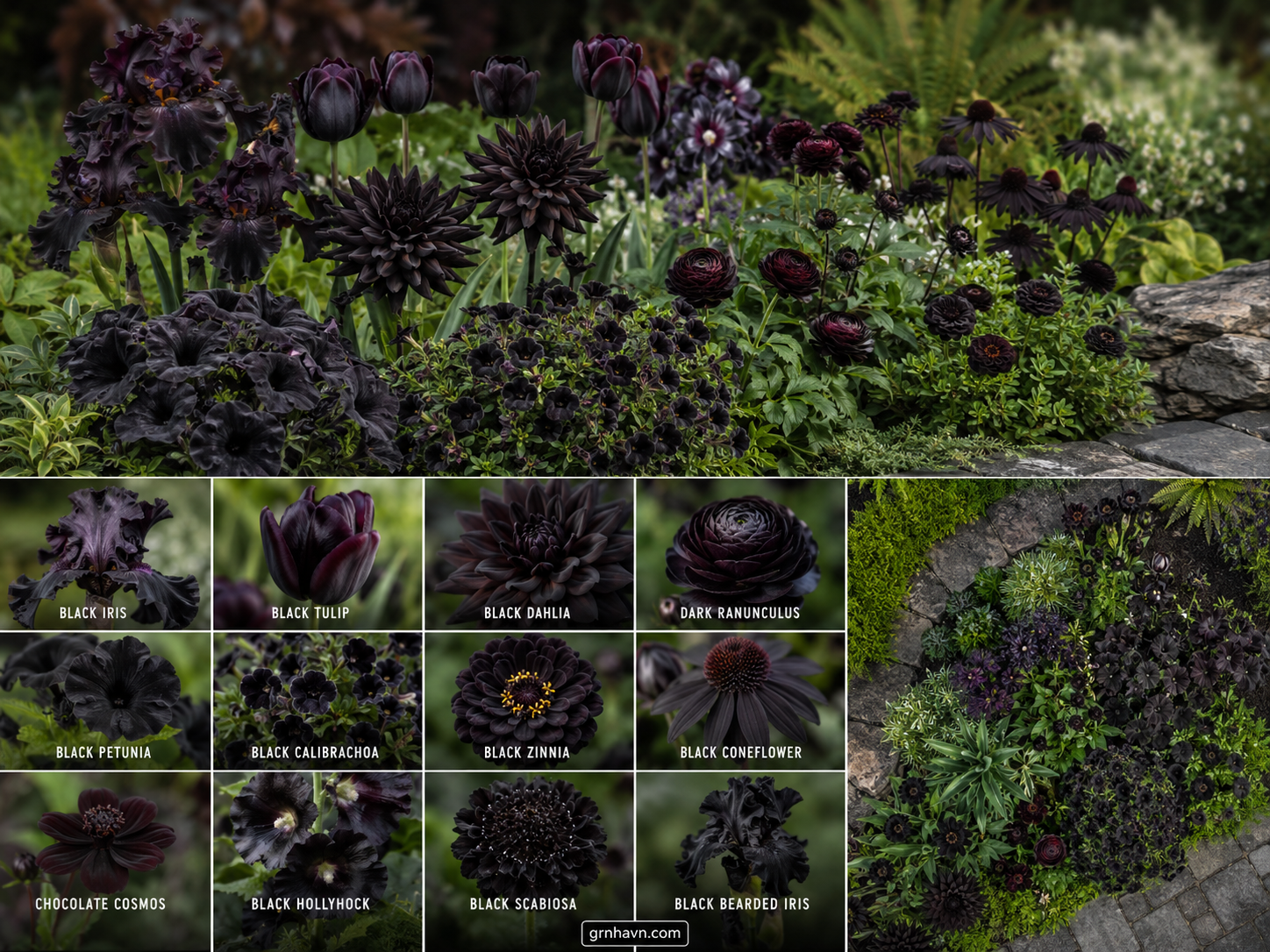
Best picks (12 varieties)
1) Black Dahlia (deep, dramatic tuber flower—often reads nearly black)
2) Black Magic Zinnia (rich, dark purple tones—great for bedding)
3) Black Prince Calibrachoa (container-ready near-black blooms)
4) Celosia ‘Twisted Black’ (velvety, dark foliage + flower texture)
5) Dark-leaved Petunia (near-black cultivars) (dark blooms plus foliage contrast)
6) Midnight Blue / very dark Blue varieties of Salvia (reads black-ish with bright light)
7) Maroon / deep purple Geranium varieties (steady color in containers)
8) Heirloom or deep-purple African lily (if available in your region) (bold vertical form)
9) Dark purple Coneflower (Echinacea cultivars) (strong summer look)
10) Deep plum Iris varieties (can look near-black when fully open)
11) Black Tulip / near-black Tulip cultivars (spring elegance; requires planning)
12) Dark purple Ranunculus (where hardy or grown as a tuber) (photo-worthy drama)
Best for beginners (low-maintenance picks)
If you’re new and want a reliable win, choose cultivars that are known for repeat blooming or easy container care. In my experience, the “black-ish flowers” that forgive beginner mistakes tend to be: zinnias, calibrachoa, and several dark petunias—because they handle typical garden rhythms. For indoor dark flower varieties, focus on plants that tolerate bright windows without constant fuss.
Before buying, quickly check the label for sun needs and mature height. A plant that wants full sun will rarely look ink-black in deep shade, no matter how special the cultivar is. That’s the kind of honest guidance that saves money and prevents heartbreak.
How To Make “Black” Flowers Look Even Darker
If you want naturally dark blooms that look truly close to black, stop chasing “darker fertilizer” and start managing three variables: light, drainage/soil conditions, and watering consistency. I’ve seen this pattern again and again in my own beds: when the plant is healthy and not overfed, the pigments can do their job.
Light, soil, and watering tips
Full sun vs partial shade: full sun usually intensifies anthocyanin expression. Partial shade may still produce deep tones, but the “black” read often becomes maroon or purple. If you’re in a hotter US summer or warmer EU summers, provide a little afternoon relief where needed—consistent brightness is the goal, not heat stress.
Soil: aim for drainage first. Too much water or heavy compaction can lead to paler, weaker blooms. Organic matter helps, but don’t turn everything into a lush nitrogen buffet—those gorgeous leaves can grow at the expense of bloom color intensity. Soil pH can influence pigment expression, so if you can test, it’s worth it.
Watering: consistency matters. Sudden drying and then overwatering can stress plants and change how pigments develop. Deeply water, then let the top layer dry slightly before watering again—especially for containers.
Container vs in-ground outcomes
Containers give you more control: faster drying, easier adjustments, and the ability to move plants toward brighter angles of sun. In-ground beds offer stability and long-term soil structure, but you’ll have less immediate control when the weather swings. If your goal is maximum “black” readability, containers are often the cleaner path—just make sure you don’t let them cook in blazing heat without water checks.
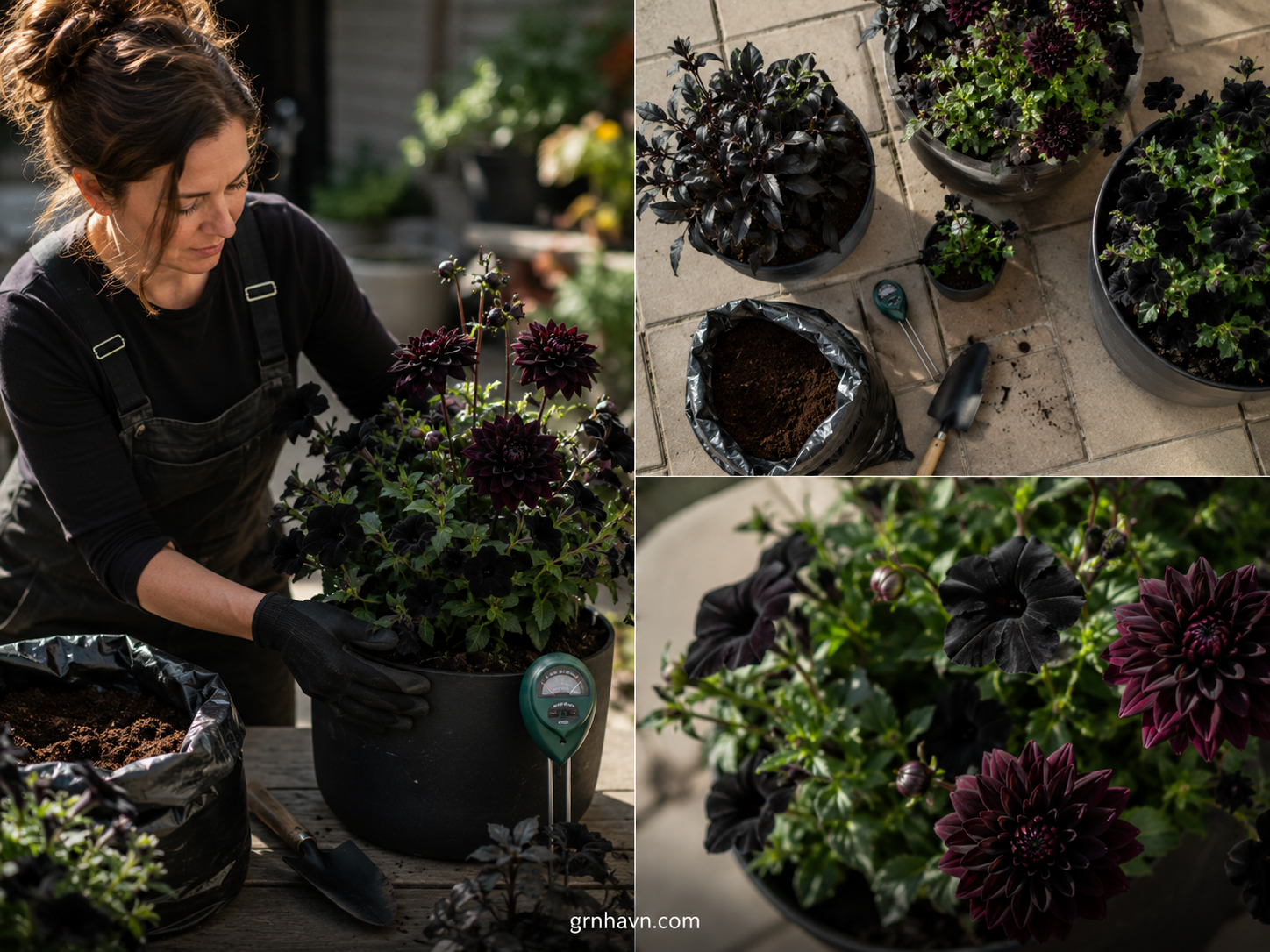
Most “black” flower disappointments start with one simple thing: the soil stays too wet. You can usually find a quality potting mix at your local garden center, nursery, or home improvement store—look for mixes marketed for containers with excellent drainage.
When choosing, prioritize a blend that includes structured components (like aeration ingredients) so roots breathe. If you’re growing in planters, avoid super-nitrogen-heavy mixes; you want healthy growth, not leafy overload.
For quick shopping, check Amazon or use the curated product comparison list below for hassle-free options of the right container potting mix for naturally black flowers.
Troubleshooting
If your black flowers aren’t looking as dark as you expected, we troubleshoot with curiosity—not frustration. Most issues fall into a few repeat patterns: wrong cultivar maturity, not enough sun, and nutrient imbalance. Once you identify the pattern, the fix is usually straightforward.
Why your blooms look lighter than expected
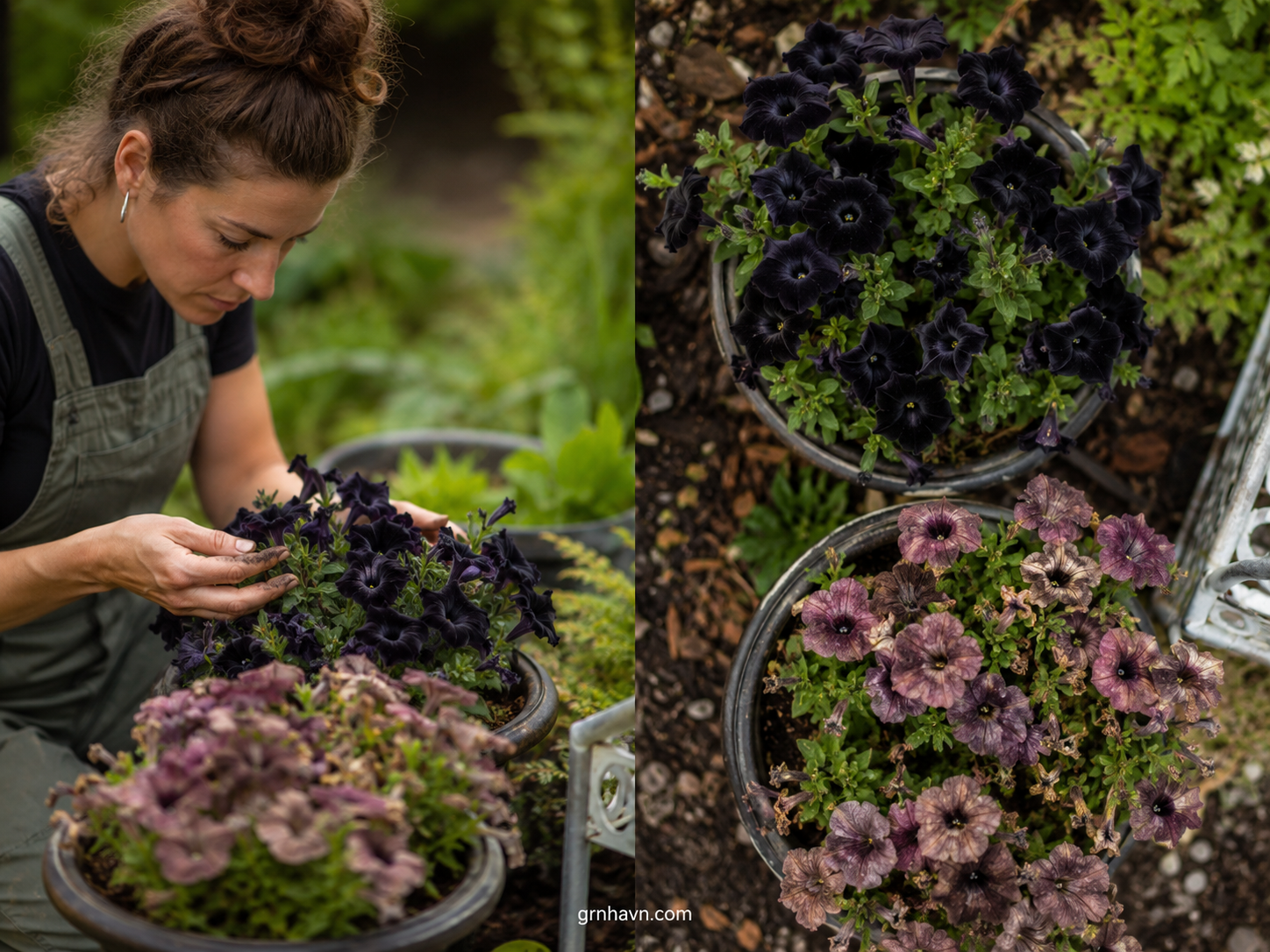
Wrong cultivar / maturity stage: some “ink” flowers only look truly dark at full maturity. If you pick or judge too early, you’ll see softer purple or maroon tones first. Give them time to open fully and settle into their final color.
Not enough sun: in shade, dark blooms often become noticeably lighter. If your plants are indoors, check window direction and hours of brightness. A relocation—even 2–3 feet—can matter more than any supplement.
Nutrient imbalance: too much nitrogen can push lush foliage while reducing bloom intensity. If your plant looks healthy but less “black,” reduce fertilizer frequency and focus on balanced nutrition.
Common pests and issues
Aphids and thrips can stress blooms and distort color perception. Fungal leaf spots show up when airflow is poor and conditions stay too damp. In my experience, the quick wins are: improve airflow, water at the base, and inspect regularly.
If heat stress causes wilting, pigments can look washed out. The fix is to keep watering consistent during warm spikes and provide light without scorching. Think “stable comfort,” not “panic water.”
Next Step
Here’s the part I love most: turning your inspiration into a simple plan. To help you buy confidently, I’d like you to choose using three filters: zone/climate (US USDA hardiness zones or EU frost logic), indoor vs outdoor, and your sun level.
What not to do: don’t overwater, don’t overfeed, and don’t prune late “just because it looks messy.” Many dark bloom varieties still need their natural rhythm—especially perennials and bulbs. If you plan around your frost timing, your plants will have time to build strong pigment-ready flower structures.
In the section below, you’ll find a printable checklist that helps you narrow down naturally black flowers without second-guessing.
Your next season’s “black” doesn’t have to be guessed. Use this checklist, match the plant to the light, and watch the near-black and black-purple tones deepen as the blooms mature.
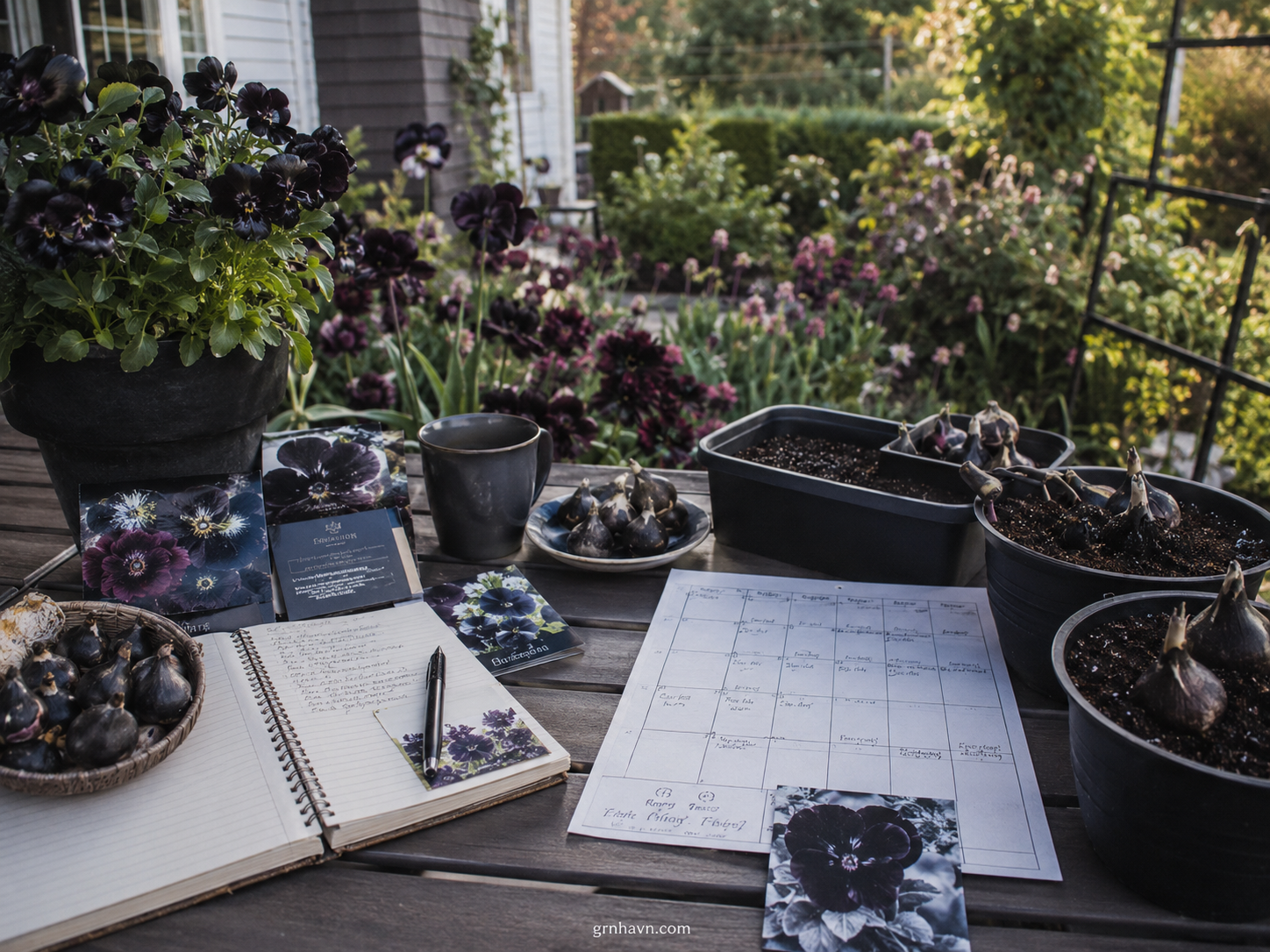
Printable Checklist: Naturally Black Flowers (No Dye)
Check these off before you buy or move your dark-flowered favorites. The goal: maximize black-purple readability with the right light, soil, and timing.
FAQ: Naturally Black Flowers
1. What flowers are naturally black?
Naturally black flowers are usually cultivars that show black-purple, deep maroon, or near-black blue tones. The look is real—but it’s driven by pigments (often anthocyanins) and how light hits mature blooms.
2. Are there truly black flowers in nature?
Truly black flowers are extremely rare. Most “black” blooms are so dark they appear black at a glance, especially in strong light or when the flowers are fully mature. The most convincing “black” happens when color meets contrast—dark petals plus solid background foliage.
3. Which flowers look black without dye?
Look for descriptions like midnight, ink, near-black, black magic, or very dark purple/blue varieties. In my garden experience, the cultivars that keep their drama without dyes are the ones that respond strongly to sunlight and maturity.
4. Do black flowers exist for indoor growing?
Yes—though most indoor-friendly “black” looks are near-black purples and deep maroons. Place them in bright light (bright window or grow lights) and keep watering consistent. When indoor plants don’t get enough brightness, anthocyanins don’t intensify the same way.
5. Are “black” flowers actually dark purple or deep maroon?
Often, yes. Black is typically a visual shortcut for very dark purple, plum, maroon, or deep blue. That’s why the same variety can look different from spring to summer—or in shade versus sun.
6. What are the best naturally dark flowers for home gardens in the US/EU?
The best picks are the varieties that match your climate and your light. In the US, you’ll align choices to USDA hardiness zones; in Europe, you’ll plan around frost and cold winter temperatures. For most homes, dark annuals for fast color and dark perennials for repeat blooms are your most reliable path.
7. Which naturally black flowers are easiest for beginners?
Beginners usually get the best success with container-friendly dark annuals and bedding types. Choose tough cultivars with good repeat performance and clear sun needs. My advice: start with one “black-ish” winner before building a whole themed bed.
8. Do black flowers bloom in summer only?
Not always. Some are summer stars (like many deep purple annuals), while bulbs can bring spring “ink” moments. The season depends on the plant type—perennial versus bulb versus annual—so plan by category.
9. How can I make dark blooms look more black in photos and in person?
In person: grow in stronger light and let flowers reach full maturity. For photos: use consistent background contrast (dark leaves or clean garden soil texture), avoid harsh glare, and shoot when blooms are fully open—usually mid-day or late afternoon depending on your sun angle.
10. What soil conditions help dark flowers look deeper?
Dark blooms love drainage and balanced nutrition. Overly wet soil can weaken plants; overly nitrogen-rich soil can push leafy growth and reduce bloom depth. If possible, test pH and tune slowly—don’t dump everything at once.
11. Do black flowers require full sun or partial shade?
Most look darkest in full sun, but some cultivars handle partial shade while still reading black-purple. The best rule is simple: follow the plant label, then adjust based on what you observe—color intensity is your feedback loop.
12. Can I grow black dahlia flowers indoors or do they need outdoor conditions?
Dahlia-type flowers are often happier outdoors for full season growth. Indoors can work if you have very bright light and a large enough container, but most beginners get stronger results outdoors. If you try indoors, treat it like a “bright-luxury” setup—not a low-light desk plant.
13. Are black flowers pollinator-friendly?
Many dark flowers are pollinator-friendly depending on the cultivar and flower structure. Color doesn’t automatically make a plant unfriendly—nectar and accessibility do. If you want pollinators, choose blooms with clear nectar access and avoid overly double varieties when possible.
14. Which naturally dark flowers are hardy in colder climates?
Look for hardy perennials and cultivars designed for your zone or cold tolerance. In colder regions, protect containers, consider mulch, and choose plants with documented hardiness. Your best strategy is to select by zone first, then let darkness be the bonus.
15. What are the most popular naturally black flower types to buy?
The most popular “black” categories include black dahlia-type tubers, deep purple annuals and bedding plants, near-black calibrachoa-style containers, and dark tulip/bulb cultivars. They’re popular because they’re dramatic, approachable, and responsive to light.