Where to Buy black flowers near me
How to Find the Real Dark Blooms (Not Just Dye)
If you’ve ever searched for “black flowers near me” and ended up with something that looks more like deep burgundy under warm lights… I get it. Let’s find the real near-black tones—what florists can actually source, what nurseries grow, and how to request the look so your bouquet (or garden) photographs beautifully.
“Real ‘black’ isn’t magic—it’s careful sourcing, the right cultivar names, and lighting-aware color.”
Searching black flowers near me is usually where the romance begins. You picture midnight petals, dramatic bouquets, and that cinematic “how is this so dark?” reaction from everyone at the table.
Here’s what I learned the hard way after helping friends and clients chase the same look for weddings, holiday tables, and moody spring gardens: most “black flowers” are actually deep purple, maroon, burgundy, or near-black blue. They can read as true black—especially in cooler daylight and camera flash— but the exact shade matters. And dye? Dye can happen, too.
In this guide, I’ll walk you through where florists, nurseries, and seasonal sources usually get true dark-leaning blooms (US + EU), how to ask for them without sounding like you want something impossible, and what to consider when you’re buying for timing-sensitive events.
My promise (the “best-friend” version)
By the time you finish this post, you’ll know what to request, where to look first, and how to choose options that look natural—whether you’re building a bouquet in your city or planting near-black drama in your own yard.
Before you start calling florists, I want you to feel confident: “black” is a style request, not a guarantee. When you match the right language (near-black, midnight, deep maroon/burgundy, dye vs naturally dark), you’ll get results that look intentional—not accidental.
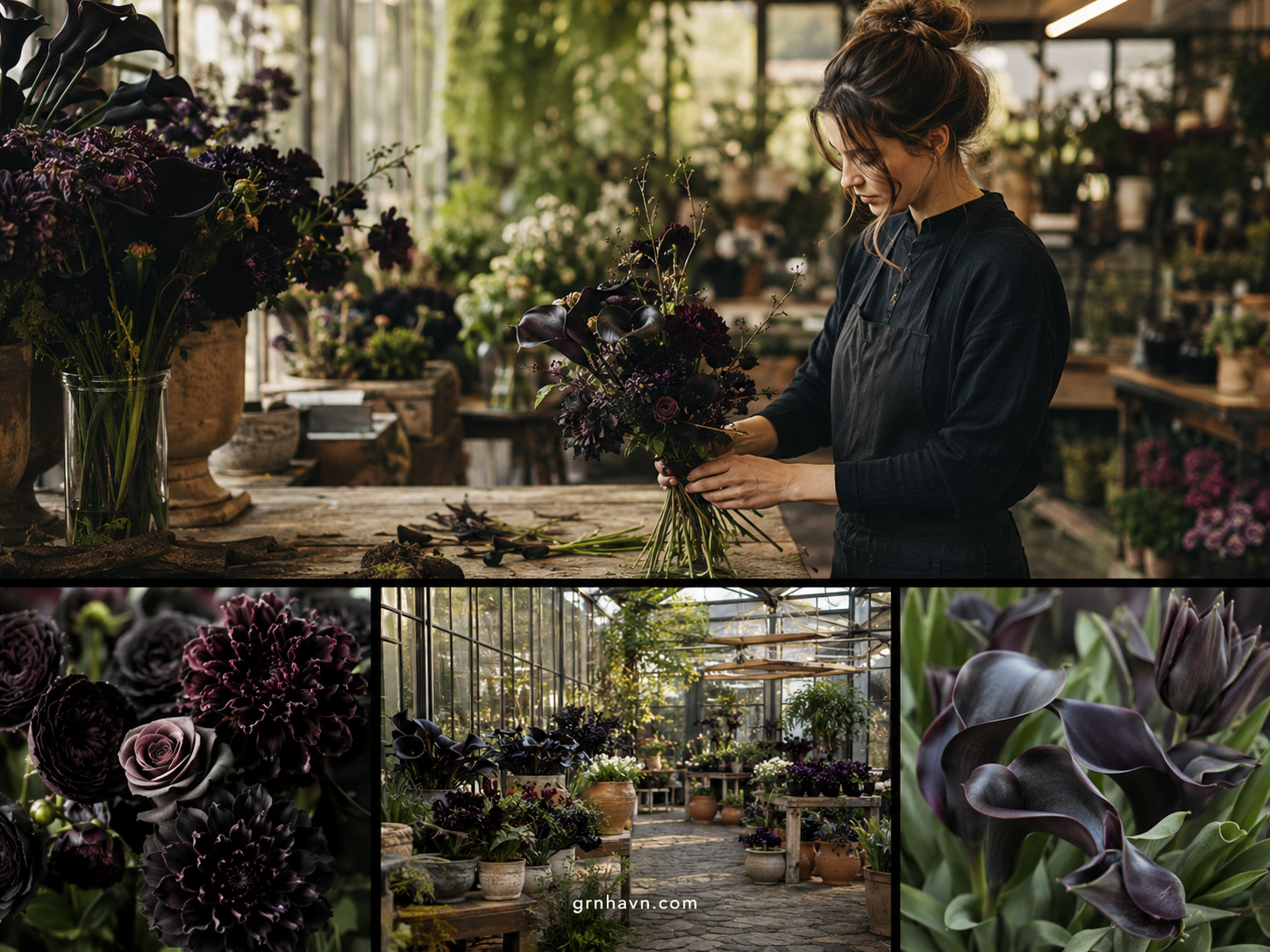
Are Black Flowers Always Dyed Or Are There Real Near-Black Blooms?
This is the question I get most often, right after someone says: “I found black flowers online… but are they really black?” The kindest, most honest answer is: almost never true jet-black. What you’re usually seeing is naturally very dark pigment that reads as black in photos and low light.
“When the color is deep enough, your brain does the rest—especially through camera glass.”
Naturally dark vs dyed black flowers
In real life, “black” tends to fall into two camps:
- Naturally dark (“near-black”): deep purple, burgundy, maroon, dark blue—often stunning in daylight but reveal their true tones up close.
- Dyed or color-treated: sometimes used for dramatic uniformity. The look can be gorgeous, but the shade may shift under warm lighting.
Case study moment: a friend ordered “black roses” for a winter dinner. In the shop, they looked almost inky. By the time they arrived at home, the petals leaned slightly red under warm candlelight. We still loved them— but she realized the photos she’d seen were taken in cooler settings. That’s why I always recommend asking for natural-looking dark varieties unless you specifically want dye.
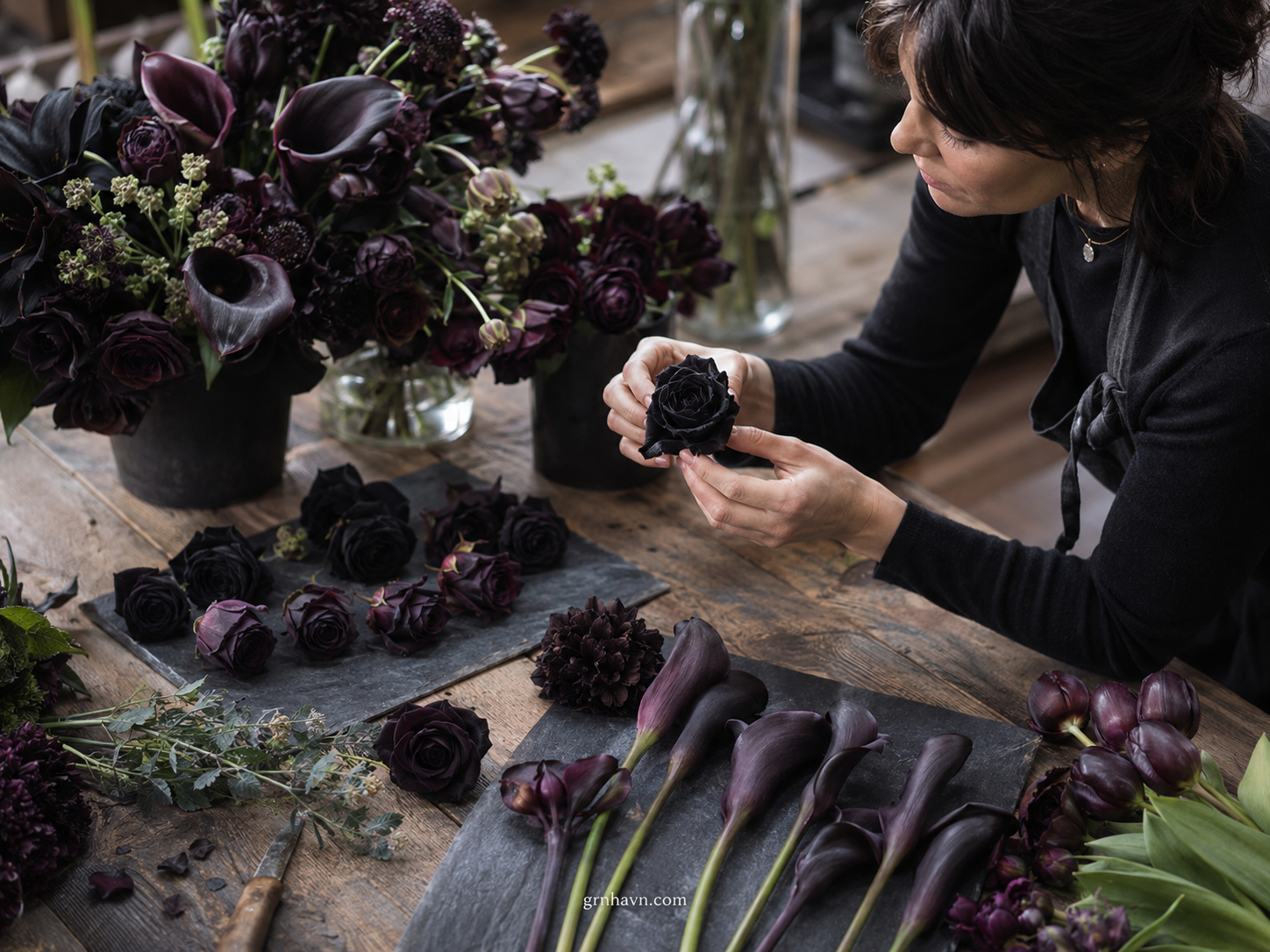
“You’re not failing—you’re learning the language of color.”
Opinion from my garden bench: the “best black flowers” aren’t the ones that promise the impossible. They’re the ones that give you consistent depth, natural variation, and a shade that stays flattering from daylight to evening.
Where To Buy Black Flowers (Us/Eu Options)
Let’s talk real-world sourcing. “Where can I buy black flowers” depends on whether you want cut flowers for bouquets or plants for planting. Cut flowers are about supply chains and seasonal windows. Planting is about climate logic—US USDA hardiness zones or your region’s frost/temperature patterns in Europe.
“The right supplier isn’t about luck—it’s about knowing what each shop is actually stocked to do.”
Local florists
Local florists are your best bet for black flowers for bouquets because they can: confirm availability, combine textures (so the “black” reads richer), and swap varieties if the shade won’t photograph well. When you call, ask for “near-black” tones in specific flower types (not only “black roses”).
Garden centers & nurseries
If you’re planting, nurseries are where the magic lives long-term. Look for cultivars described as dark, near-black, or very deep. Then match them to your environment: US: check USDA hardiness zones on the plant label and keep frost expectations in mind. EU: use your frost dates and typical winter lows (°C) to avoid disappointment—some “dark” cultivars simply won’t survive your cold snaps.
Farmers markets / seasonal sources
Farmers markets can surprise you—especially in peak cut-flower seasons. The blooms won’t be “guaranteed black,” but you can often find deep burgundy dahlias, dark-toned tulips, or near-black seasonal candidates. Pro move: ask what’s being cut this week and whether they have any very dark varieties in the palette.
Online delivery
Online ordering works best when you’re buying for events and need speed. Choose retailers that: show deep-tone options clearly, offer substitution transparency, and—ideally—describe whether the look is naturally dark vs treated. If you’re ordering for a wedding, ask about batch timing and delivery conditions (heat packing, cool storage, etc.).
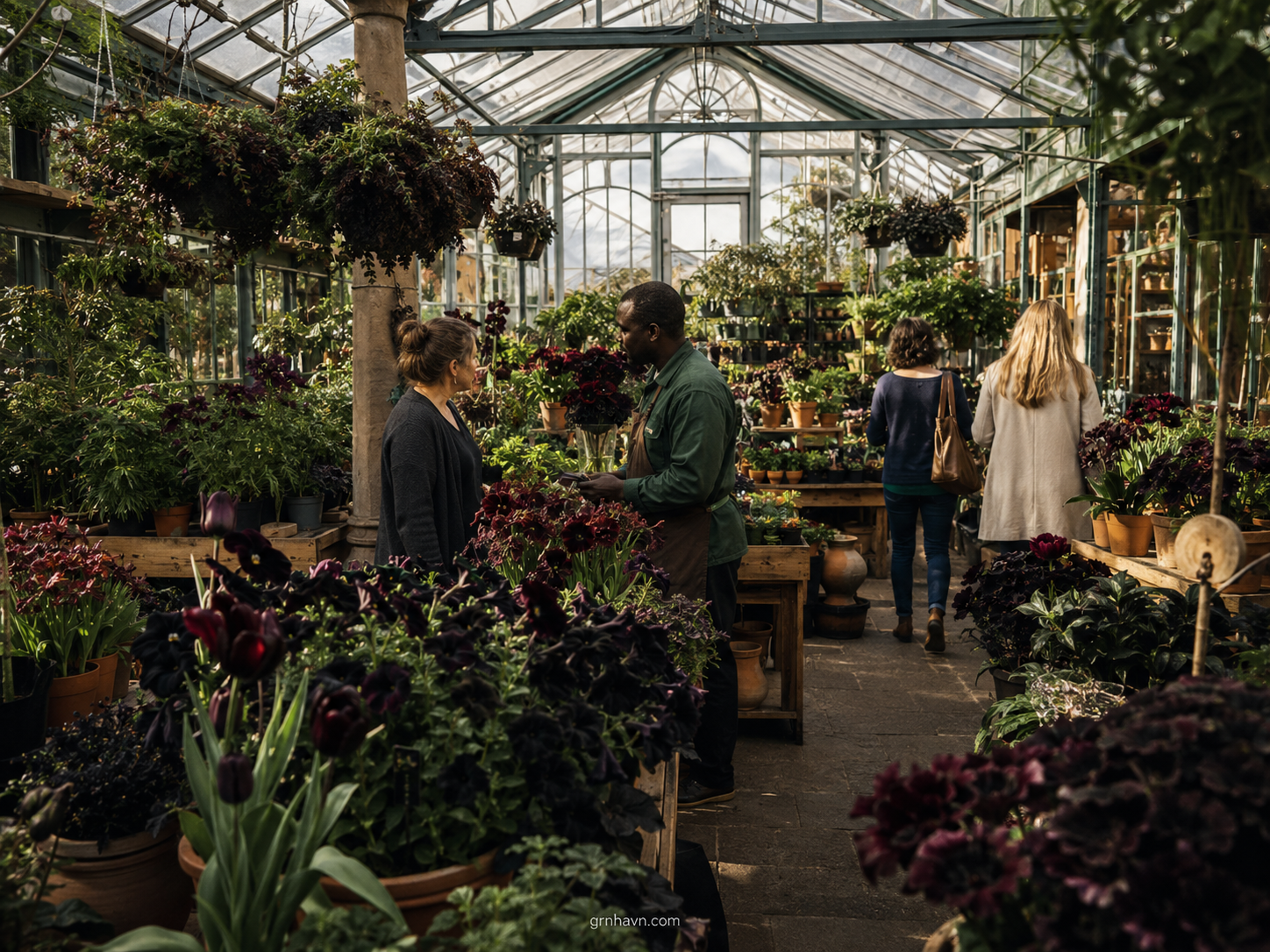
For many people searching where can i buy black flowers, the fastest “local-online hybrid” path is buying from a reputable online cut-flower marketplace with delivery options in your area—then coordinating substitutions with a florist/design studio if needed.
Beginner-friendly buying tip: prioritize listings that describe deep purple / burgundy / near-black tones, and avoid vague “true black” promises. If the listing includes notes about natural color variation (or dye/treatment), that transparency usually leads to better real-world results.
If you want a quick way to shop comparisons, use the curated online options below to match the darkest looks and filter by delivery timing.
“Local sourcing isn’t just faster—it’s how you control the shade you end up with.”
One last opinion: if you’re in Europe, EU florist alternatives often work similarly to the US—ask for cultivar shade language, then verify delivery timing against your local season. In both regions, “black” is a palette, not a color stamp.
What To Ask For At A Florist
The truth: florists don’t mind “black” requests—they mind unclear requests. If you describe the look in human language (midnight, near-black, deep maroon/purple tones), you give them something they can source and design around.
“You’re not asking for a miracle. You’re asking for a palette.”
Sample phrases and color descriptions
Try these—copy/paste into a call or message:
- “I’m looking for near-black / midnight tones—deep purple or burgundy that reads black in photos.”
- “Do you have any naturally dark varieties, or is this achieved through dye?”
- “Can you build the bouquet with texture contrast so the dark blooms don’t look flat?”
- “What options do you have in calla lilies, roses, dahlias, or tulips in very dark shades?”
Mini case study: I once designed a moody bouquet where the client loved the first sample, but it photographed slightly brighter than expected. We solved it by adding charcoal-toned or silvered foliage and choosing blooms described as deep purple-maroon. The “blackness” wasn’t just in the petals—it was in the surrounding greens and shadows.
Alternatives if “true black” isn’t available
If a florist can’t source a specific “black” bloom, ask for these close substitutes:
- Deep purple + dark burgundy (reads near-black in most lighting)
- Black-centered flowers (dark cores make the whole bouquet feel richer)
- Very dark foliage + blooms (charcoal, deep green, purple-leaning leaves)
- Monochrome gradients (start deep, end slightly softer—more believable and elegant)
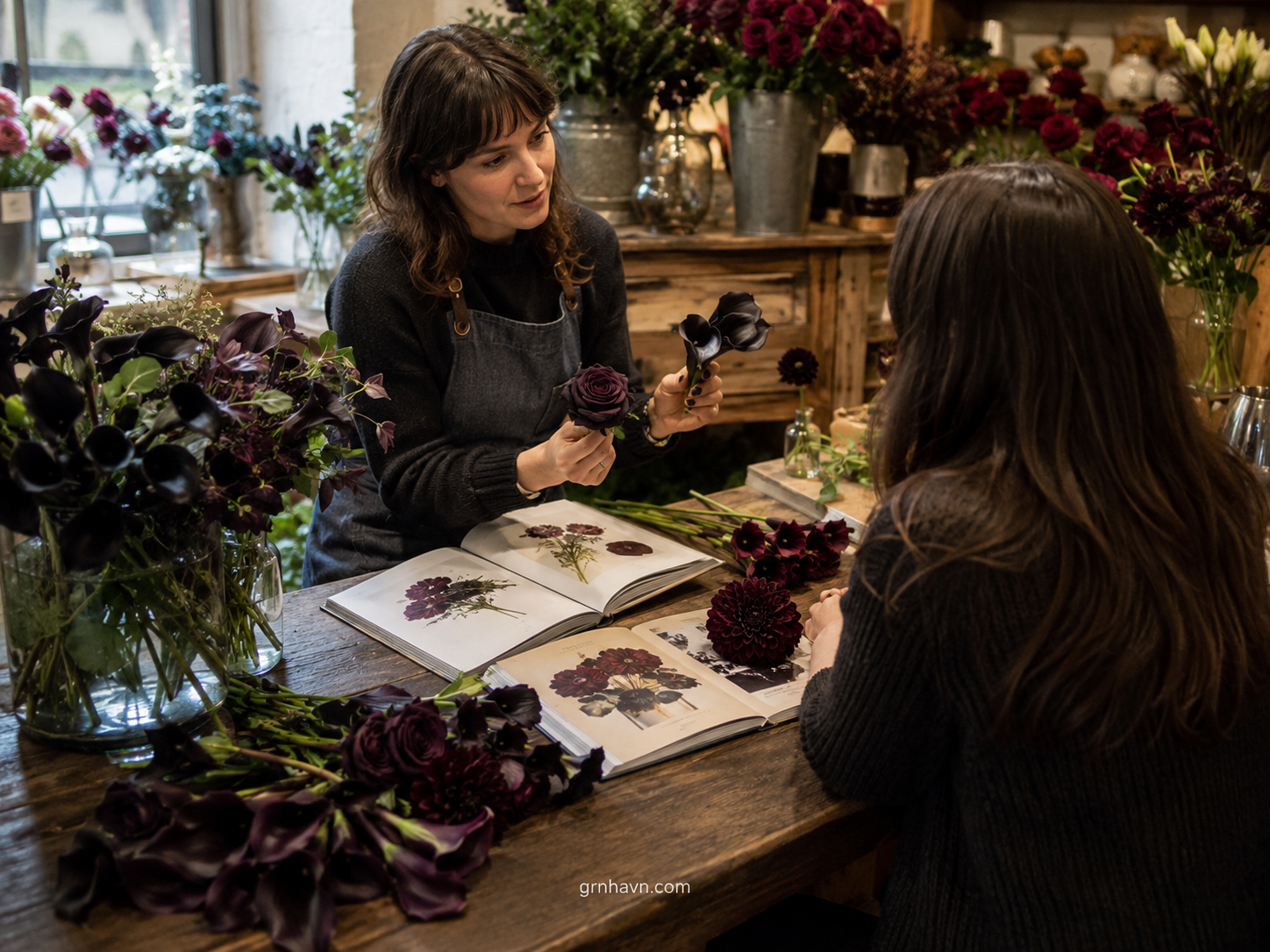
“Design fixes what color alone can’t.”
My honest opinion: if someone promises “true black” without explaining shade source (cultivar vs dye), ask follow-up questions. A transparent florist will show you alternatives that still feel intentional.
Buying For Weddings, Holidays, And Events
Event flowers are where timing matters most. Black-leaning blooms are often niche varieties, so the supply window can be tighter. That doesn’t mean you can’t get them—it means you should plan like a designer, not like a gambler.
“The most beautiful bouquets are planned before they’re even ordered.”
How early to order
For weddings and big dates, start early: 2–6 weeks before the event is a safe baseline in many markets, and more in peak seasons. Use climate logic too:
- US: align with your local spring/fall windows using frost-date logic. If you’re planting, ensure the blooms match your USDA hardiness zone and your first/last frost dates (in °F and °C).
- Europe: think in terms of regional cold spells and frost timing; some “near-black” perennials are dependable only when winter lows stay within their tolerance.
Budget expectations
Black-leaning cultivars can cost more because they’re specialized and sometimes shorter in seasonal availability. The good news: a florist can stretch the look using strategic texture—so you spend more efficiently.
My opinionated advice: budget for at least one contingency. If your first-choice stem isn’t available, you want substitutions that keep the bouquet within the same deep tone family.
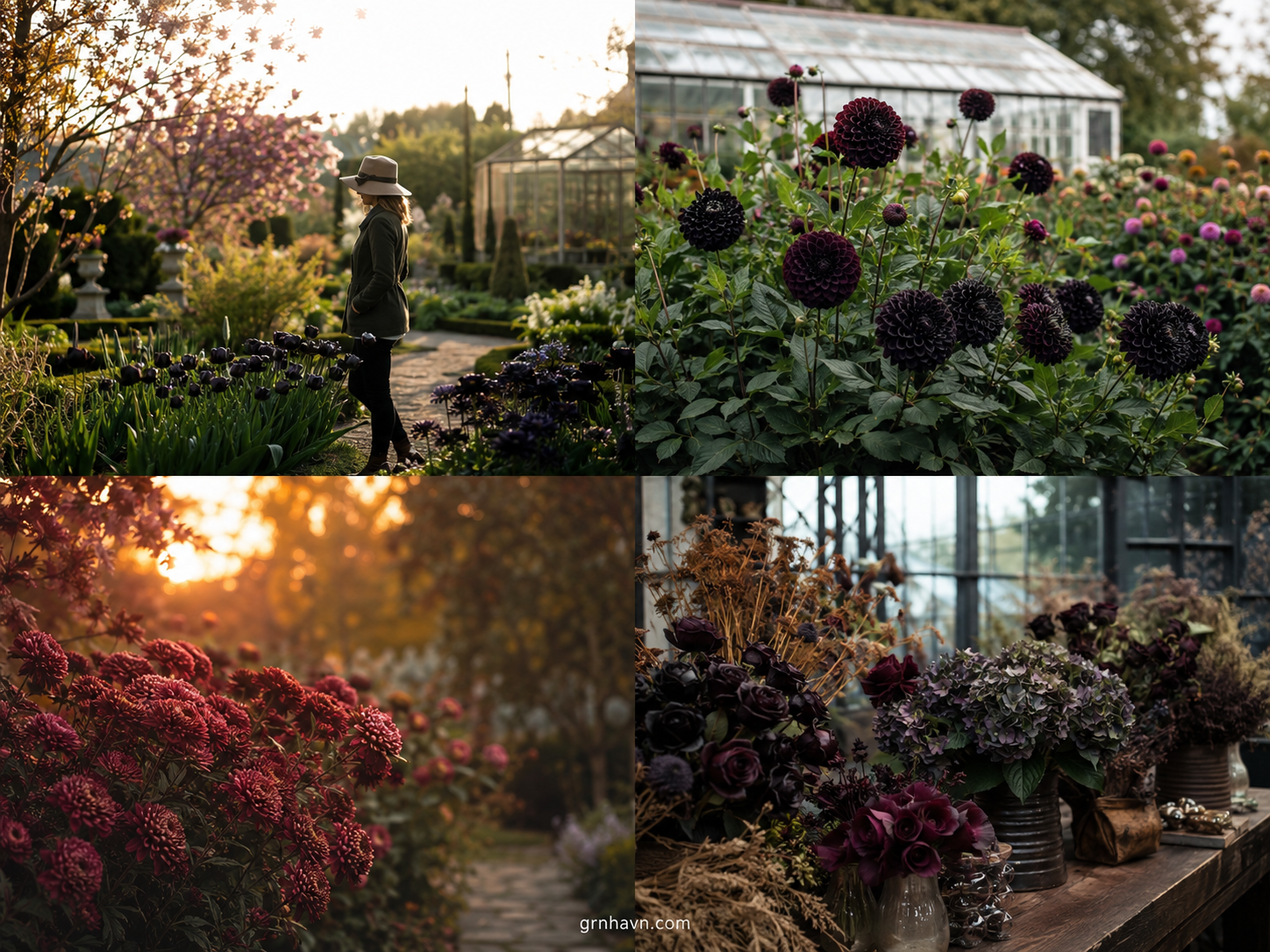
“If you plan for substitutions, you eliminate stress—quietly.”
Seasonal availability tip: ask what’s “currently dark” in their supply chain, not just what’s “listed as black.” That’s how you get consistent results, especially if your date falls in a tricky shoulder season.
Best Black Flowers For Bouquets Vs Planting
Here’s the part where we match your goal to the right plant or stem. Bouquets want “camera drama.” Gardens want long-term reliability. The best “black flowers” are the ones that perform in your exact context.
“Choose for behavior, not just color—then the shade will look even better.”
Bouquet picks
For black flowers for bouquets, look for blooms that naturally carry deep pigment or dramatic contrast:
- Calla lilies: often the quickest route to “midnight” drama.
- Roses: in deep burgundy/maroon tones; many read near-black indoors.
- Dahlias: deep-colored varieties with dark centers can feel inky in arrangements.
- Tulips / orchids: can deliver dark-toned elegance, depending on seasonal availability.
Opinion: if your bouquet is photographed, design with dark blooms plus a contrasting foliage plan. That’s what makes near-black read rich instead of flat.
Indoor/outdoor planting picks
For planting, focus on cultivars that fit your climate: US: confirm USDA hardiness zone suitability (USDA zones). Europe: use frost-date and winter-low reasoning (°C).
- Hellebores (winter/spring garden star): some cultivars carry very dark tones.
- Dark-toned perennials and shrubs: look for cultivar descriptions like near-black, very dark, or deep maroon foliage.
- Planting containers: helps control temperature swings for borderline varieties.
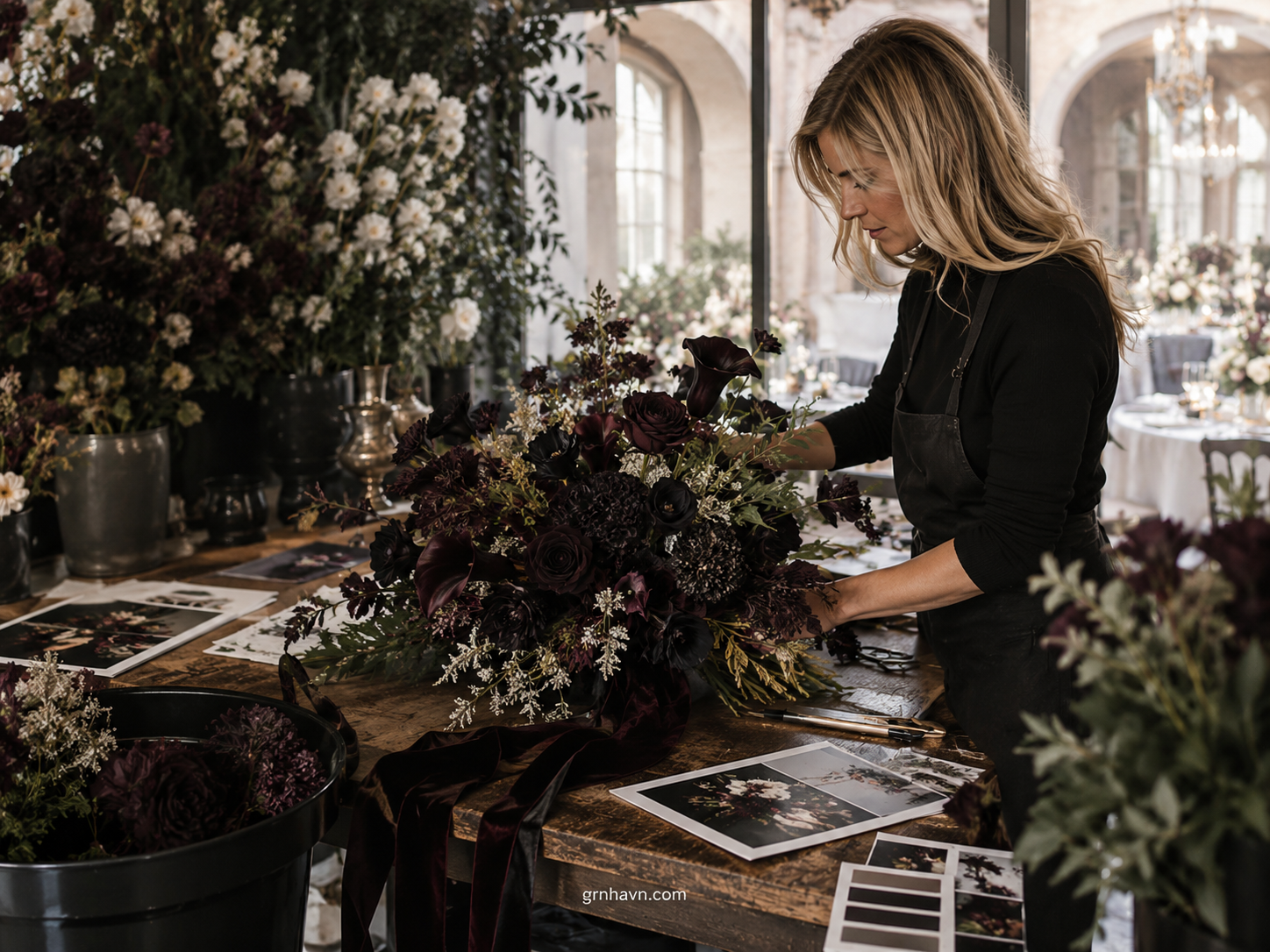
“A garden doesn’t need ‘true black’—it needs deep contrast and honest growing conditions.”
Seasonal availability note: cut flowers may be brief, but plants can give you the same mood for years. If you’re chasing “black” long-term, planting is the quiet upgrade.
Transport + Freshness Tips
Transport is where good flowers can lose their “blackness.” Dark petals are often more sensitive to heat and dehydration than you’d expect—especially if they’re very richly pigmented.
“Keep them cool, keep them hydrated, and the color stays deeper.”
Handling dyed vs natural-looking stems
Whether your “black” is naturally dark or dyed, treat the stems with care—but here’s the nuance:
- Dyed color-treated stems: watch for uneven tone shifts under warm lighting. Avoid leaving them in direct sun after delivery.
- Naturally dark stems: color usually reveals deeper pigment in cooler conditions—still avoid heat spikes.
Practical freshness checklist:
- Re-cut stems at a slight angle (when appropriate)
- Use clean water and flower food if provided
- Keep bouquets away from radiators and sunny windows during transit
- Handle petals gently—dark blooms can show bruising more easily
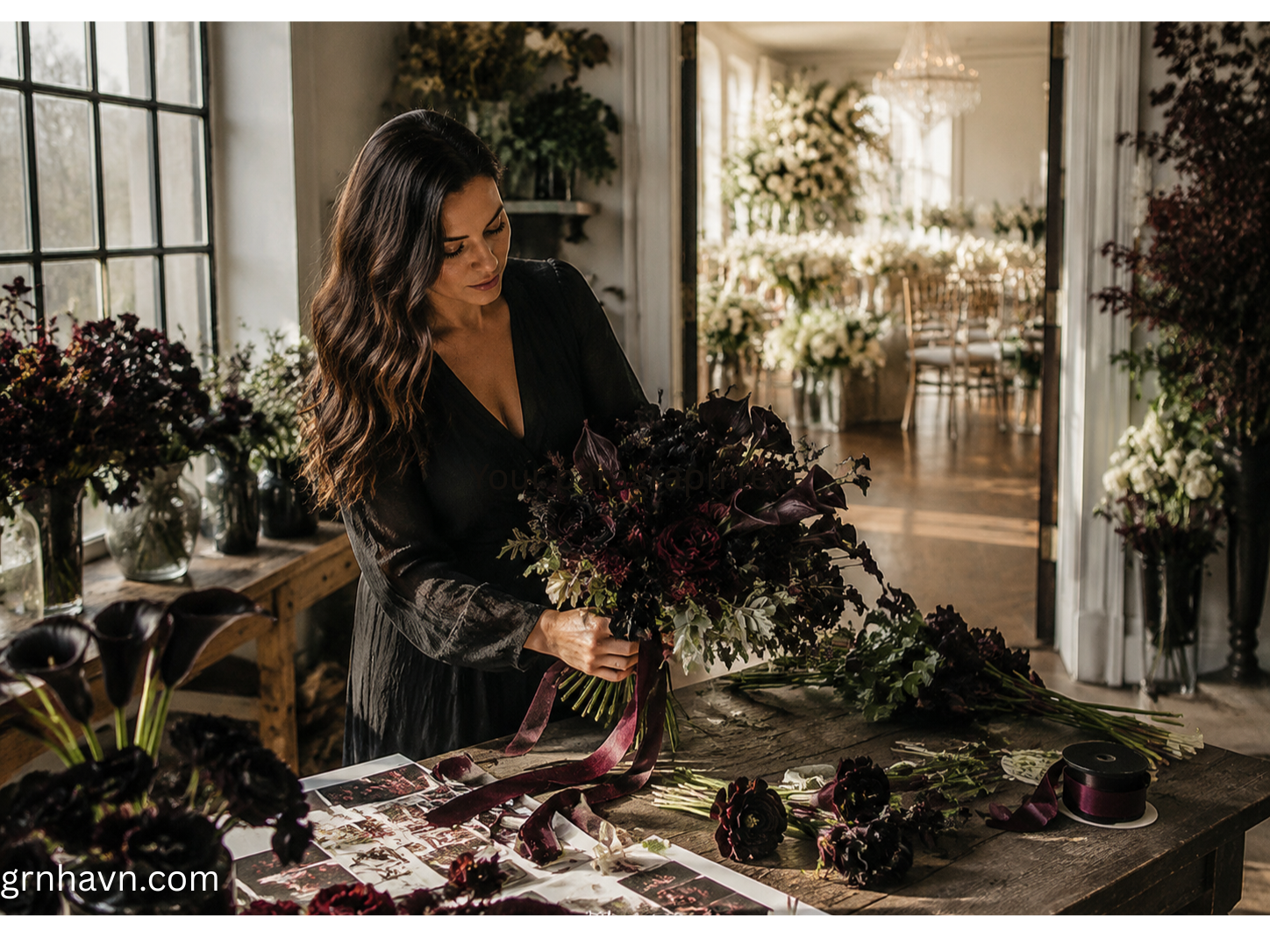
“Color is a living thing—even after it’s cut.”
Honest opinion: if you’re traveling more than ~30–45 minutes, plan cooler storage and protect blooms from temperature swings. Your future photos will thank you.
Next Step
You don’t need to memorize every “black flower” name to succeed. You need a simple plan that matches availability, climate (for planting), and the look you want in real life.
“Bring clarity to the conversation—then the flowers follow.”
Choose your varieties using the black flower names guide
Use a cultivar-focused approach: pick 2–3 candidate stem types (for example: calla, rose, dahlia), then confirm near-black shades rather than expecting “true black.” For planting, choose varieties that survive your climate: in the US, align with your USDA hardiness zone; in Europe, align with your frost pattern and winter temperatures (°C).
When you shop, you’ll sound confident and specific: “I’m aiming for midnight depth—deep purple/burgundy that reads black in photos.” Then ask what’s currently in stock that matches that palette.
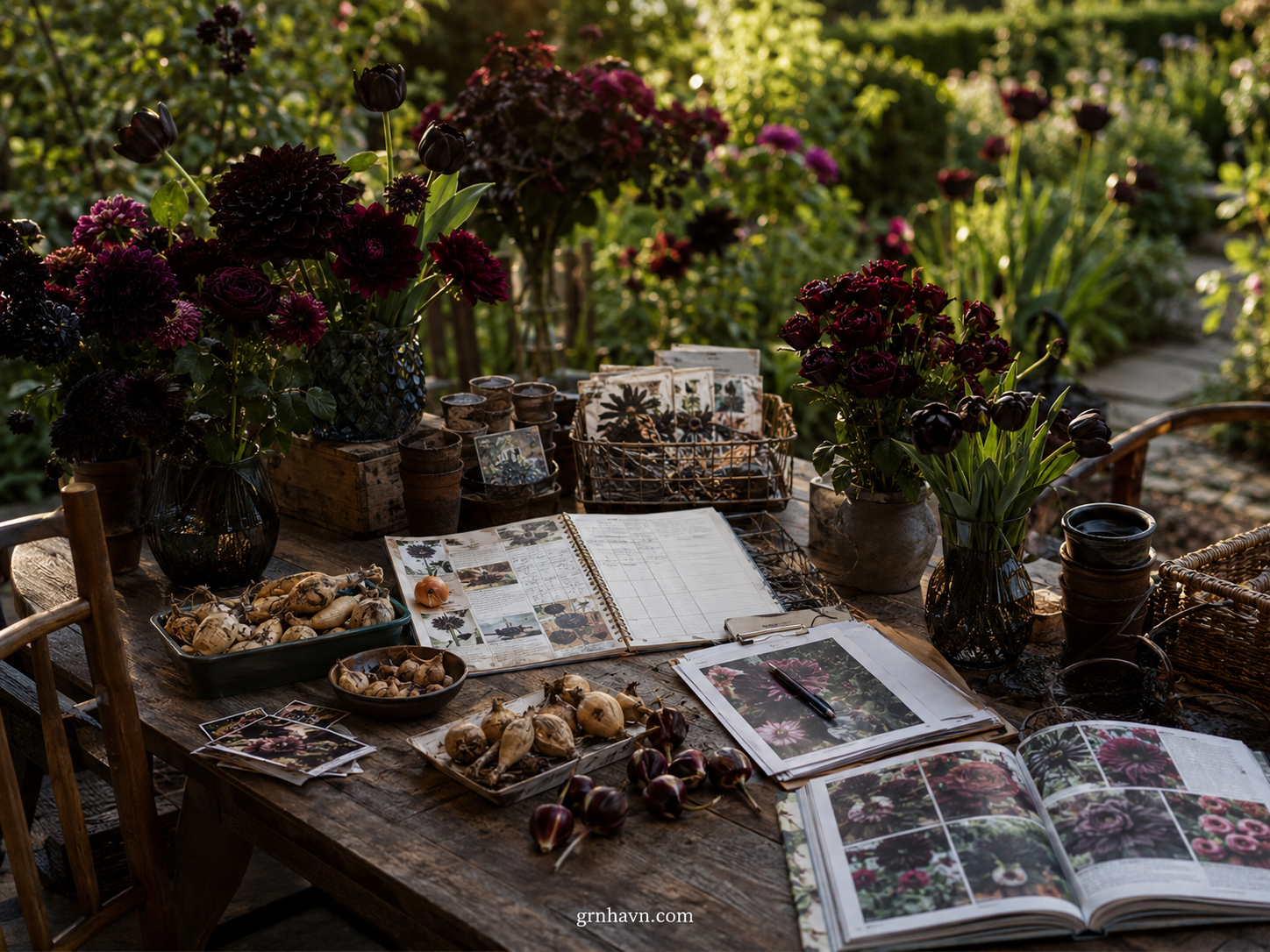
“It’s not about searching harder. It’s about asking better.”
Finishing your planning: decide if your priority is bouquet drama or garden longevity, then follow the printable checklist below. It’s designed so you can take it with you—call, compare, and choose.
Final verdict
If you only take one thing with you, let it be this: black flowers near me is a starting point, not an endpoint. The “real dark blooms” live in near-black cultivars, deep pigment palettes, and a design strategy that respects how lighting changes color. When you ask about natural darkness vs dye, confirm seasonal availability, and plan timing like an event designer (or climate planner), you get results that feel luxurious and believable.
What Not to Do (Common Mistakes)
- Assuming “black” means dye: ask for near-black sources and verify tone behavior.
- Ordering too late for events: niche varieties need lead time and substitution planning.
- Overwatering planted “black” blooms: dark-toned ornamentals can bruise or rot if the soil stays soggy.
- Late pruning: some flowering plants set buds earlier than you think—prune at the right season for your region.
- Skipping climate checks: in the US, confirm USDA zones; in Europe, follow frost/temperature logic.
FAQ
Where can I buy black flowers near me?
Start with your local florist for bouquet work, then check garden centers and nurseries for planting candidates. For fast options, explore online delivery—but prioritize near-black descriptions rather than vague “true black” promises.
Do local florists carry real black flowers or dark dyed flowers?
Many florists source naturally very dark cultivars (deep purple/burgundy) that read as black in photos. Dye can happen, but the best shops will tell you whether the look is natural darkness or treated for uniformity.
How do I ask for black flowers correctly at a florist?
Use shade language: “near-black / midnight” and “deep purple or burgundy that reads black.” Ask specifically whether it’s naturally dark or dyed, and request options that photograph well in your lighting.
Are black roses available year-round in the US/EU?
Availability depends on season and local supply chains. In many markets, you can find deep-toned roses around parts of the year, but “black” cultivars may be limited. Ask about what’s in-stock weekly and what substitute shades look the closest.
What’s the difference between naturally dark flowers and dyed “black” flowers?
Naturally dark blooms show depth and tonal variation that reveals deep purple/maroon in close-up. Dyed blooms may look more uniform, but the shade can shift in warm lighting. Always ask what you’re getting.
Can I buy black flowers online and have them delivered?
Yes. Online delivery is great for speed, but choose retailers that provide clear descriptions of deep tones. For events, confirm delivery timing, temperature handling, and substitution policies.
How far in advance should I order black flowers for weddings?
Aim for 2–6 weeks, especially if you’re chasing specific “black” varieties. The earlier you order, the more options you’ll have for near-black substitutes that still match your palette.
What are the best seasons to find black or near-black blooms?
It varies by region and flower type. Bulbs and certain cut flowers peak in specific windows, while darker garden blooms follow winter/spring or late-season cycles. Ask your suppliers what’s currently available in your week, then plan around it.
Do black flowers stay fresh as long as other flowers?
Many deep-toned stems behave similarly to other cut flowers, but freshness depends on variety and transport conditions. Keep them cool, hydrated, and away from heat/sun for the best results.
What should I request if I want naturally black-looking flowers?
Request “near-black / midnight tones” and ask for naturally dark cultivars in deep purple, burgundy, or near-black blue. Mention that you want a natural look that still reads black in your lighting.
Can I get black dahlias through nurseries or garden centers?
Often you’ll find deep-toned dahlia varieties via bulbs/tubers in the season, either through nurseries or online. Confirm local climate fit—dahlias are sensitive to frost and require appropriate timing.
Are black locust flowers available as a cut flower or only for planting?
Black locust is typically grown for planting and landscape interest rather than sold as a common cut flower. If you want the look, you’ll usually find it as a plant, not a florist stem.
What are good alternatives if black flowers are out of stock?
Switch within the palette: deep purple, dark maroon/burgundy, black-centered blooms, and charcoal/dark foliage. A florist can redesign the bouquet so the mood stays intact even without your first-choice stem.
How do I store/prepare black flowers to keep color deep?
Treat them like premium cut flowers: recut stems where appropriate, use clean water/flower food, and keep them cool. Avoid warm sunny rooms and long delays between delivery and hydration.
Are black flowers more expensive than standard varieties?
Often, yes—dark cultivars can be niche and have shorter supply windows. You can still manage cost by choosing the deepest blooms as anchors and building the rest with complementary texture and foliage.
Final Printable Checklist
Take this with you when you call florists, check inventory, or plan planting. It’s built to reduce guesswork.
Your “Near-Black” Shopping + Planting Check
- Confirm the look: ask for near-black / midnight tones (deep purple/burgundy) that read black.
- Ask dye vs natural: “Are these naturally dark cultivars or dyed/treatment?”
- Choose your format: cut bouquet vs planting—then buy from the right supplier type.
- Check availability window: ask what’s in-stock this week/this season (seasonal availability matters).
- Plan for events: order 2–6 weeks ahead; request substitutions that keep the same deep palette.
- If planting (US/EU): match your climate—US USDA hardiness zones and Europe frost/temperature logic (°C/°F).
- Transport rules: keep blooms cool, hydrated, and away from heat/sun during delivery.
- Freshness prep: re-cut (if appropriate), use clean water/flower food, and handle petals gently.
- Styling trick: pair dark flowers with charcoal/silver/neutral or contrasting foliage for depth.
- Avoid common mistakes: don’t assume “black” equals dye; don’t prune late; don’t overwater.
Tip: if your flowers look lighter in warm indoor lighting, it usually means the shade needs either cooler placement or palette adjustments (foliage + contrast).