Olive Tree Facts: How It Looks, Grows & What It Symbolizes
“An olive tree doesn’t just grow… it teaches you how to wait with hope.”
what does an olive tree look like—really? Not the textbook version, but the moment you spot one and feel that calm “Mediterranean” presence: the silvery leaves, the twisting trunk, the way the whole plant looks both ancient and beautifully alive.
I’m here to walk you through the facts and the feeling—how to grow an olive tree, how to care for an olive tree without guesswork, and how to decide whether an indoor olive tree can be your best indoor green companion.
Along the way, I’ll share practical experience, common mistakes I’ve seen (hello, overwatering), and what the olive tree represents in the Bible—so your plant feels meaningful, not just decorative.
Here’s what you’ll be able to do by the end
- Identify an olive tree by look (leaves, bark, shape, fruit cues)
- Plan how to grow an olive tree using sun + drainage + frost-date timing
- Answer: can you grow an olive tree indoors (and what it needs to actually thrive)
- Understand what does the olive tree represent in the bible and why that symbolism lasts
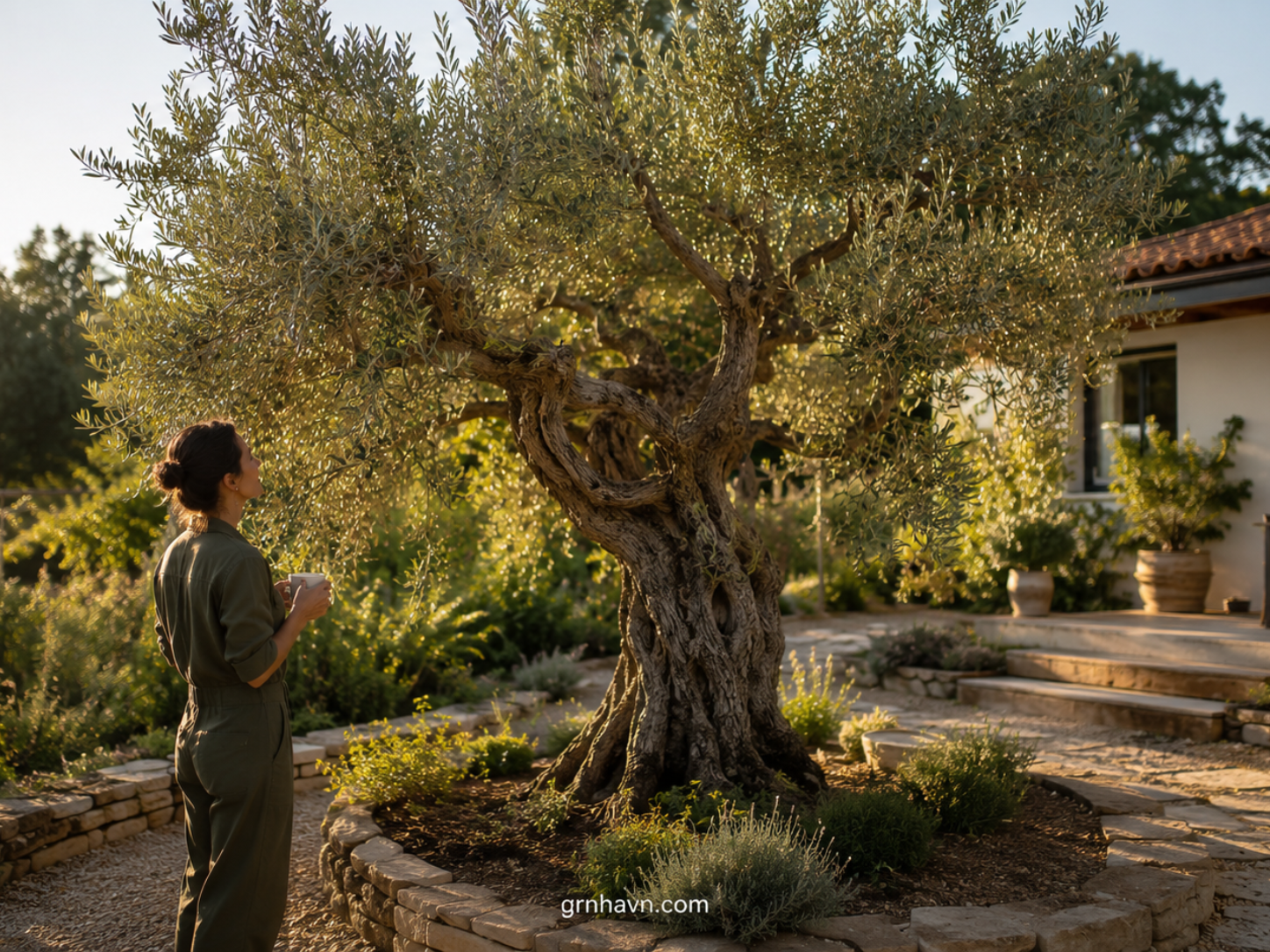
What Does an Olive Tree Look Like—and Why It Feels So “Timeless”?
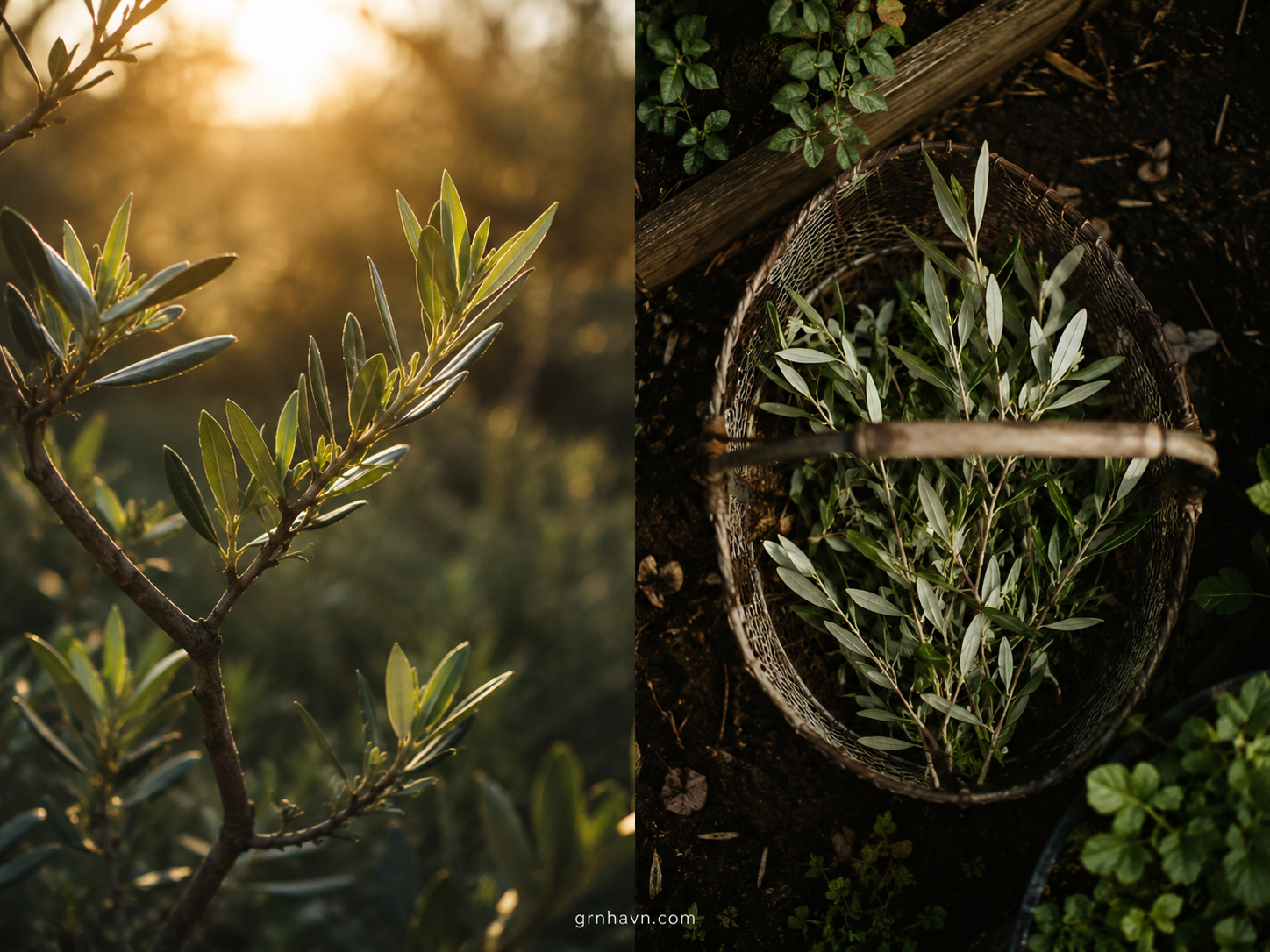
The first time you see an olive tree up close, it’s rarely “wow, flashy!” It’s more like quiet recognition. Those narrow, tough leaves—gray-green on top with a silvery underside—catch light the way weathered stone catches sun. Even the trunk can look like a sculpture: gnarled, twisted, and full of age.
If you’re wondering what does an olive tree look like in real life, focus on three tells:
- Silvery undersides that look almost softly metallic from the right angle.
- Narrow, leathery leaves that feel built for dry, bright climates.
- Irregular, sculptural canopy—not perfectly symmetrical, and that’s part of its charm.
“Once you notice the silvery leaf underside, you’ll spot an olive tree anywhere—like a secret signature.”
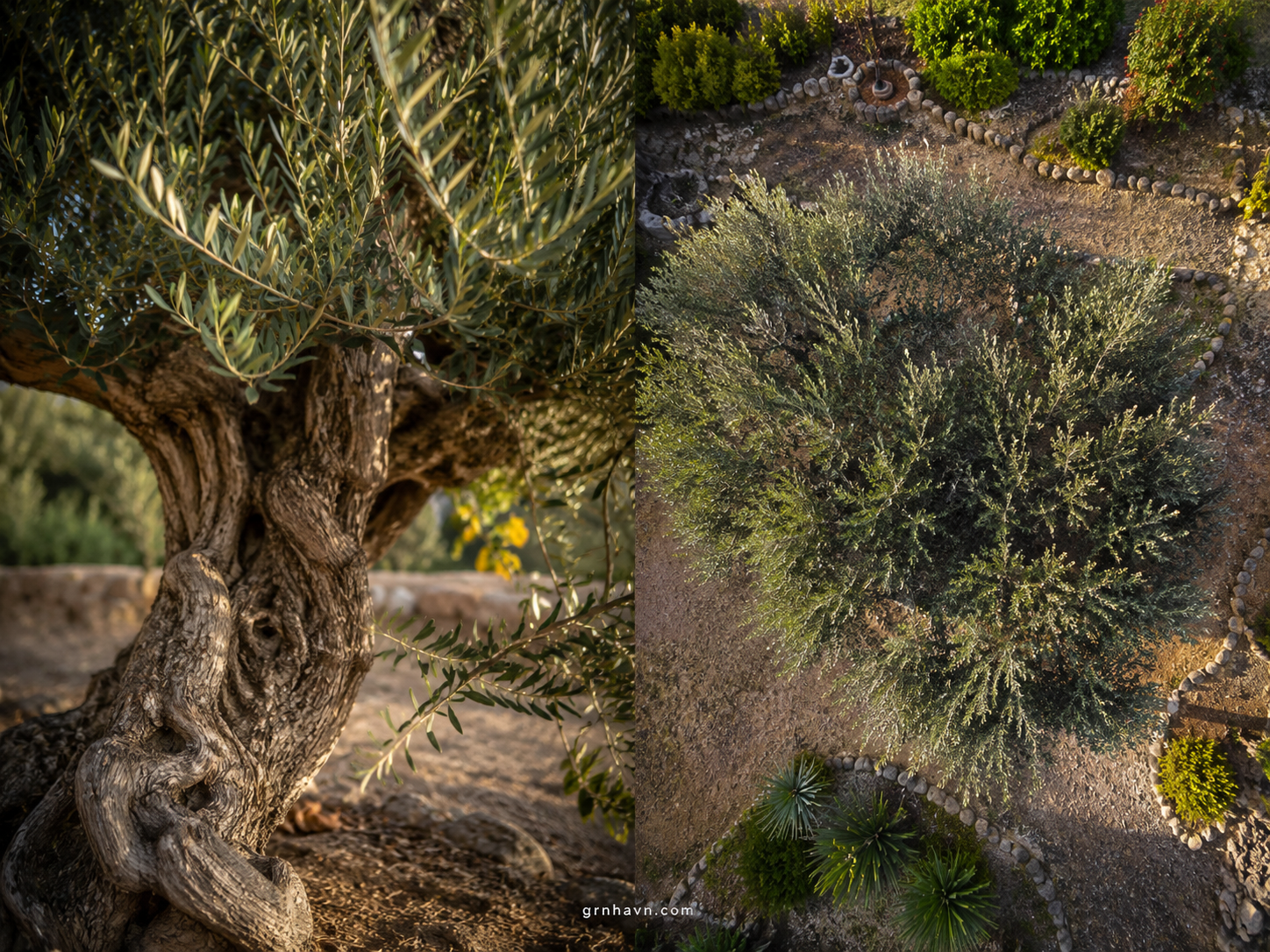
If you want quicker plant confirmation in your neighborhood, a reliable phone plant-ID app is easy to find locally—many people already have it via app stores on their phones, and you may also find printed guides at garden centers that pair well with apps. Quick tip: take one photo in indirect shade (not harsh noon sun) to capture leaf color accurately.
Prefer alternatives? Check local library maker-spaces or thrift/second-hand bookstores for “Mediterranean gardening” reference books, then combine with your phone’s camera for matching leaves. Supporting items: good daylight photos, and ideally a ruler for scale.
For the easiest, hassle-free route, use Amazon to compare phone camera lighting or plant-ID bundles, or jump to the curated list below.
How to Grow an Olive Tree (A Friendly, No-Drama Step Plan)
Growing an olive tree is mostly three things: sun, drainage, and timing. In the US, you can think in USDA hardiness zones—but the most practical approach is frost-date logic: once your risk of hard frost is over (and nighttime temperatures stabilize), you can move outdoors with more confidence.
In Europe, the same idea applies—use frost/temperature reality rather than a calendar date. If you can keep your olive tree safe during cold snaps, you win. If not, container-growing becomes your best ally.
My “won’t fail you” method:
- Pick the right variety for your cold tolerance.
- Give full sun: aim for 8–10+ hours (about 20–25°C daytime warmth helps, but light matters most).
- Drainage first: use fast-draining soil with perlite/pumice.
- Water sparingly: let the top inch dry (about 2–3 cm).
- Fertilize lightly in spring/summer—too much nitrogen can reduce fruiting.
- Protect from frost: frost-date + protection plan (or move potted trees indoors).
“Olives don’t ask for perfection—just the right conditions, repeated patiently.”
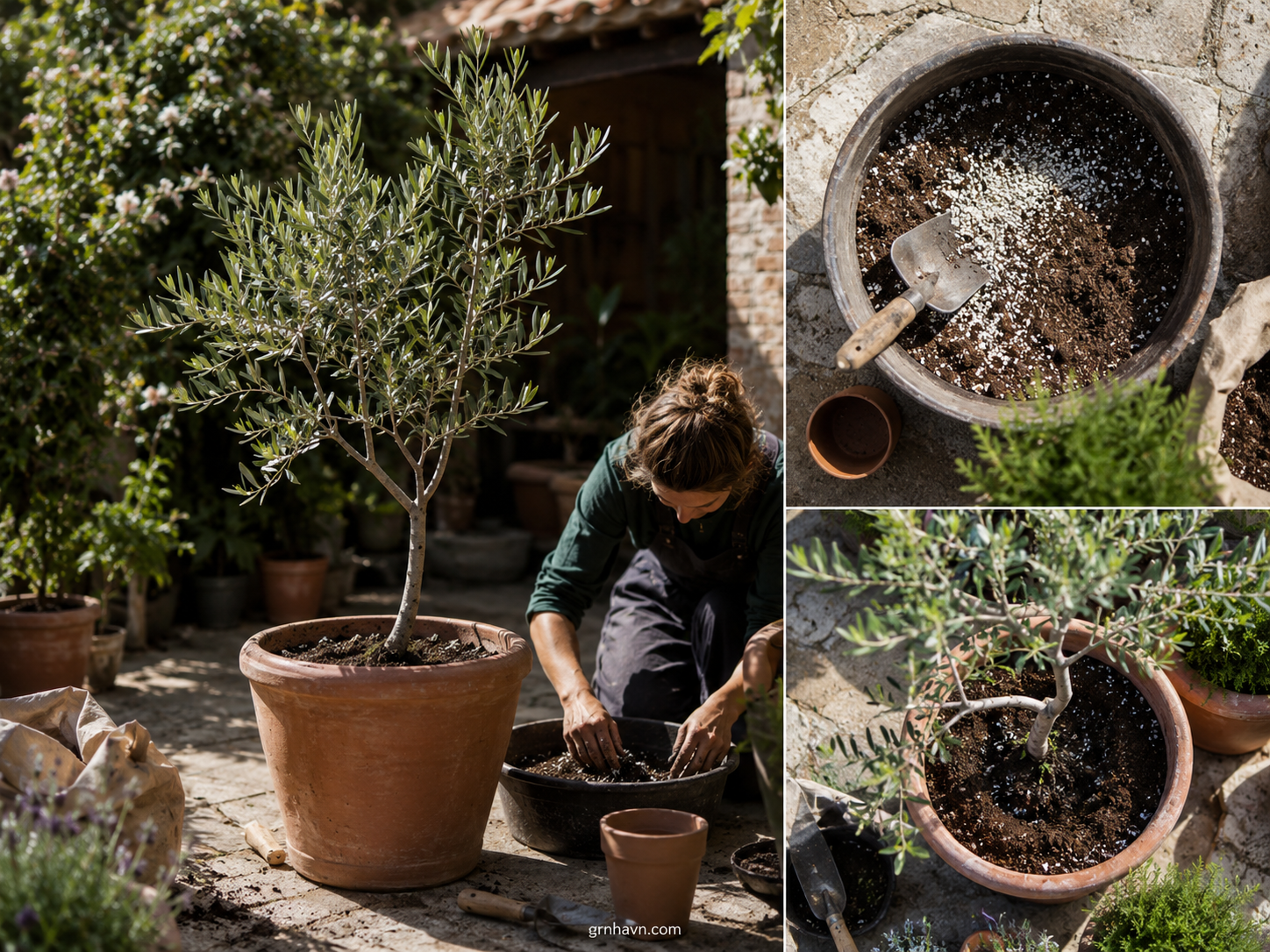
You can usually find fast-draining potting mixes, perlite/pumice, and large drainage pots at nearby garden centers, home improvement stores, or even grocery-store garden sections. Quick tip: aim for a gritty feel—if it feels spongey, it’s likely too water-retentive for olives.
If you want alternatives, check local nursery shops for pre-made Mediterranean blends, hardware shops for terracotta trays, or Facebook Marketplace for large planters (you’ll just want drainage holes plus a saucer). Supporting items: a saucer, gloves, and optional coarse grit.
For quick online shopping, compare options on Amazon, or use the curated comparison list below.
Can You Grow an Olive Tree Indoors? (Yes—But Light Is the Boss)
Yes, can you grow an olive tree indoors? Absolutely. But here’s the warm truth I wish someone told me earlier: indoors, most olives don’t fail because the soil is “bad”—they fail because the light is too gentle.
To make indoor growing work, think like an olive: it evolved for bright days and dry spells. Place it near the sunniest window (often south-facing in the Northern Hemisphere), rotate weekly, and water only when the top 2–3 cm (about 1 inch) has dried. If your home lacks strong brightness, a grow light is not extra—it’s often the missing piece.
“Your olive tree can live indoors… but it won’t thrive on ‘hope lighting.’ It needs real sun.”
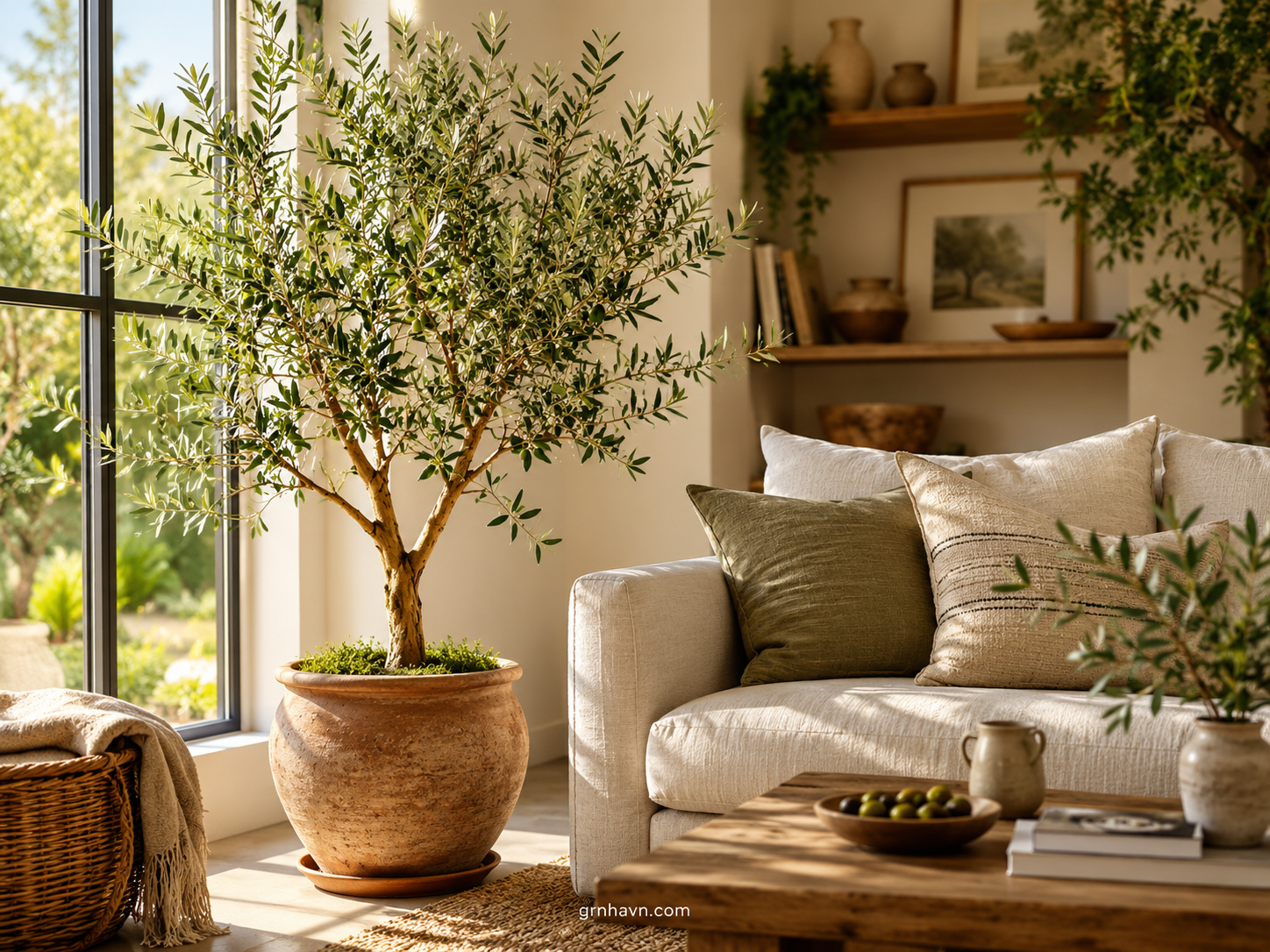
How to Care for an Olive Tree (Water Less Than You Think)
How to care for an olive tree sounds complicated until you notice the pattern: the tree thrives when you respect its dry-climate preferences. The biggest mistake I see? Overwatering. Olive roots want oxygen—soggy soil suffocates them and invites stress.
Here’s the gentle care rhythm that works for many gardeners (especially container growers):
- Sun: keep it as bright as possible.
- Water: deeply when needed, then let the top 2–3 cm (1 inch) dry.
- Prune: open the canopy for airflow and remove dead or damaged branches.
- Fertilize: lightly in active growth (spring/summer), skip heavy feeding in winter.
- Pests: check indoors for scale or spider mites, especially during dry winter air.
“The best olive-care tip is actually emotional: don’t rush. Let the soil dry. Let the tree breathe.”
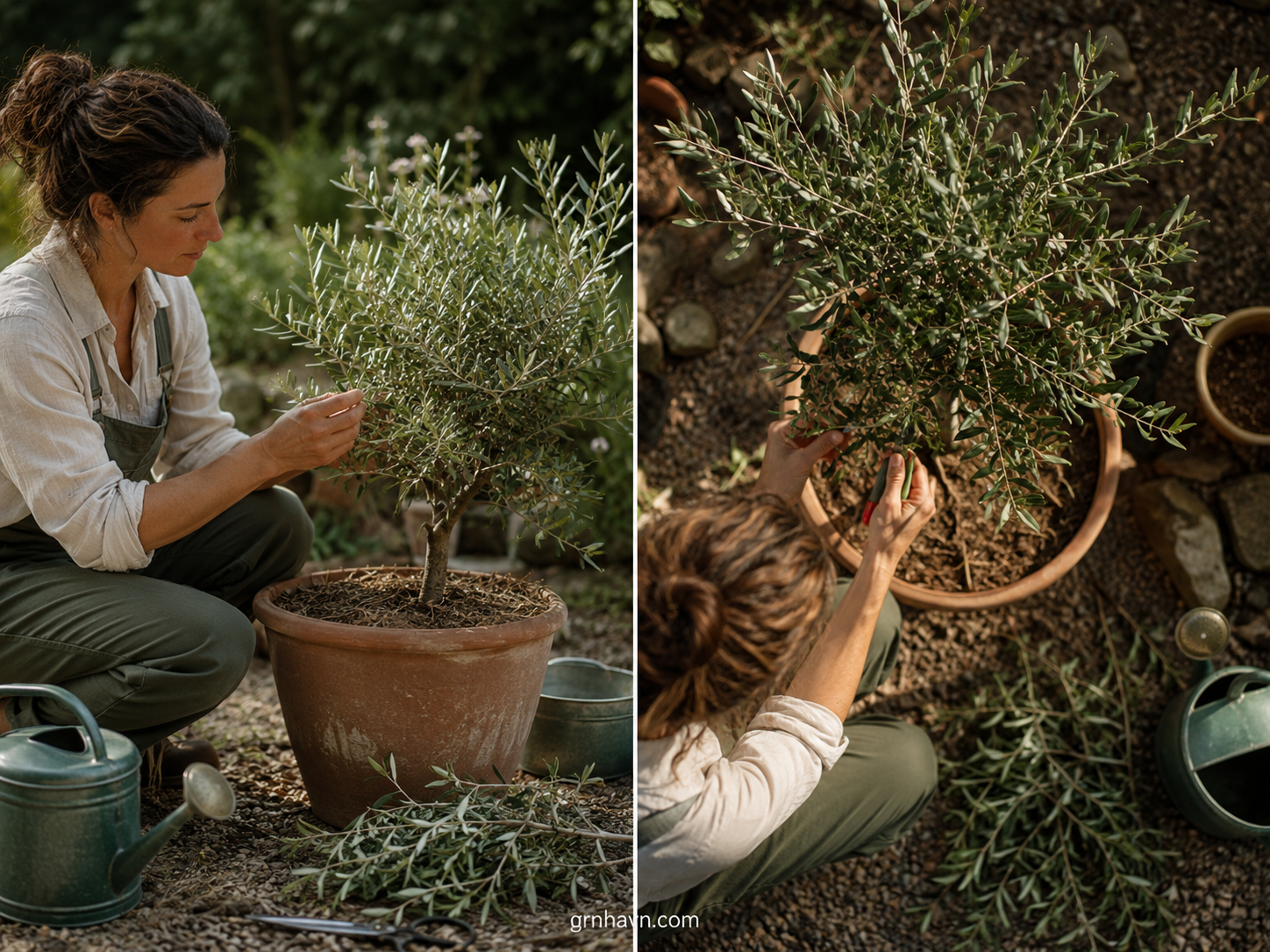
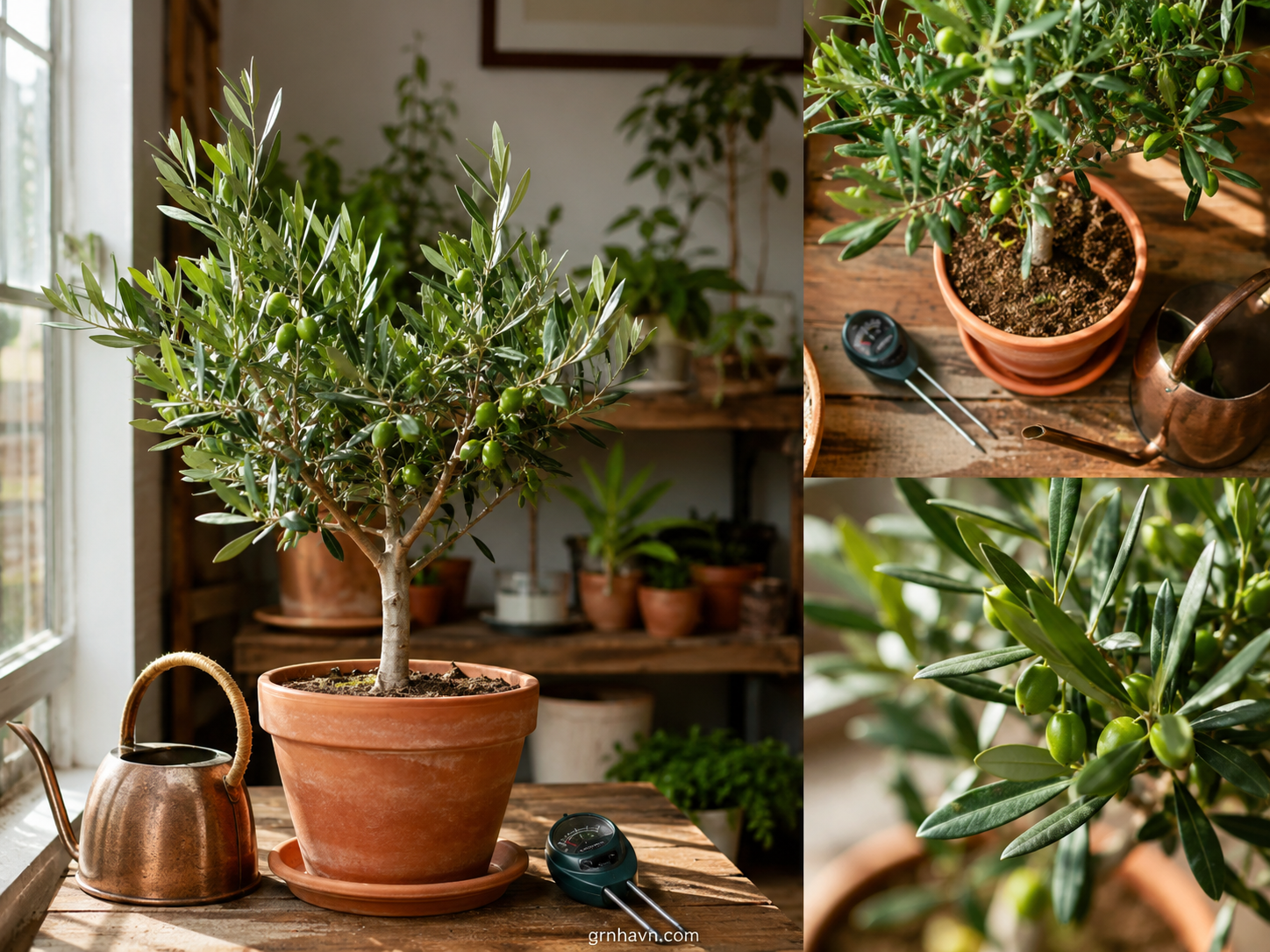
Can an Olive Tree Grow Indoors? Use This Friendly Checklist
If you’ve ever asked can an olive tree grow indoors and felt overwhelmed, I get it. Homes vary—windows differ, apartments differ, winters differ—so instead of “one size fits all,” here’s a simple checklist you can actually use today.
Think of it like planting with clarity: if most boxes are checked, your olive tree has a strong chance of thriving without constant guessing.
“When your care plan is clear, your olive tree feels safe.”
- Light: south-facing (or brightest equivalent), 6–10 hours strong light, rotate weekly.
- Pot & soil: drainage holes + fast-draining mix (perlite/pumice), not an oversized pot.
- Watering: water only when top inch (2–3 cm) is dry; don’t leave standing water in saucers.
- Temperature & airflow: avoid cold drafts and hot vents; protect from winter dryness stress.
- Pruning & feeding: prune lightly; fertilize spring/summer only.
- Maintenance: check leaves for pests, and inspect soil for staying wet too long.
What Not to Do (Common Olive Mistakes)
- Overwatering: yellowing leaves + wet soil = root stress.
- Late pruning: avoid aggressive late-season cuts; you want pruning before strong new growth starts.
- Low light: indoor dim corners lead to weak growth and poor resilience.
What Does an Olive Tree Represent in the Bible?
The olive tree is one of those symbols that feels both ancient and deeply personal. In many Bible-linked traditions, it’s associated with peace, blessing, faithfulness, and divine favor.
Olive branches are famously connected with peace, and olive oil played a central role in everyday life—worship, healing, and nourishment. When you look at an olive tree and its steady cycles—growth, harvest, and renewal—it naturally becomes a metaphor for endurance.
“An olive tree doesn’t just symbolize peace—it carries it, year after year.”
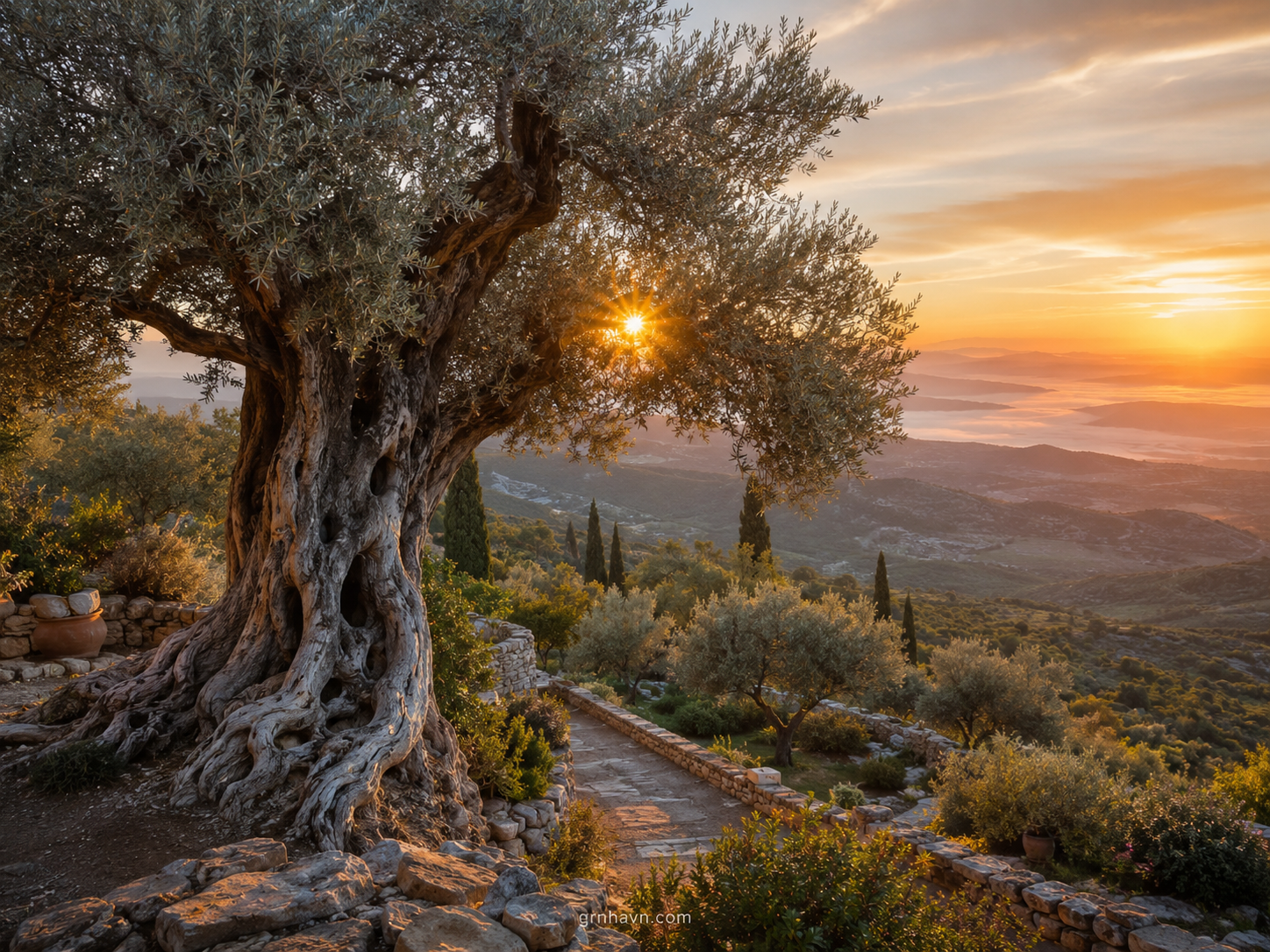
What Does the Olive Tree Represent (Beyond One Religion)?
When people ask what does the olive tree represent, they’re usually sensing something bigger than botany. Across history, olive symbolism often circles back to: peace, victory, prosperity, and resilience.
That makes sense when you consider the tree itself. It’s built to endure—growing through dry seasons, continuing its cycles, and returning each year. That’s why it shows up as a “long-term” symbol: stability you can return to.
“Olive symbolism is the kind that reaches your everyday life—quietly.”
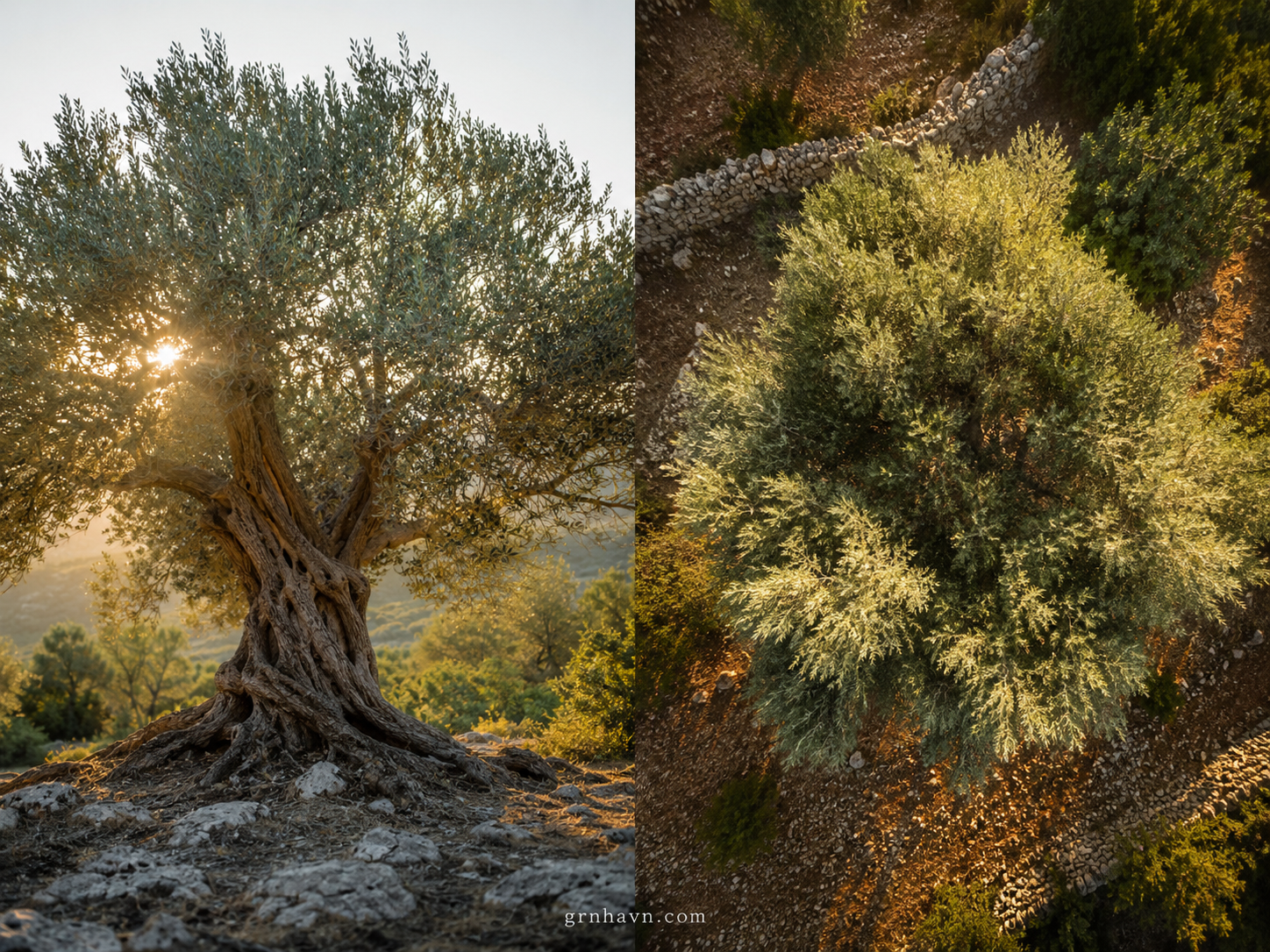
What Does an Olive Tree Symbolize? Hope You Can See
If you’re drawn to the question what does an olive tree symbolize, you’re probably not just curious—you might be searching for meaning you can hold. Olive trees symbolize hope and strength because they keep going. Even when conditions are tough, the tree renews itself through yearly cycles.
That’s the emotional magic of it. The olive doesn’t panic in drought. It doesn’t rush growth without light. It simply returns to its rhythm. Many people connect that rhythm to personal renewal: new beginnings after hard seasons, healing that grows slowly, faith that stays grounded.
“When life feels dry, the olive tree reminds you: renewal is still possible.”
Final Printable Checklist (Quick Success Guide)
Save this mindset: bright light, fast drainage, patient watering, and frost protection.
- Light: south window / brightest spot; rotate weekly.
- Soil: fast-draining mix (perlite/pumice).
- Water: only when top inch is dry (2–3 cm).
- Frost logic: protect when nights drop near danger (US: use USDA zone + frost dates; Europe: temperature/frost reality).
- Prune timing: before strong growth starts; keep airflow.
FAQ: Olive Trees, Indoor Care & Symbolism
Warm answers, grounded in real-world growing experience.
How Can You Identify a Healthy Olive Tree?
A healthy olive tree usually looks “alive” in the details: leaves stay firm (not limp), the tree holds its structure, and you’ll see steady new growth when light is strong. If the soil is draining well, the plant looks stable—not constantly stressed. I like to watch the leaves first: dull, dropping, or rapidly yellowing foliage often signals watering or light trouble.
What Are the Secrets to Growing a Strong and Healthy Olive Tree?
The secret is simplicity with consistency: full sun, fast drainage, and less frequent watering. In containers, oversize pots can hold too much moisture—so use a practical pot size and let the top layer dry before watering again. If you’re in a colder region, plan your frost strategy early using USDA hardiness zones (US) or frost/temperature logic (Europe).
What Conditions Does an Indoor Olive Tree Need to Thrive?
Indoors, light is the main condition. Place the tree in the brightest window you have (often south-facing), rotate weekly, and consider a grow light if your home is naturally dim. Pair that with fast-draining soil and careful watering: water only after the top 2–3 cm (1 inch) is dry. Avoid cold drafts and don’t let water sit in saucers.
What Does an Olive Tree Need Year-Round?
Year-round, it needs steady light and breathable soil. In winter, you typically water less and protect from cold snaps. Outdoors, you’ll also adjust for seasonal rainfall and frost timing—use frost-date logic and your USDA zone (US) or winter temperature reality (Europe). The core routine stays consistent: bright light + drainage + patience.
Why Is the Olive Tree Such a Powerful Symbol in the Bible?
The olive tree connects to peace, blessing, and renewal through both imagery and real-life use. Olive oil was meaningful for worship and healing, while olive branches became a widely recognized peace symbol. Because olive trees endure and keep returning to their cycles, the symbol feels like a “living message” of faithfulness and steady hope.
Is an Indoor Olive Tree Right for My Home?
If you can offer strong light (or a grow light), and you can stick to careful watering, then it can be a beautiful indoor choice. If your space is consistently dim, consider a lower-light plant instead—or place your olive tree near a window you can truly rely on. My rule: if you can’t measure your light at least by observation (leaves staying upright and stable), be cautious.
What Are the Biggest Challenges of Growing an Olive Tree Indoors?
The biggest challenges are insufficient light and overwatering. Indoor air can also be dry in winter, which adds stress if your plant is already struggling for brightness. The fix is rarely complicated: stronger light, fast drainage, and a “wait for dryness” watering habit.
Why Has the Olive Tree Represented Peace for Centuries?
Peace symbolism is deeply tied to the olive branch in cultural storytelling. Beyond that, olive trees themselves represent calm endurance—steady growth and long life. When people wanted a symbol for reconciliation and lasting hope, the olive fit naturally: it’s recognizable, meaningful, and enduring.
What Does an Olive Tree Symbolize Across Different Cultures?
Across many cultures, the olive tree often symbolizes peace, prosperity, resilience, and renewal. Its value as a source of oil and food historically made it practical and respected. That’s why you see olive symbolism in art, folklore, and faith traditions—people recognize its “enduring goodness.”
Final verdict: choose the conditions—and the olive will meet you halfway
If you remember just one thing, let it be this: an olive tree’s success is mostly about what you set up—sun, drainage, and frost logic—then repeating those essentials with patience. I’ve seen people panic over small changes, when the real win was simply giving the tree enough light and letting watering follow dryness. And when you pair that care with the deeper meaning—peace, blessing, renewal—your olive tree stops being “just a plant.” It becomes a calm, living companion that grows at the pace that actually helps you heal too.