Olive Tree Meaning, Symbolism, Tattoo Ideas, White Olive Tree & Indoor Decor Guide
“Sometimes the most beautiful meaning isn’t something you find—it’s something you grow.”
In this guide on grnhavn.com, I’ll walk you through olive tree meaning and olive tree symbolism, give you practical, zone-aware buying checklists (yes—both US USDA hardiness zones and Europe frost/temperature logic), and share my honest opinions on common “looks good online” mistakes. You’ll also get tattoo ideas, an olive tree drawing guide, and a warm, realistic plan for decorating with a white olive tree—or a fake olive tree indoor that actually looks believable.
- How to choose an olive tree you’ll love—without wasting money or time.
- What to expect in different climates: warm Mediterranean vibes vs. indoor reality.
- Meaning you can feel: peace, hope, renewal, and “love under the olive tree” romance.
Buying checklist
Leaf health, pests, and drainage—your fastest path to a happy tree.
Climate logic
US zones + Europe frost timing so you don’t trigger cold shock.
Decor + meaning
Tattoos, drawings, and styling—olive symbolism that feels personal.
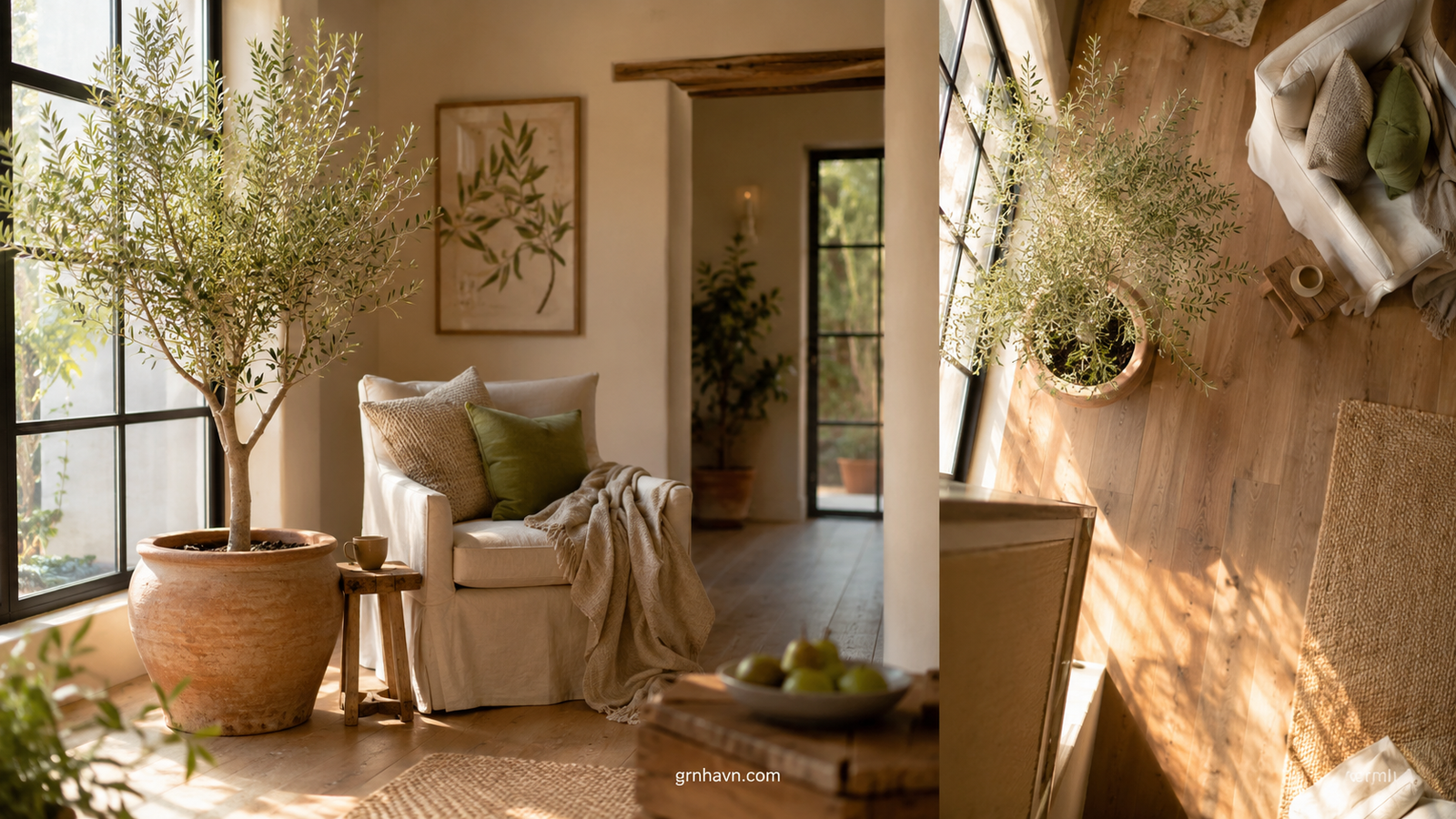
Olive Tree For Sale Buying Guide
Here’s how to choose wisely, in a way that works for both the US and Europe: Olive trees love Mediterranean-like conditions—hot summers, mild (or at least not brutal) winters. If you’re in the US, use your USDA hardiness zone as a starting point. If you’re in zone guidance territory (colder than you expected), treat your olive like an “outdoor during warm seasons, indoor/covered during frost” plant. In Europe, think in frost-date logic: plan around your first fall frost and last spring frost—don’t guess based on calendar alone.
Before buying, check the plant health in person: leaves should look alive (green or healthy silvery new growth), with no sticky residue, no visible pests, and no “mushy” root smell. Drainage matters more than most people realize—especially if the tree is sold in a decorative pot. For indoor homes, choose a manageable pot size with real drainage holes. For outdoors, decide now whether you’ll keep it in a large container or eventually move toward in-ground planting (containers are often kinder to beginners).
My best advice? Ask about variety and mature size. Many shoppers fall in love with a small “moment” and then panic when the tree grows into a whole silhouette. And season timing matters—repotting and planting usually go smoother in warmer months.
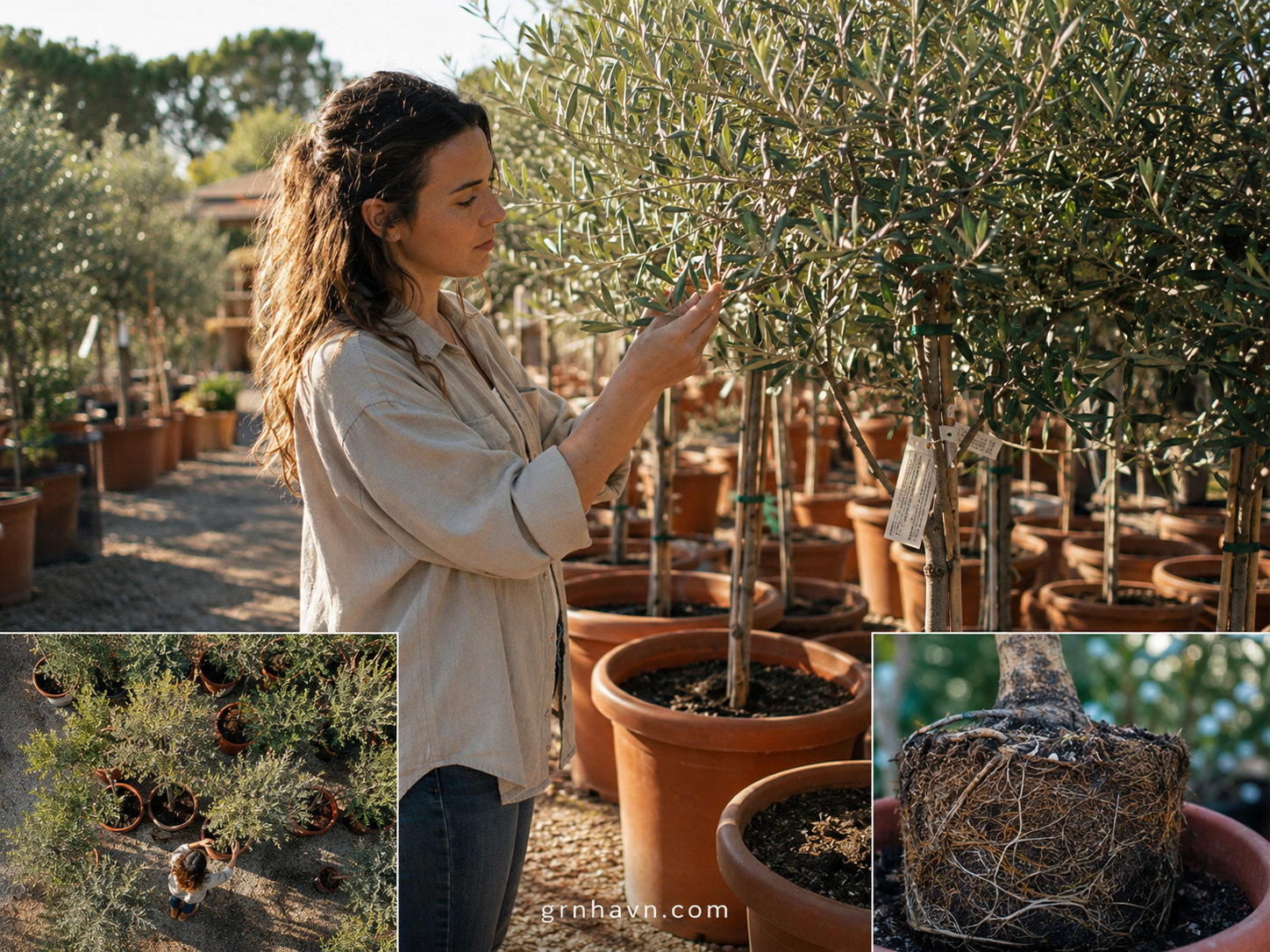
If you’re buying an olive tree for sale locally, you’ll often find options at nearby garden centers, home improvement stores, and sometimes even grocery-linked plant corners. Practical tip: carry a quick “inspection mindset”—check leaves for even color and make sure the pot has drainage (or plan your swap).
For alternatives, try local nurseries, thrift stores, Facebook Marketplace, or second-hand shops—just be prepared with a few supporting items: a pot with drainage holes, a well-draining mix, and a small moisture-checking routine (don’t keep it wet).
For fast online shopping, compare options on Amazon or use the curated product comparison list below. Choose based on pot size, drainage, and seller quality photos.
Costco Olive Tree Buying Guide
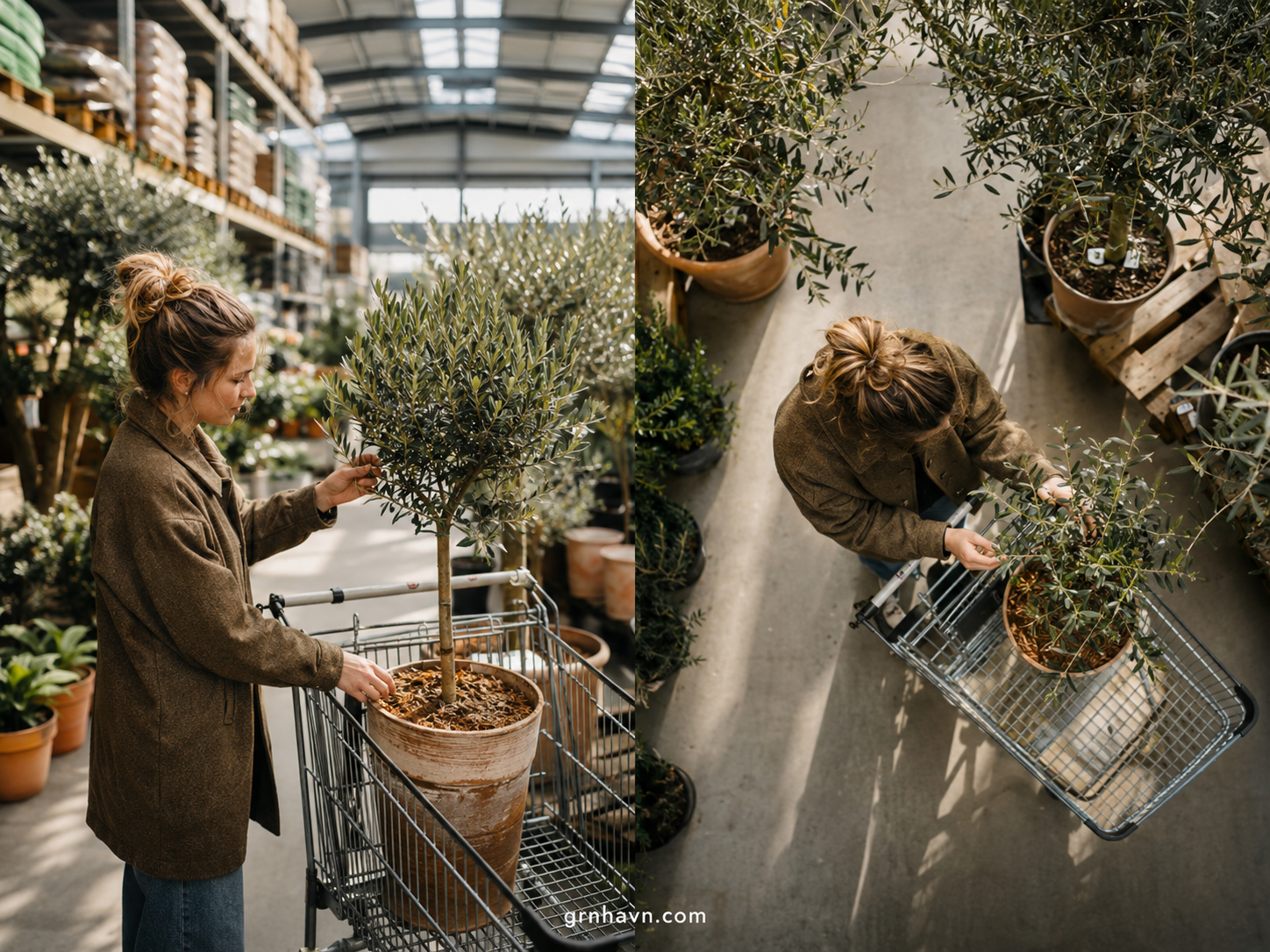
The seasonal truth is simple: Costco stock changes by region and time of year. When you see an olive tree in stock, inspect it like you’d inspect a fresh ingredient—because your future care depends on that first condition. Look for evenly colored leaves (no heavy yellowing), avoid drooping stems, and don’t buy anything with a fungus-like smell from the pot.
Drainage is the big one. Many warehouse plants are in decorative setups that look great on the shelf but don’t drain the way an olive needs. If the pot doesn’t have good drainage, plan your swap right away—don’t wait for “later,” especially if you’re heading into cooler temps.
Also think about transportation shock. Olive trees are sensitive to sudden light and temperature changes. If it’s warm where you purchased but cool at home, plan an acclimation period—bright light first, then gradually “learn” your home’s conditions. And when to repot? If roots are crowded or soil seems poor, repot soon—but avoid doing it during the coldest or hottest stress periods.
After purchase: place near a bright window or outdoors if conditions allow, and water only when the top layer dries. In colder climates, protect from frost—use your local frost dates. In the US, if you’re moving outdoors seasonally, use your USDA hardiness zone and keep a frost reminder for safety. In Europe, use frost/temperature logic and be ready with a cover if nights drop quickly.
The Olive Tree Complete Guide
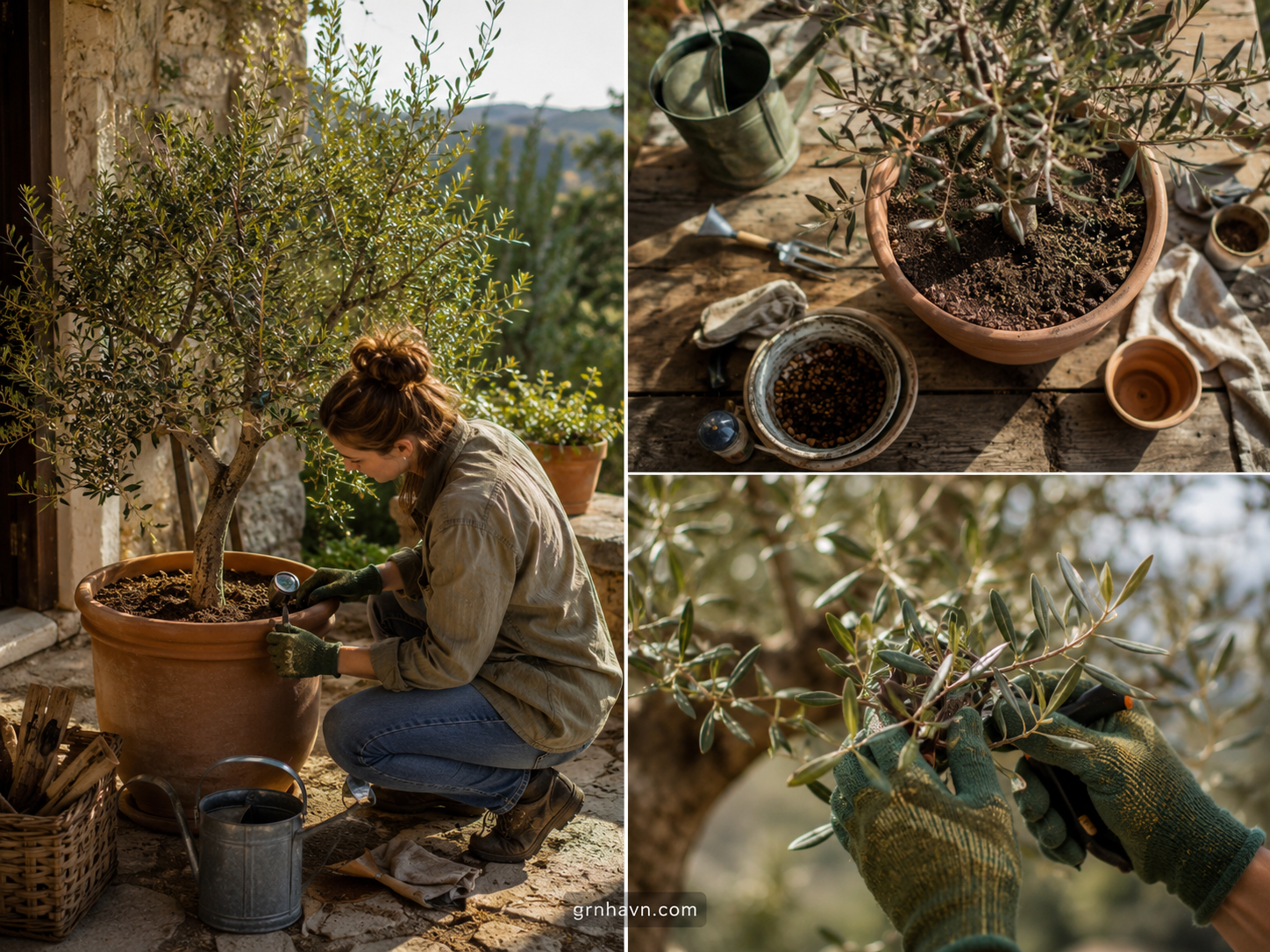
The “success triangle” is: sun, water, and well-draining soil. Sun is the #1 factor. Indoors means you need bright light—often the brightest window you have. Outdoors means full sun (commonly 6–8+ hours depending on your region). If your tree is reaching, leaning, or looking dull, don’t just water more—light is usually the missing puzzle piece.
Watering should be deep, then dry. Don’t keep the roots constantly wet. A simple rhythm helps: water thoroughly, let excess drain completely, and wait until the top layer dries before the next watering. In colder months, reduce frequency—growth slows and the soil stays wet longer.
Repotting and container choice: bigger pots hold moisture longer, which can be great if you’re experienced, but risky if you’re learning. Pruning is also about keeping airflow and removing dead or crossing branches—think “shape with intention,” not “heavy cuts.” Fertilize during active growth, pause during dormancy-like periods.
Common pests include scale, spider mites, and mealybugs. My opinionated shortcut: inspect early and often, especially on leaf undersides. If you see yellowing or leaf drop, troubleshoot in this order—light first, watering second, and temperature swings third.
Olive Tree Meaning Explained
When you bring an olive tree into your space, you’re not only choosing decor. You’re inviting a symbol of hope and renewal—especially in seasons when life feels stalled or heavy. I like to think of it like this: when new growth appears after a quiet struggle, the tree teaches you that softness can be strong.
Across history, olive wreath traditions and sacred stories helped shape the tree’s reputation for victory and achievement. But the everyday meaning tends to be more personal: “I survived.” “I’m starting again.” “We’re okay.”
In my experience, the more you care for the tree consistently—light, drainage, gentle transitions—the more that symbolism becomes real. It’s not magic. It’s slow biology meeting emotional patience.
So if you’re choosing an olive tree for a home, a gift, or even a memorial moment, let the meaning be your guide. Peace doesn’t always arrive loudly. Sometimes it arrives as a living silhouette near a window, turning toward the sun day after day.
Olive Tree Symbolism Guide
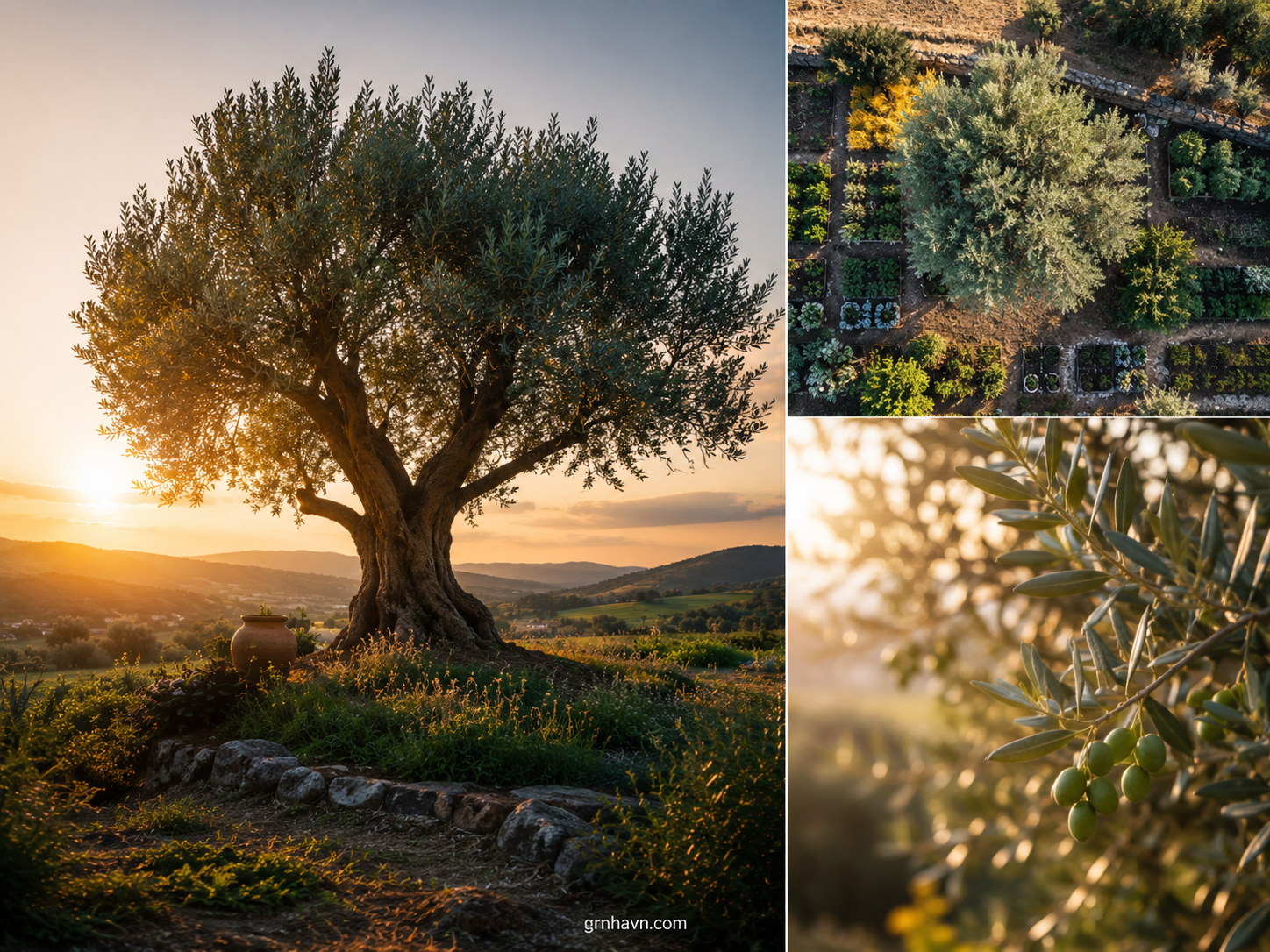
You’ll see olive symbolism in religious contexts where it connects to restoration and sacred renewal. You’ll also see it in Mediterranean identity—architecture, mosaics, and regional heritage—where the tree becomes a symbol of place as much as it is a symbol of meaning.
Modern interpretations tend to focus on resilience, healing, and quiet strength. Personally, I love this evolution because it matches real life. Most of us aren’t looking for dramatic change—we’re looking for steadiness.
If you’re choosing a tattoo, symbolism helps you pick a design that actually fits your story. Minimal linework can signal calm peace. Branches that look twisted and natural can represent survival. And olive leaves with small “spark” highlights can reflect renewal after a tough chapter.
My opinion: don’t choose symbolism based on what’s trendy. Choose what you need right now—and what you want to become.
Olive Tree Drawing Guide
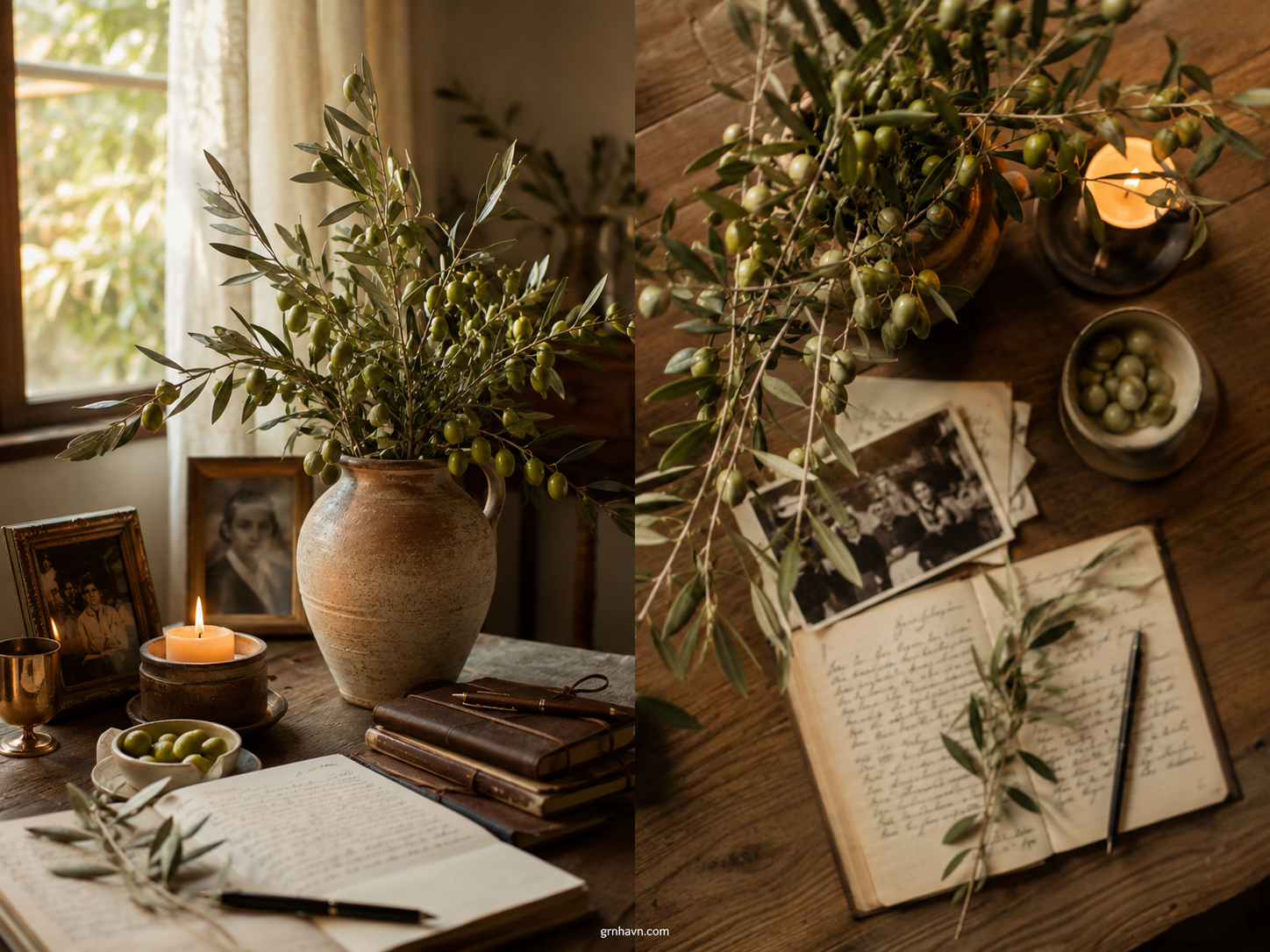
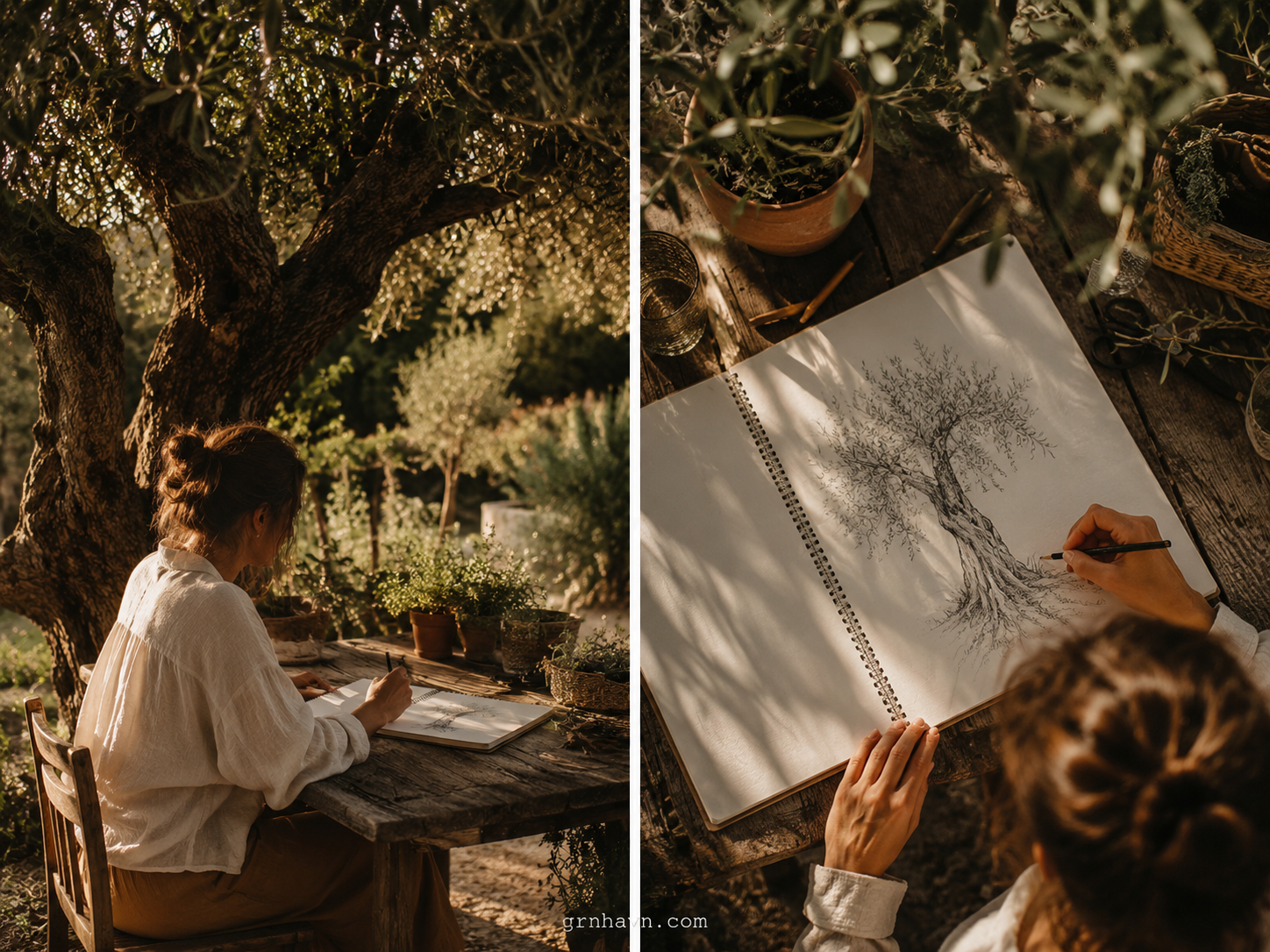
Start with a light sketch: draw the trunk curve and a branch framework. Olive trees often have twisted, gnarled silhouettes—avoid symmetry and let your branches feel like they’ve lived through seasons. Then add leaf clusters. Don’t try to draw every leaf as an individual. Use small oval/teardrop shapes grouped together so your “canopy” reads as one form.
Texture matters. Olive bark is rough and irregular with darker creases—so add rough lines and gentle shadows. Shade the canopy with layered pencil strokes or soft digital gradients, working from darker edges inward. Optional: add olives as small elongated circles with highlights.
Background choice is also design. A minimal background helps focus on your silhouette and texture, which is where the olive tree’s personality lives.
If you’re drawing for a tattoo reference, keep it simple first—your artist will refine. And if you’re drawing for your own calm, keep it cozy and imperfect. Sometimes the meaning matters more than the realism.
Olive Tree Tattoo Ideas Guide
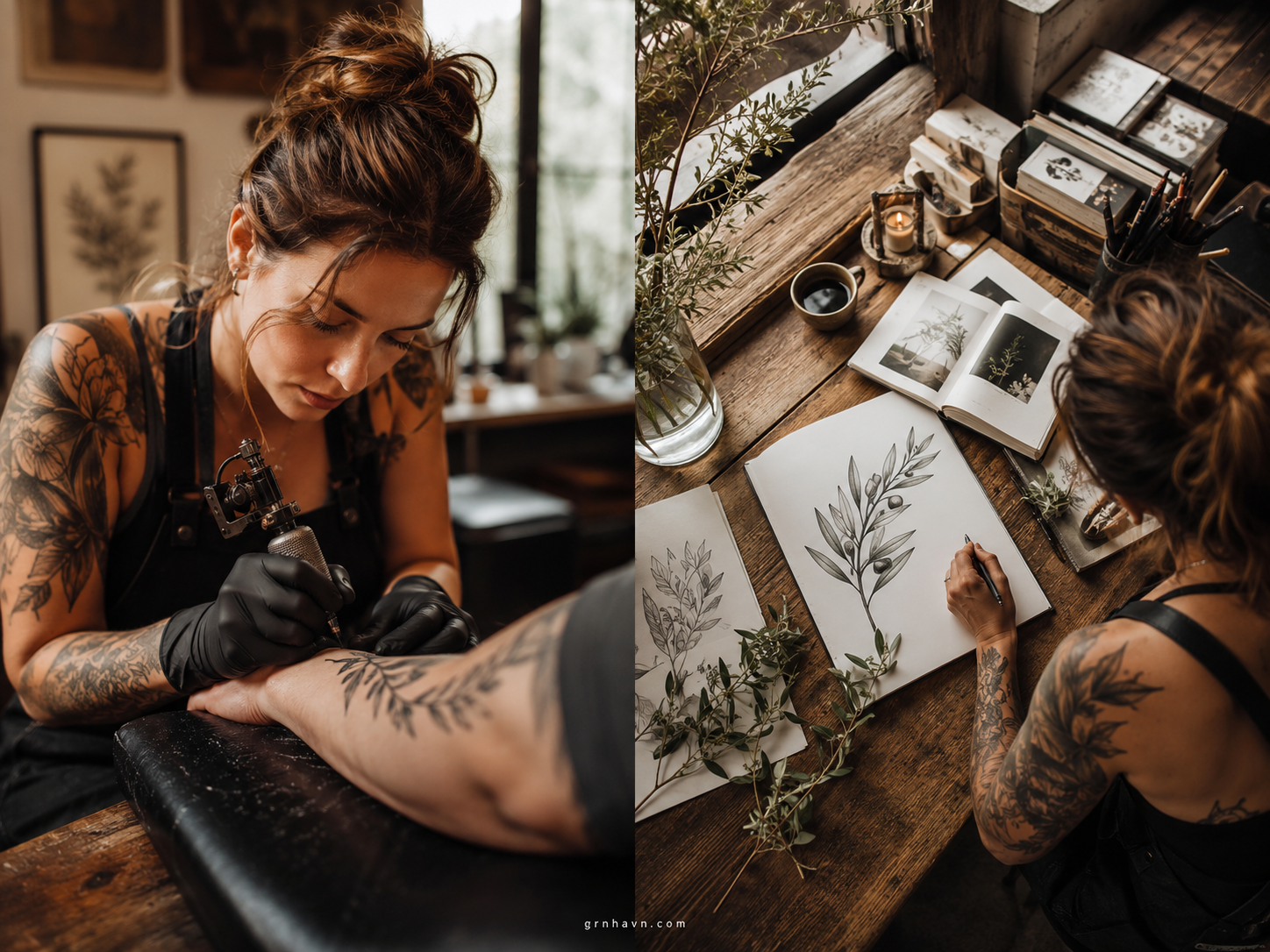
Here are styles that consistently “translate” the emotion of the olive tree: Minimal linework works when you want subtle calm—thin branches with small leaves. Blackwork realism brings timeless depth with detailed bark and leaf shading. An olive branch + quote style is perfect if you want your meaning spoken back to you every time you see it. Dotwork/mandala olives can feel spiritual or zen—like your skin is becoming a quiet sanctuary.
Placement affects how the tattoo “reads.” Forearm and upper arm suit longer silhouettes. Ankle tattoos feel delicate and intimate. Back of shoulder looks gorgeous for layered shading.
My suggestion: pick meaning first, design second. If you want peace, choose calmer negative space and gentle leaf flow. If you want survival, choose twisted branches and textured bark lines. And if you’re honoring renewal, look for designs that show movement—branches rising or curving toward light.
Artist checklist (my favorite): bring references, ask about stencil accuracy, and confirm line weight so your tattoo ages gracefully.
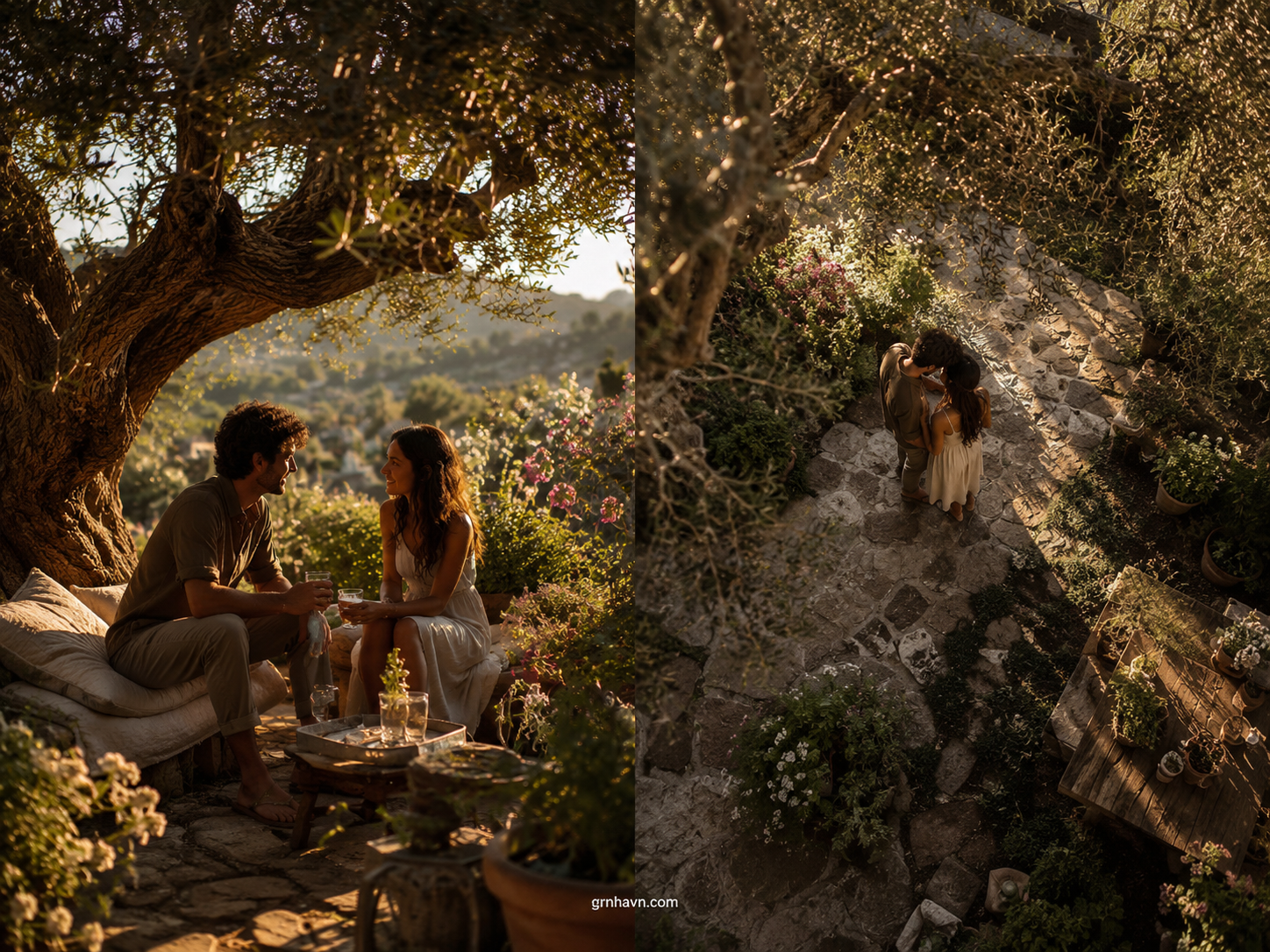
Love Under The Olive Tree Theme Guide
Start with an aesthetic: deep greens, cream, terracotta, and warm candlelight. Then build the layers. Olive branch centerpieces, rustic wooden tables, glass votives, and linen textures create that “quiet luxury” vibe. Color palette inspiration: sage green, olive green, ivory, and gold accents—think soft gradients, not loud contrasts.
Floral pairing matters too. Roses + eucalyptus is classic. Lavender adds gentle softness. Olive leaves or small olive branches can sit as accent greenery rather than overpowering. For table settings, keep it simple: textured napkins, subtle place cards, olive-themed menus.
Signs are where the theme becomes emotional. A welcome sign with a branch illustration or chalkboard-style message adds personality. For photography: natural window light + warm candle glow = the most flattering combination.
My honest opinion? The best “Love Under The Olive Tree” experiences aren’t over-designed. They’re warmly lit, comfortably styled, and made for people to feel safe enough to be themselves.
Olive Tree Views Inspiration Guide
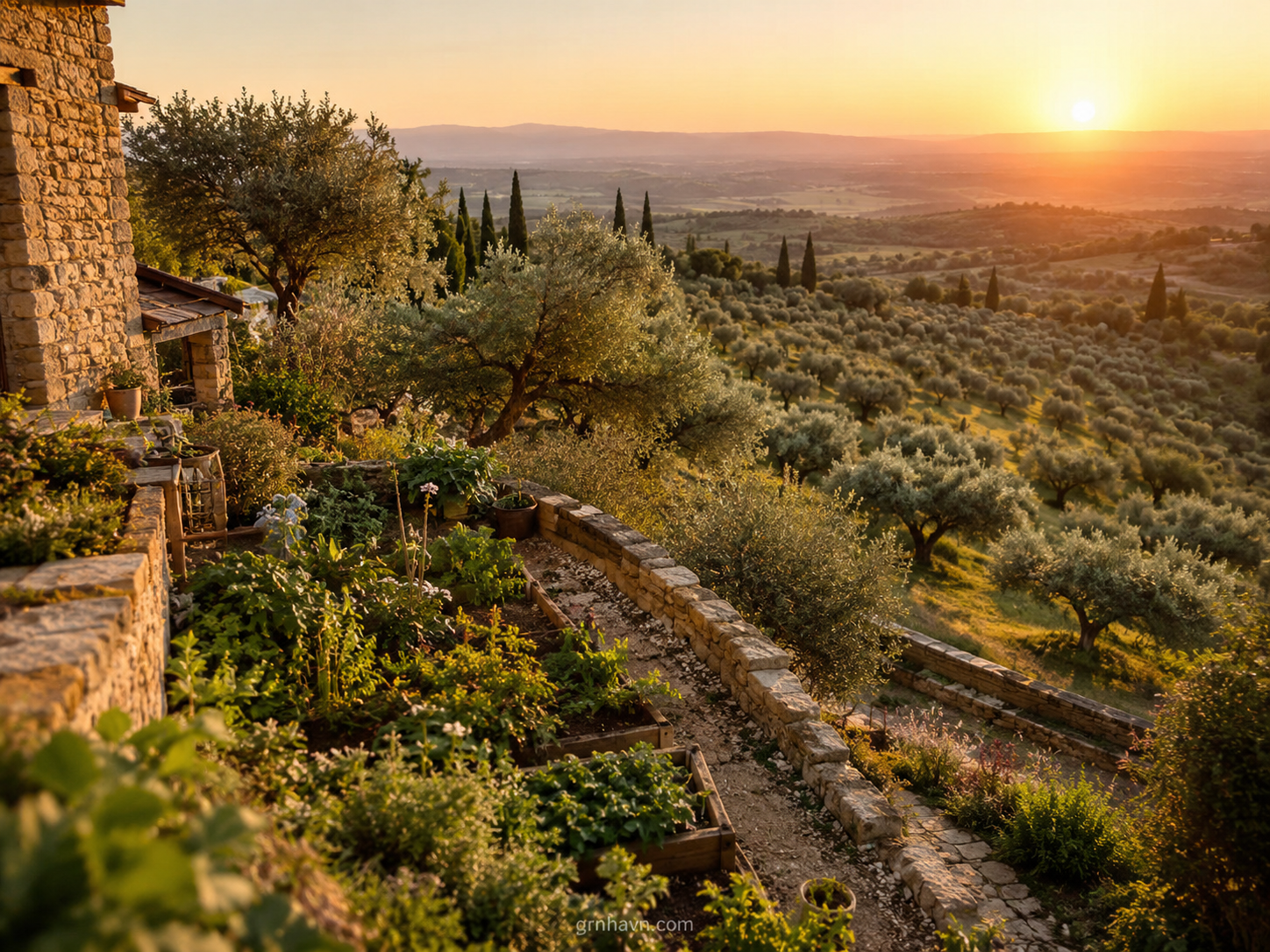
Outdoor inspiration: coastal gardens, stone pathways, terracotta pots, and dry-climate styling. Use gravel mulch and neutral ceramics to let the olive tree become the “hero.” If your home has limited outdoor space, a tall container on a sunny wall can still create a beautiful “view.”
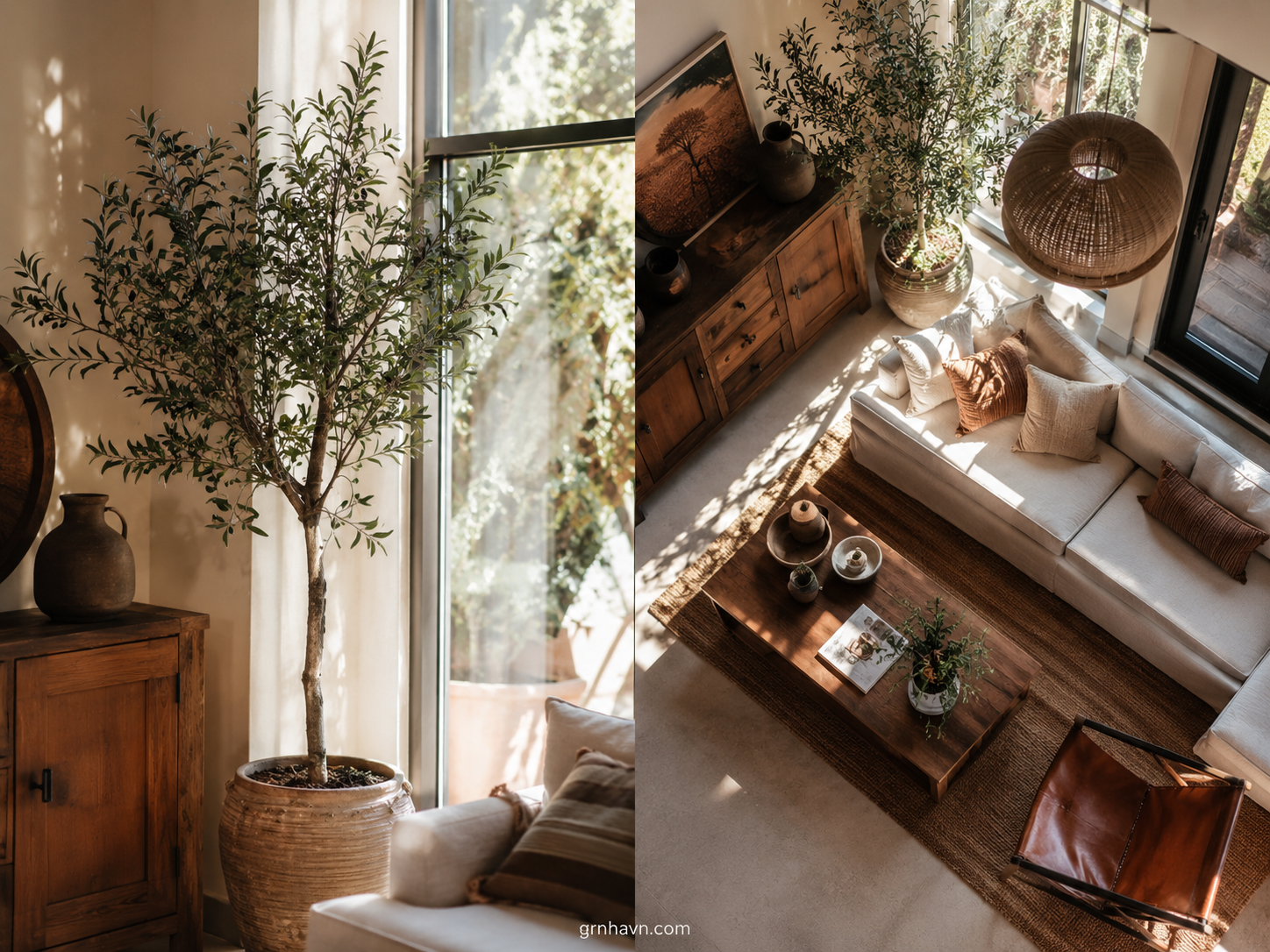
Indoor inspiration: tall bright windows, modern planters, and minimalist styling. If your olive tree looks too flat indoors, it usually isn’t the tree—it’s the placement. Rotate the pot so the canopy doesn’t lean too much in one direction. Use a simple background and reduce visual clutter around the tree.
Photography tips: golden hour lighting is your friend. Avoid busy backgrounds so your tree reads clearly. Best “view” angles often include: silhouette views from doors, close-ups of trunks and bark texture, and canopy shots against bright skies.
Styling complements: wrought iron, neutral ceramics, natural wood. Keep the palette cohesive and let the olive tree’s shape bring the meaning.
The White Olive Tree Guide
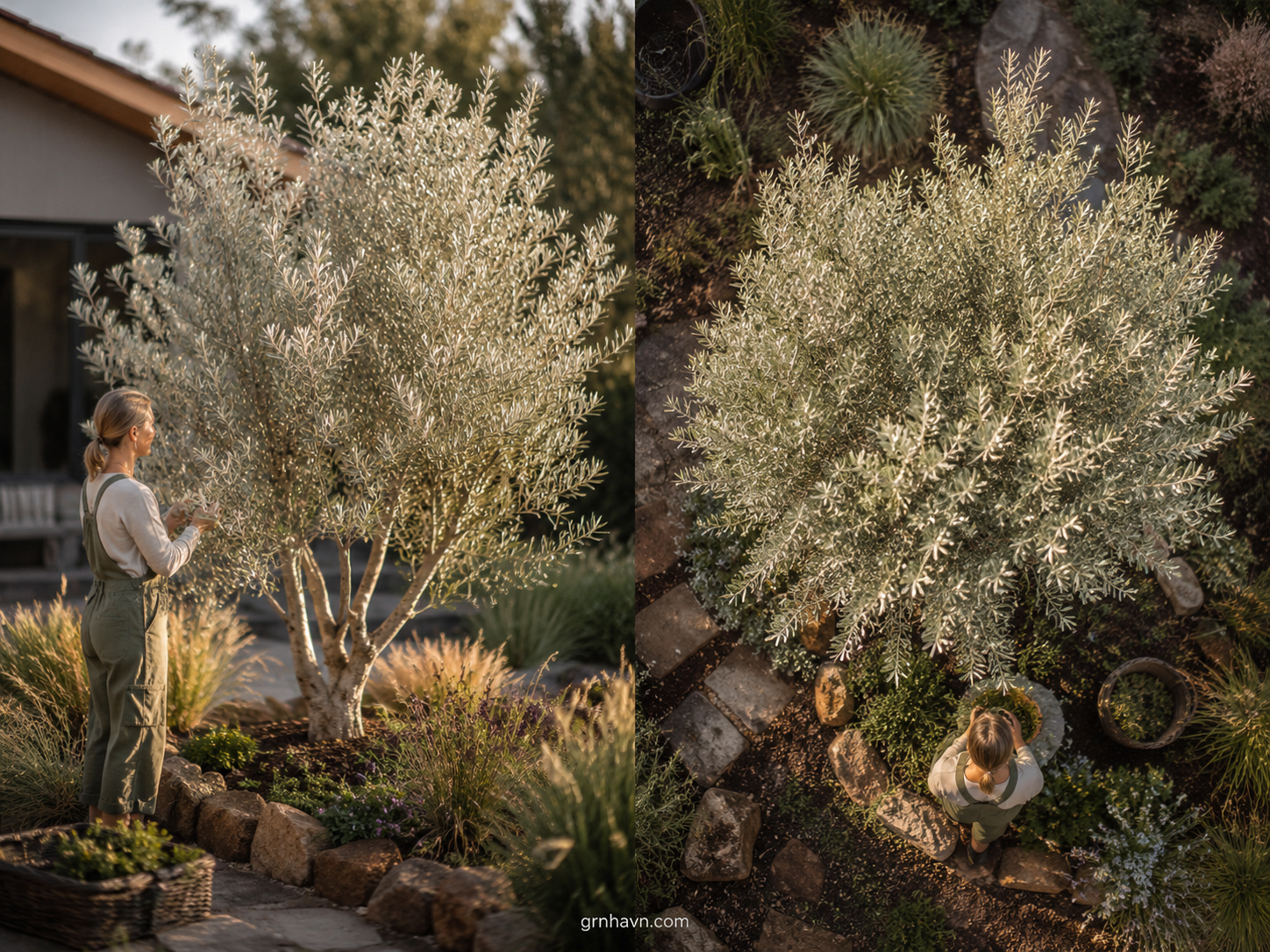
Visual traits to look for: a lighter leaf color, a silvery underside, or a frosted look. But here’s the key: even if the leaves look pale, the care is still generally the same as olive trees—bright light, well-draining soil, and careful watering.
Sunlight needs remain important. Most varieties still prefer full sun, and lighter foliage can reflect heat differently depending on placement. My recommendation: give it the brightest spot you can, especially indoors near a window.
Watering approach should be consistent with standard olive care. Don’t keep roots constantly wet. Let the top layer dry before watering again, and drain completely.
Growth expectations: olive trees are slow, and “white” variants may take time to develop their signature tone. So don’t panic if it looks less dramatic at first. With stable light and proper drainage, it gradually becomes that calm, silvery statement.
White Olive Tree Care Guide
Light: aim for the brightest placement possible. If you’re indoors, place it near the sunniest window you have and rotate the pot for even growth. In many homes, that tiny rotation helps prevent legginess and uneven tone.
Watering: let the top layer dry first, then water thoroughly and drain completely. Dullness often means low light or overwatering. Leaf drop usually signals stress from temperature or sudden light changes—especially during seasonal transitions.
Humidity and airflow: avoid stagnant indoor corners. Good airflow prevents lingering dampness and reduces pest pressure. Fertilizer: use moderate feeding during active growth, then pause in colder months.
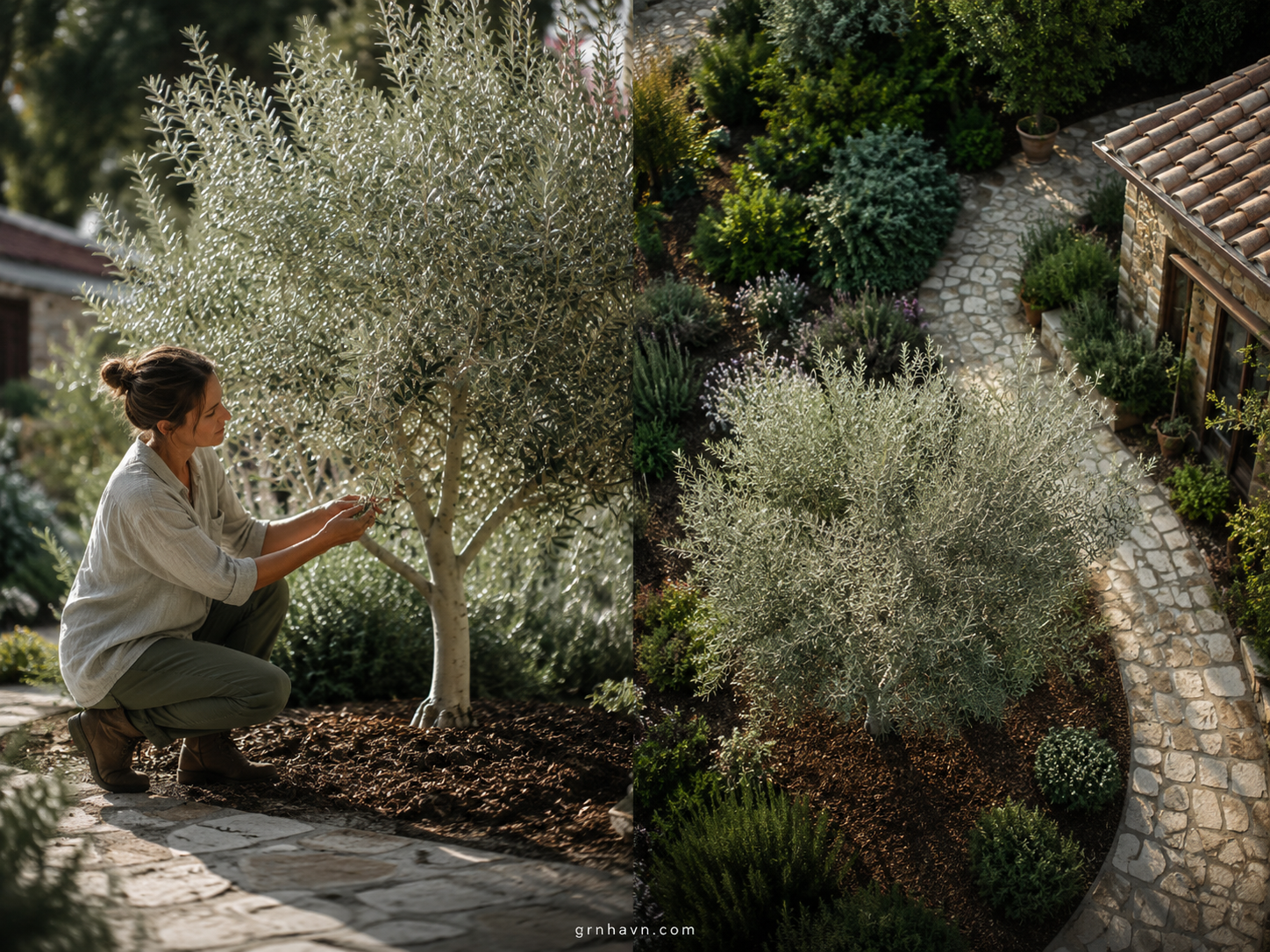
Pruning: remove leggy growth and keep structure airflow-friendly. When you prune, do it with a “shape and breathe” mindset—not aggressive cutting. And always inspect leaf undersides for mites or scale. Silvery doesn’t mean invincible.
Fake Olive Tree Indoor Decor Guide
Start with the look: do you want realistic foliage (for maximum “I thought it was real”) or minimalist sculptural design (for modern spaces)? Size matters: measure your area and consider furniture height and ceiling clearance. A common mistake is buying a tree that’s too small—then it looks like decor instead of a living moment.
Pot and planter selection matters just as much as the branches. Use planters that match your style: modern ceramic, woven baskets, or terracotta. For realism, aim for varied leaf shapes and colors and multiple branch thicknesses. Even if the trunk is faux, it should have texture and gentle irregularity.
Placement tip: don’t set it dead-flat. Give it a slight angle so the silhouette feels alive. Put it in a bright area where light can “catch” the leaves the way real foliage does. Then do simple maintenance: dust regularly with a soft brush or microfiber cloth.
Want a pro finish? Layer decor at the base. Add subtle accents like gravel top dressing or a moss mat so the bottom looks intentional and authentic.
What Not to Do (quick anti-mistake list)
- Overwatering—olive roots hate constant wetness.
- Late pruning—avoid heavy pruning during stress periods (too hot or too cold).
- Ignoring drainage—decorative pots are not the same as drainage pots.
- Skipping sunlight checks—light problems often look like “water problems.”
- Moving too fast—transport shock needs acclimation time.
Final Printable Checklist (tap Print)
- Check leaves: no heavy yellowing, no sticky residue, healthy color.
- Check for pests: inspect undersides for mites/scale/mealybugs.
- Check roots & smell: avoid soft/mushy roots or fungus odors.
- Confirm drainage: holes present, excess water can escape.
- Plan for sunlight: bright window or full sun (6–8+ hours).
- Use climate logic: frost dates (Europe) / USDA zones (US).
- Water correctly: deep water, then let the top layer dry.
- Repot smart: right timing; avoid coldest/hottest stress periods.
- If faux: buy correct size + realistic leaf variation + intentional base styling.
FAQ: Olive Tree Meaning, Symbolism & Buying
What Should You Check Before Buying an Olive Tree for Sale?
I always start with leaf health (even color, no sticky residue), then pests (undersides), and then drainage. The “case study” truth: most disappointing purchases are really drainage + light mismatches. If the pot looks decorative only, plan to move it into a draining setup right away.
Why Are Costco Olive Trees So Popular and Are They Worth Buying?
Costco olive trees are popular because they’re often a great-looking value at the right season. Are they worth it? Yes—with one condition: inspect carefully and anticipate transport shock. I’ve seen the best results when buyers acclimate slowly and correct drainage immediately.
What Makes the Olive Tree One of the Most Beloved Trees in the World?
The olive tree meaning carries peace, hope, and renewal—plus it’s a living symbol of endurance. In my opinion, people love it because it fits real life: slow growth, steady care, and a long relationship with your space.
Why Does the Olive Tree Represent Peace, Hope, and New Beginnings?
Historically, olive branches were tied to reconciliation and restoration. The tree’s evergreen nature also reinforces the “new begins again” feeling. When you care for it consistently, that symbolism becomes something you can literally witness—new growth after patience.
What Do Different Olive Tree Symbols Mean in Everyday Life?
In everyday life, olive symbolism becomes a shorthand for calm strength. Green leaves often feel like life/vitality; silvery leaves can feel reflective or wise. Tattoos and decor remix these meanings into your personal story—whatever you need most is what it means to you.
How Do You Draw a Realistic Olive Tree Step by Step?
Start with a light sketch of trunk curve + branch framework, then build leaf clusters in groups (not every leaf). Add rough bark texture with irregular lines, then shade the canopy with layered strokes. Keep symmetry low—olive trees feel alive when they look slightly imperfect.
Which Olive Tree Tattoo Style Best Matches Your Meaning and Personality?
Minimal linework matches people who want quiet peace. Blackwork realism suits those who love timeless detail. Dotwork/mandala styles fit spiritual or healing journeys. Choose the style that matches the emotion you want to carry daily—not just what’s trending.
Why Does the “Love Under the Olive Tree” Theme Feel So Romantic?
Because it blends grounded greenery with warm, gentle lighting. Olive decor looks natural, not costume-like—so your guests feel comfortable. It’s romantic without being intense, which is exactly why it photographs beautifully and feels emotionally safe.
How Can You Create Stunning Olive Tree Views for Gardens and Homes?
Use silhouette angles for drama, close-ups for intimacy, and bright backgrounds for clarity. Outdoor: pair with stone/terracotta and keep clutter low. Indoor: place near a bright window and rotate the pot so the canopy grows evenly.
How Can You Identify the Real White Olive Tree Before Buying?
“White olive” often means paler/silvery leaves—not always a single official variety name. Inspect the leaf tone in real light: look for a misty silvery look and healthy foliage. Also check pests and drainage the same way you would for any olive tree.
What Is the Biggest Challenge of Growing a White Olive Tree Indoors?
Light. Silvery leaf trees can look dull or stressed if your indoor light is too weak. The fix is usually relocation to the brightest window and careful watering (deep, then dry). Temperature swings near drafts can also cause leaf drop, so avoid cold-air gaps.
How Can You Make a Fake Olive Tree Indoor Look More Realistic?
Buy the right size, choose varied leaf shapes/colors, and use a realistic base (pot + textured top dressing). Place it slightly angled for movement. Then dust consistently so it keeps the “alive” look.
Final verdict: choose the olive that matches your season
If you take only one thing from me, let it be this: the best olive tree choice feels “right” in both meaning and logistics. Whether you’re searching for an olive tree for sale, considering a Costco olive tree, or styling around a white olive tree (or a beautifully realistic fake olive tree indoor), success comes from alignment: bright light, drainage confidence, and thoughtful timing. In my experience, the trees that thrive are the ones you treat like a relationship—slow, patient, and emotionally aware. When you do that, the symbolism becomes more than decoration. It becomes your home’s quiet story of peace, hope, and new beginnings.