Organic Fertilizer Dosing
for Containers: Easy Guide
If you’ve ever stared at a houseplant and thought, “Is this too much fertilizer… or not enough?”— you’re not alone. Organic Fertilizer Dosing for Containers is the gentle, practical art of feeding plants without overfeeding, especially in pots where nutrients can build up fast.
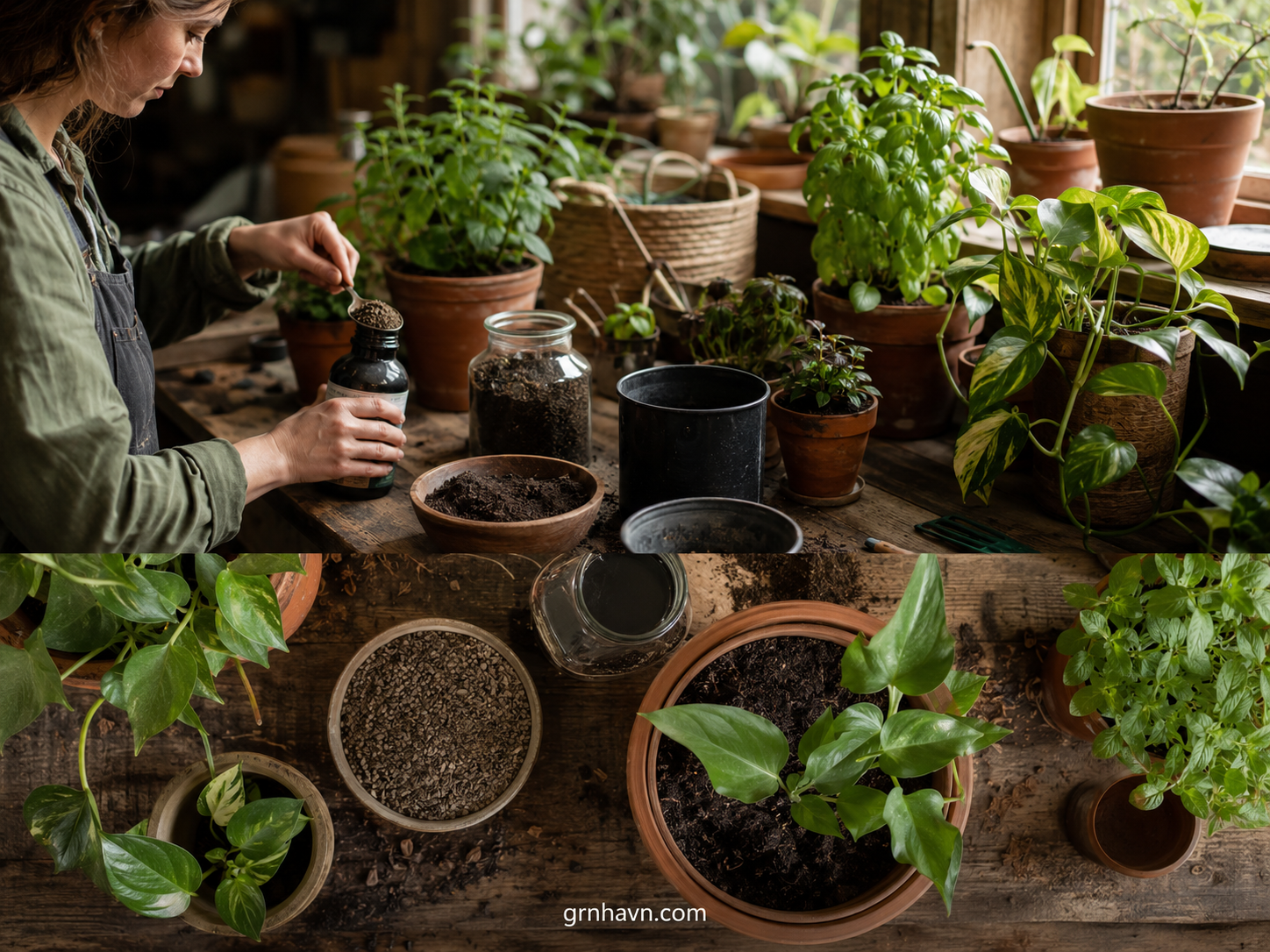
“The secret isn’t feeding more—it’s feeding with confidence.”
Welcome, my friend. Organic fertilizer dosing for containers is one of those gardening topics that sounds simple— until your basil droops, your fiddle-leaf looks dull, or your soil smells too strongly indoors. I’ve learned (sometimes the hard way) that organic fertilizer for container plants works best when you treat it like a recipe: small amounts, right timing, and a little patience. In this guide, I’ll show you exactly how I dose compost dosing, worm castings how to use safely, and the basics of fish emulsion fertilizer dilution—without turning your pot into a nutrient experiment.
We’ll also connect the dots between indoor plant growth and seasonal temperature rhythms—using USDA hardiness zones, frost-date logic, and Europe’s colder months—so you know when to feed and when to pause. Think of this as your calm, best-friend approach to nutrients: warm, practical, and never harsh.
By the end, you’ll be able to dose organic feeds in pots with clarity—knowing what to top-dress, what to mix, how often to apply, and what “too much” looks like. I’ll share real-world cues from container growing and indoor plant care, so you can adjust without panic.
Table of Contents
Organic Fertilizers—What You’re Actually Feeding
Let me say this gently: “organic” doesn’t automatically mean “no risk.” In a garden bed, nutrients can spread out— but in containers, they concentrate. When you dose organic fertilizer in pots, you’re feeding a living process: microbes, mineral release, and (eventually) plant uptake. That’s why your plant can look fine one week and stressed the next—especially if the potting mix is slow to drain or if you’ve already got residual fertility from past feeds.
In my experience with container plants, the biggest win is learning how organic fertilizers behave differently: their nutrients often arrive slower, but they can still accumulate if you keep adding before previous doses finish breaking down. So instead of chasing a “greener overnight” response, we aim for steady, plant-safe progress.
Slow nutrient release (why it’s slower)
Compost, worm castings, and fish emulsion aren’t the same kind of “quick switch” as many synthetic fertilizers. Organic matter must be digested—by microbes in your soil—before nitrogen, phosphorus, and potassium become available in usable forms. That’s the “slow” part.
Nutrient consistency and why to start low
The safer container approach is simple: start low, wait, and observe. If your plant is indoors, light intensity is usually lower than outdoors—so it may not use nutrients as fast. In practical terms: I often choose a “smaller than the label” rhythm at first, then adjust after I see new growth and stable soil moisture.
“You’re not overfeeding—you’re learning your plant’s pace.”
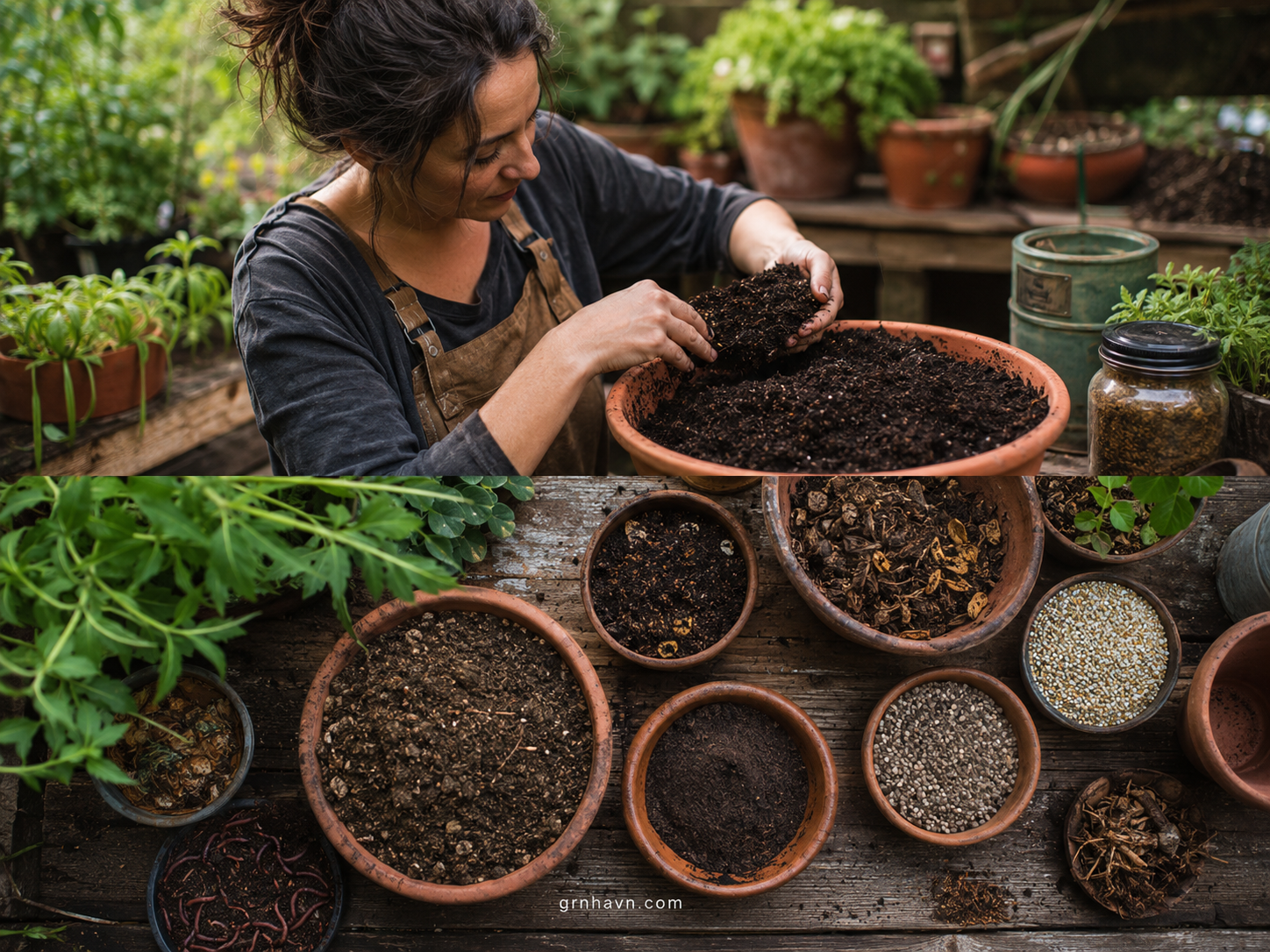
Compost in Containers: How to Use
If compost feels like the “comfort food” of container growing, I agree. But comfort needs boundaries. When compost dosing goes wrong, it’s usually because we either mix too much into the potting mix at once, or we top-dress too frequently without letting the soil cycle. In other words: the plant can’t “work through” the nutrients fast enough, and you end up with stressed roots.
Here’s what I do: I treat compost as a gentle amendment, not a heavy fertilizer. That means choosing the smallest dose that still feels supportive—then watching the results in leaf color, new growth, and watering behavior. With indoor plants, I’m especially cautious during darker months (Europe winter temps and shorter days; US frost logic).
Top-dressing vs mixing in
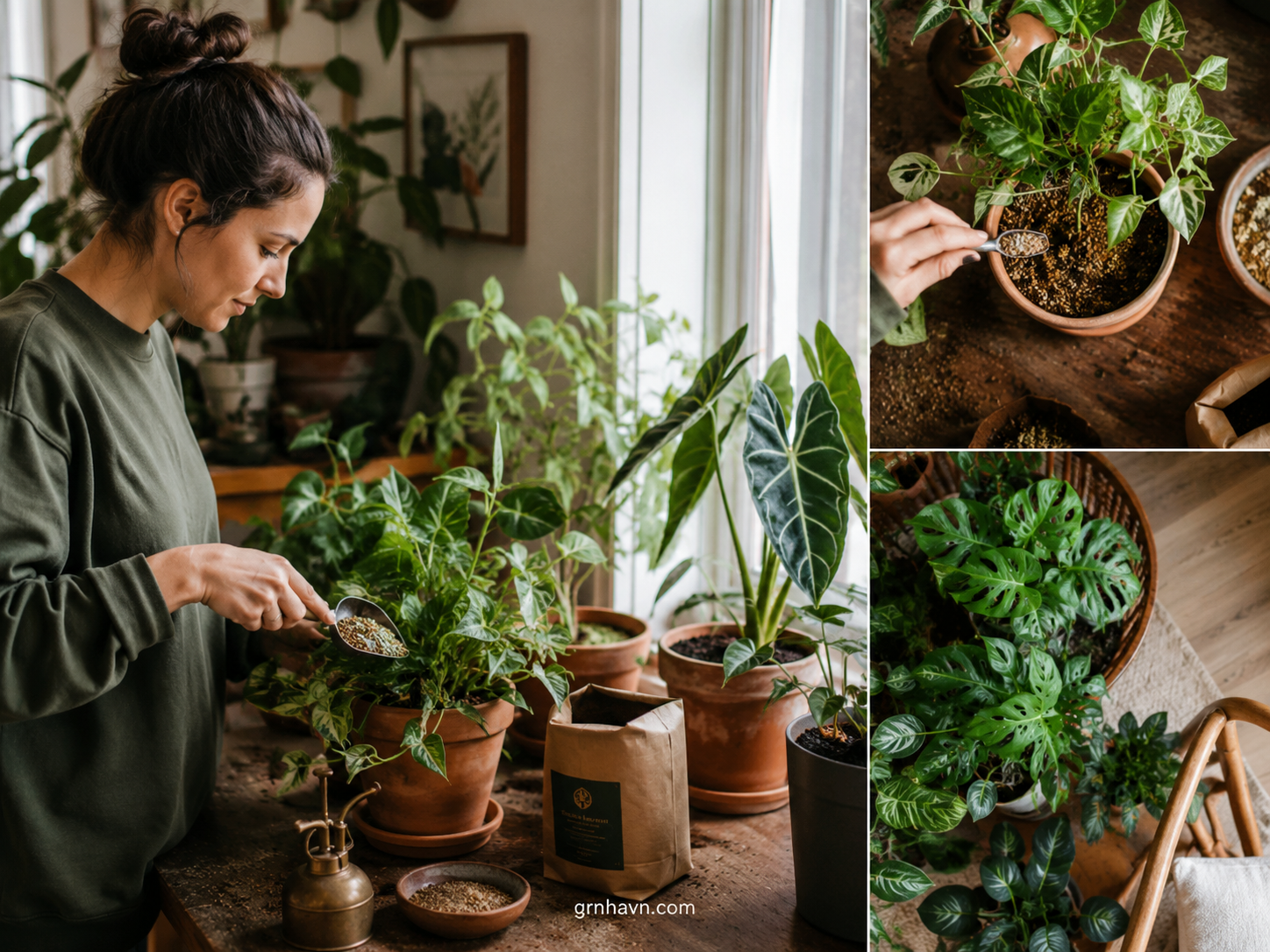
Top-dressing is usually my first choice in containers because it’s slower and easier to control. You add a thin layer on top, then water it in gently. Mixing compost into the entire pot can work, but if you’re unsure of your compost strength, it’s easier to “overdo” and hard to reverse.
Safe amounts for indoor pots
As a starting point (beginner-friendly): use a light top-dress—think a thin sprinkle, not a thick blanket. For many medium indoor pots, I recommend starting with roughly 1–2 tablespoons per application and adjusting based on how quickly your plant grows. If you see leaf tips browning or persistent slow growth with damp soil, pause and let the mix settle. For outdoor container plants, timing matters too: in the US, your USDA zone and frost-date plan tells you when growth starts; in Europe, the shift from cold nights toward steadier warmth (in °C) is your cue to begin feeding again.
“Compost should feel like a whisper—not a shout.”
You can usually find container-friendly compost and potting amendments at local garden centers, hardware stores, or neighborhood nurseries. If you’re in Europe, look for well-screened compost blends labeled for container use. In the US, many nurseries carry “potting compost” or composted blends that are less chunky for pots.
Beginner tip: choose compost that’s fine-textured and not overly fresh. Fresh compost can be too active in small containers. If you’re top-dressing, keep the layer thin and water it in lightly so the nutrients don’t concentrate at the surface.
Ready for quick shopping? Check the options curated for container dosing on Amazon, or compare based on particle size and indoor suitability below.
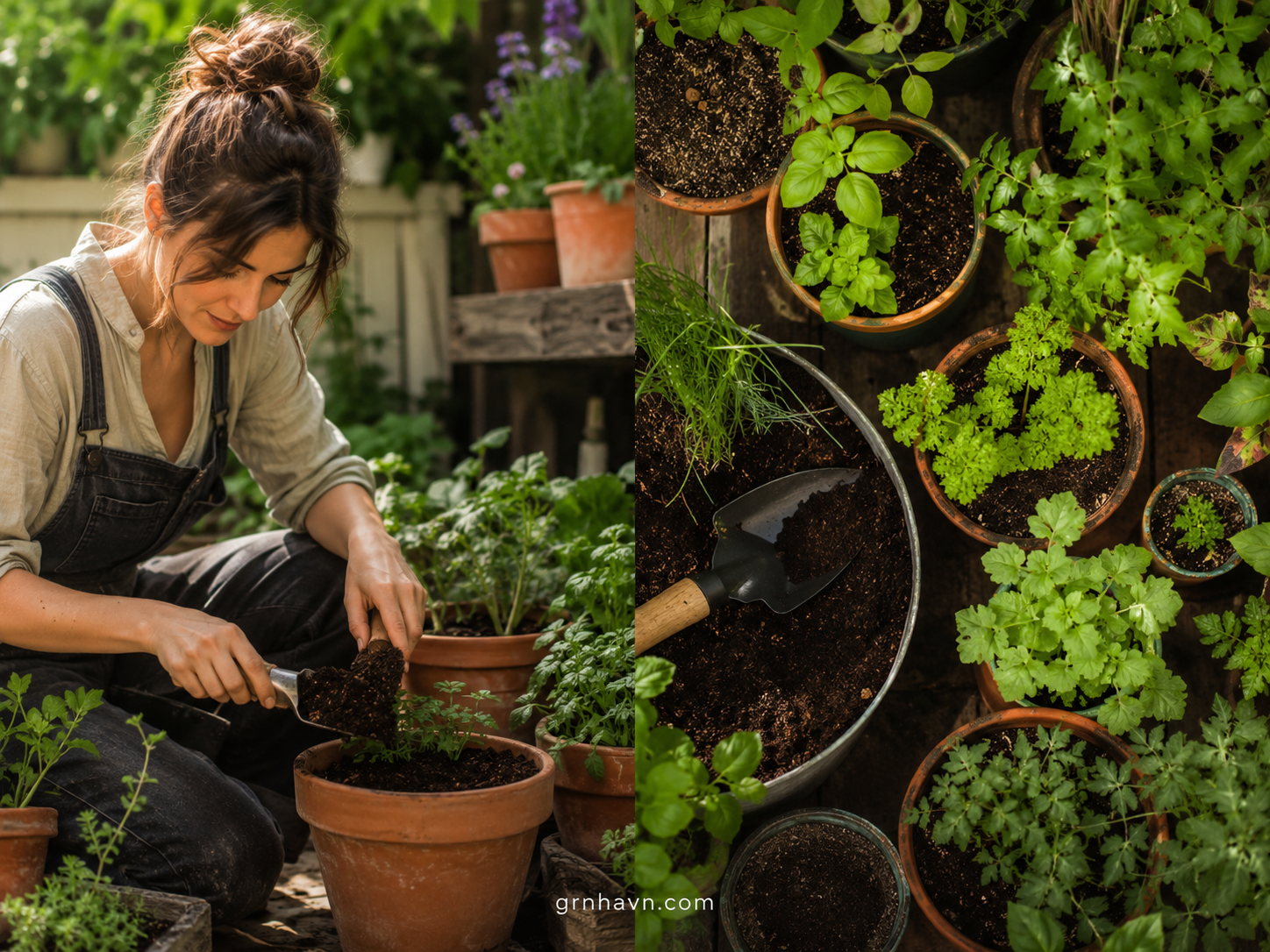
Worm Castings: How to Dose
Worm castings are one of my favorite “safe-feeling” organics—because they’re usually gentle, earthy, and consistent. But even worm castings how to use can be misunderstood. People hear “natural” and keep adding more, thinking it can’t harm. In pots, though, the same rule holds: if you add before your plant has used what’s already available, buildup happens.
Think of worm castings as a slow support for roots. When applied correctly, you can see improved texture, healthier growth rhythm, and a calmer soil environment. When applied too heavily, you may notice dull leaves, slowed growth, or soil staying wet longer than expected.
How often to top-dress
For many indoor container plants, a light top-dress every 4–6 weeks during brighter growth periods is a strong starting rhythm. In darker months, stretch the gap—think longer than a “summer schedule.” A good emotional truth: your plant isn’t being dramatic; it’s just conserving energy when light drops.
Signs you used too much
If your pot stays damp longer, smells stronger than usual, or you see yellowing with mushy soil texture, scale back. Another subtle sign: new growth slows down rather than speeds up. That’s your cue to pause and give the soil time to balance.
“Castings are nurturing—until the pot can’t breathe anymore.”
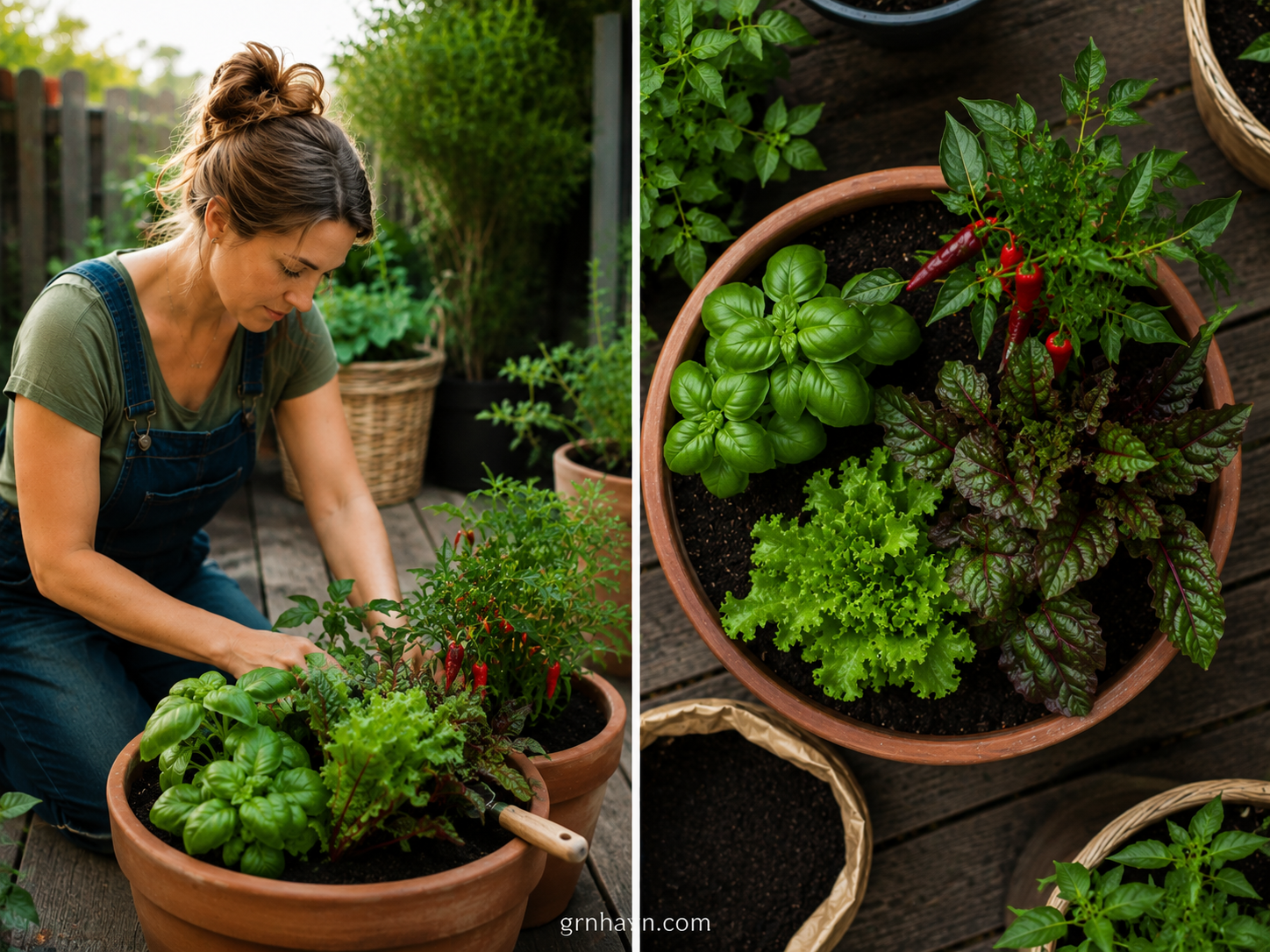
Fish Emulsion: Dilution Basics
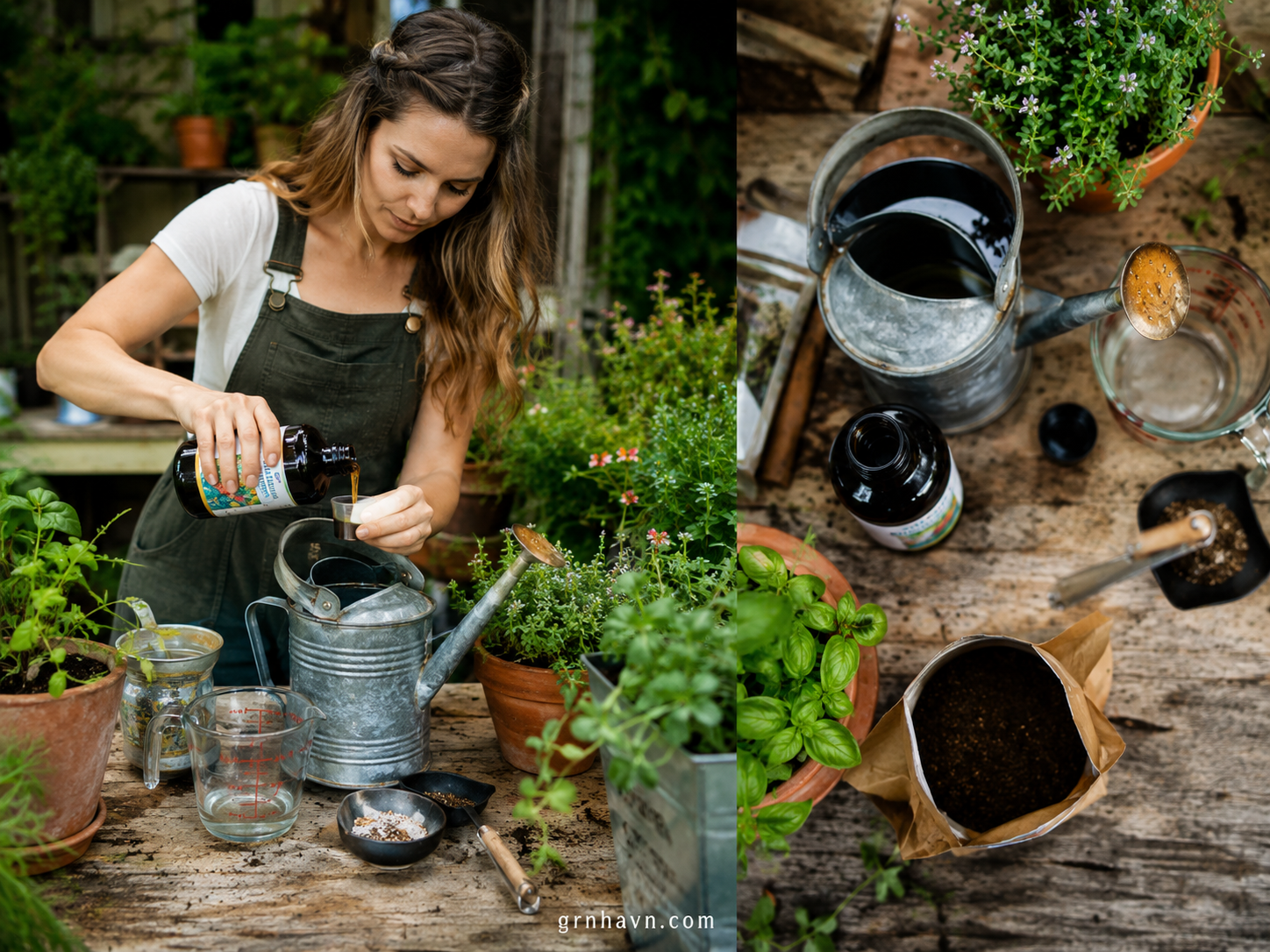
Fish emulsion is one of those fertilizers that can be incredible—if you dilute it correctly. When it’s undiluted or concentrated too much, it can overwhelm roots. In containers, that risk rises because you have less soil volume to buffer nutrients. That’s why fish emulsion fertilizer dilution is not a “skip the steps” moment—it’s the whole point.
I always remind people: label first. Organic liquid products vary by brand, concentration, and how they were processed. So while I’ll give you the safe workflow, your label determines the exact numbers.
How to dilute (label first)
Start with the label dilution guidance—but if you’re new to organic liquid feeding, err on the gentler side. If the label says 1 tablespoon per gallon, I often guide beginners toward a smaller starting dose and only increase after plants respond. For reference conversions: 1 US gallon = 3.8 liters. For outdoor containers, you may measure in liters; indoors many people use smaller volumes—so keep it consistent.
When to apply (growth stage)
Apply fish emulsion when your plant is actually growing: new leaves, active stems, and consistent watering patterns. If your plant is sluggish (winter indoor light, nighttime temps dipping in both US and Europe), reduce frequency. A simple growth logic: when daytime temps are closer to comfortable “active growth” ranges (think not near freezing; use °F / °C and watch for frost-date timing outdoors), nutrients get used—when it’s cold and dark, they sit longer and risk buildup.
“Liquid feeds work fast—so we feed with kindness first.”
In most places, fish emulsion can be found at garden centers, nurseries, and home improvement stores. In the US it’s common in spring product aisles; in Europe you’ll often see it under organic liquid feeding sections. If you shop online, compare concentrations and look for a clear dilution label.
Beginner buying tip: choose a brand with straightforward instructions and a dilution chart. If you’re feeding indoor plants, consider forms marketed for reduced odor and use lower frequency at first. Always dilute—never “test” by skipping dilution.
Want the fastest route? Use the Amazon link below for fish emulsion fertilizer options, or review the comparison list for easier selection.
Organic Liquid Feeds vs Synthetic Liquid Feeds
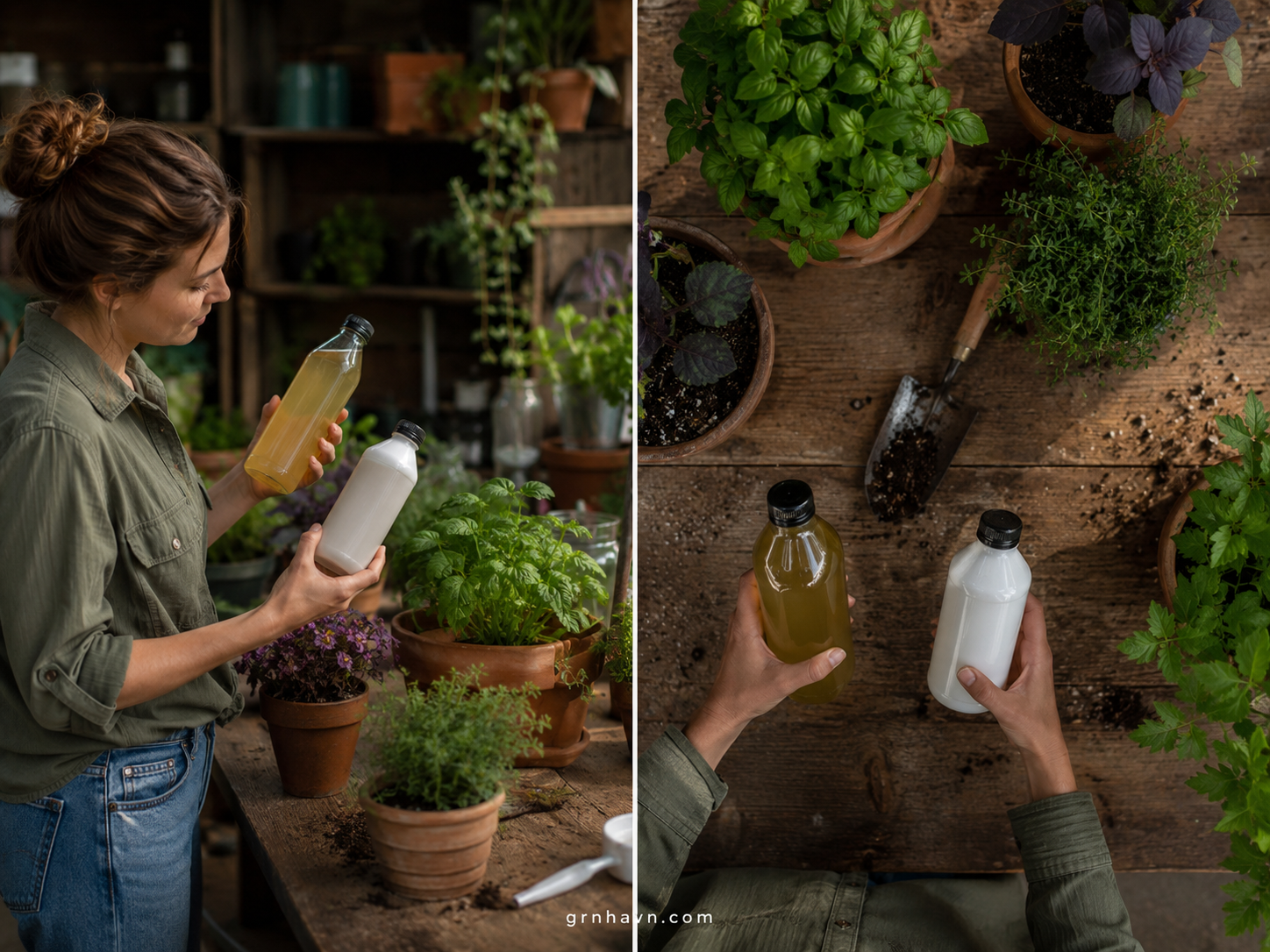
Here’s the honest overlap: both organic liquid feeds and synthetic liquids can still cause overfeeding. In containers, the difference is often how fast nutrients become available—not that they’re guaranteed safe. That’s why your routine matters more than the “label style.”
My opinion, after lots of indoor plant care conversations and case-study style feedback: organic liquids can feel more forgiving when you dilute correctly and feed less frequently. But when people “top up” weekly like a habit, organic can build up too.
Similar risks of overfeeding
Overfeeding shows up as salt stress, root slowdown, and leaf tip issues—whether the source is organic or synthetic. If your soil stays wet and compact, salts (and dissolved nutrients) can accumulate. The container answer: feed less often, dilute properly, and make sure your pot drains well.
“Choose the fertilizer—but practice the restraint.”
Organic Feeding Schedule for Indoor Plants
If you’ve ever fertilized in winter and wondered why nothing improved, this section is your reset button. Indoor plants still follow seasonal rhythms—but the pace depends on light, temperature, and your watering habits. A “calendar schedule” alone rarely works. Instead, use growth cues.
I blend two systems when planning: (1) outdoor frost logic for when your plants can truly “switch on,” and (2) indoor light reality. In the US, I reference USDA hardiness zones and frost-date timing. In Europe, I track cooler temperature stretches (in °C) and daylight changes—because plants respond to energy, not just dates.
Spring/summer vs fall/winter adjustments
During spring and summer (or when your indoor plants are receiving brighter, steadier light), you can feed more consistently: compost top-dress lightly, worm castings every 4–6 weeks, and diluted fish emulsion occasionally based on growth. During fall/winter—especially if temperatures dip (or your home is cooler)—reduce frequency. If you notice slower growth, pause feeds and focus on watering consistency. Think in weeks, not days.
“Your plant’s ‘hungry season’ is shorter than you think.”
Conclusion
Organic Fertilizer Dosing for Containers isn’t about perfection—it’s about calm observation. In your pots, the stakes feel bigger because soil volume is small. But that’s also the good news: once you learn the rhythm, feeding becomes predictable and safe. Start low, dilute liquids, top-dress gently, and let plants show you what they need.
If you take one mindset with you, make it this: feed in response to growth. When light and temperature support activity (whether you’re using USDA hardiness zone logic outdoors or watching indoor winter light), your plants can use nutrients. When they’re conserving energy, you pause. That’s how container plants stay healthy without overfeeding—and how you feel confident, not anxious.
“You’re building trust with your soil—dose by dose.”
Common Mistakes (That Feel Like “Fertilizer Problems”)
Most issues people blame on organic fertilizer dosing are actually moisture, light, or timing issues wearing a fertilizer costume. Here are the patterns I see most often:
- Overwatering after feeding: wet soil + nutrients can stress roots.
- Feeding during low-light slowdown: nutrients sit longer, increasing risk.
- Mixing heavy compost at once: harder to control in small pots.
- Skipping dilution for fish emulsion: “organic” still needs proper dilution.
- Not checking drainage: no airflow + compacted mix = trouble.
- Ignoring growth cues: calendar-only feeding leads to buildup.
“Most fertilizer mistakes are timing mistakes.”
FAQ: Organic Fertilizer Dosing for Containers
1. Is organic fertilizer safer than synthetic fertilizer?
In my experience, organic fertilizer can feel gentler because nutrients often release more slowly—especially compost and worm castings. But “safer” depends on dilution, drainage, and how often you feed. In containers, both types can cause stress if over-applied. The safest approach is always: start low, observe growth, and avoid watering overload right after feeding.
2. Can organic fertilizer still cause fertilizer burn in pots?
Yes—organic can still contribute to root stress in pots. Fertilizer burn often comes from dissolved nutrients accumulating faster than roots can handle, or from inconsistent watering that leaves salts concentrated. If your plant shows brown tips, slowed growth, or stressed leaf edges, pause feeding and check soil moisture and drainage first.
3. How much compost should I add to a pot?
For most indoor containers, I recommend starting with a light top-dress (a thin layer) rather than mixing lots into the whole pot. A practical starting point is 1–2 tablespoons per application for many medium pots, then adjust based on plant response. If growth is slow, reduce frequency before you increase dose.
4. Should I top-dress or mix compost into potting soil?
Top-dressing is usually the calmer choice in containers. It’s easier to control, less disruptive to roots, and slower to release. Mixing can work, but it’s harder to “undo” if the compost is strong or if you added too much. If you’re new, choose top-dressing.
5. How often should I use worm castings?
A beginner-friendly rhythm is roughly every 4–6 weeks during brighter growth periods, and less often during darker seasons. I base timing on growth cues: new leaves, steady watering cycles, and active stems. If your plant is conserving energy, give it fewer “nutrient events.”
6. How do I use worm castings without overfeeding?
Use a small top-dress and water it in gently—then wait. In small pots, buildup happens faster than you expect, so resist the urge to repeat quickly. If soil stays wet for long periods or the plant looks dull despite fertilizing, pause and let the pot reset.
7. How do I dilute fish emulsion for houseplants?
Always start with the label first. Then, if you’re new, begin on the gentler side. For example, since fish emulsion is often dosed per gallon, convert carefully (1 gallon ≈ 3.8 liters). Mix thoroughly in water, and apply when the plant is actively growing—not when it’s stalled by low light or cooler indoor temperatures.
8. What’s the difference between fish emulsion and seaweed fertilizer?
Fish emulsion is usually richer in nitrogen-based nutrition and plant-available feeding, while seaweed often supports micronutrients and growth hormones-like compounds. Both can be helpful. The key for containers is still the same: follow dilution guidance, apply at growth stages, and avoid stacking multiple feeds too frequently.
9. Are worm teas safe for indoor plants?
They can be safe, but only if they’re prepared properly, don’t smell “fermented,” and are used lightly. I prefer starting with castings themselves (top-dress) for beginners because it’s easier to control. If you use worm tea, use diluted amounts and avoid frequent applications in small indoor pots.
10. How long does organic fertilizer take to show results?
Compost and worm castings may take longer—often weeks—because microbes need time to release nutrients. Fish emulsion can show signs faster, but it still depends on light and temperature. For container plants indoors, I usually treat results as a “noticeable trend,” not an overnight change.
11. Can I fertilize every week with organic fertilizer?
Often, no—especially in containers and especially indoors. Weekly feeding can lead to nutrient accumulation if your plant can’t use nutrients quickly. A safer pattern is less frequent feeding during active growth, and pause or reduce during darker seasons.
12. Which organic fertilizer is best for flowering plants?
For flowering plants in containers, you’ll typically want balanced nutrition when buds form. Fish emulsion can help with nitrogen for growth, while compost/worm castings support steady soil life. Always feed based on growth stage, and avoid pushing fertilizer late in the season.
13. Which organic fertilizer is best for leafy growth?
For leafy growth, worm castings and compost are great for steady support, and diluted fish emulsion can give an extra boost when your plant is actively growing. The best “leaf fertilizer” is still the one that matches your plant’s pace—so start low and adjust.
14. How do I prevent smells when using organic feeds indoors?
The smell usually comes from strong organics, over-concentrated liquid, or slow-drying wet soil. Use proper dilution, feed less frequently, ensure good drainage, and consider applying liquid on a schedule that lets the pot dry slightly before the next watering. Fresh air and ventilation help a lot.
15. Do I need to fertilize organic-fed plants less often?
Often, yes—especially for compost and worm castings—because release tends to be slower. But it’s not automatic. Container size, potting mix, light, and watering all determine how often you should feed. I recommend trusting growth cues over routines.