When & How to Winterize
Vegetable Gardens, Herb Beds & Potted Plants
it simply asks you to care a little smarter.”
If you’ve ever stood in your garden and thought, “I did everything right… so why does it still look tired?”—I promise you’re not alone. The truth is, winterizing isn’t just about covering plants. It’s about timing, gentle protection, and understanding what your soil (and your weather) are truly doing. Winterize Vegetable Gardens, Herb Beds & Potted Plants with a calm, season-aware plan—and you’ll step into spring with beds that feel ready, not recovered.
In my own practice (and the gardens I’ve helped over multiple seasons), I’ve learned the most reliable approach isn’t one-size-fits-all. It’s zone logic, frost-date reality, and plant-specific care—especially when you mix ground veggies, fragrant herb beds, and containers that freeze differently. When you winterize with intention, you reduce root stress, limit winter rot, and help plants “sleep” safely rather than suffer suddenly.
Below, you’ll get a full-season rhythm: what to do before the first hard freeze, how to protect herbs without suffocating them, how to winterize potted plants so the root zone stays stable, and what to avoid (yes—overwatering and late pruning). I’ll also show you the “why” behind each step—because the moment you understand it emotionally and practically, you stop fearing winter and start trusting it.
My promise to you (Warm, Practical, And Actually Doable)
- USDA hardiness + frost-date logic (with quick Europe temperature timing ideas)
- What to do in order for vegetable beds, herb beds, and potted plants
- What not to do (common mistakes that quietly harm roots)
- A printable checklist you can use in one cozy afternoon
Plan around your first hard frost. In USDA zones, this often means moving into protection roughly 2–3 weeks before your average hard-freeze date.
Pots lose heat quicker than in-ground soil—insulate root zones and consider moving the most sensitive pots to sheltered spots.
Late-season watering should be deep and minimal—enough for soil moisture, not enough to create soggy freeze-thaw stress.
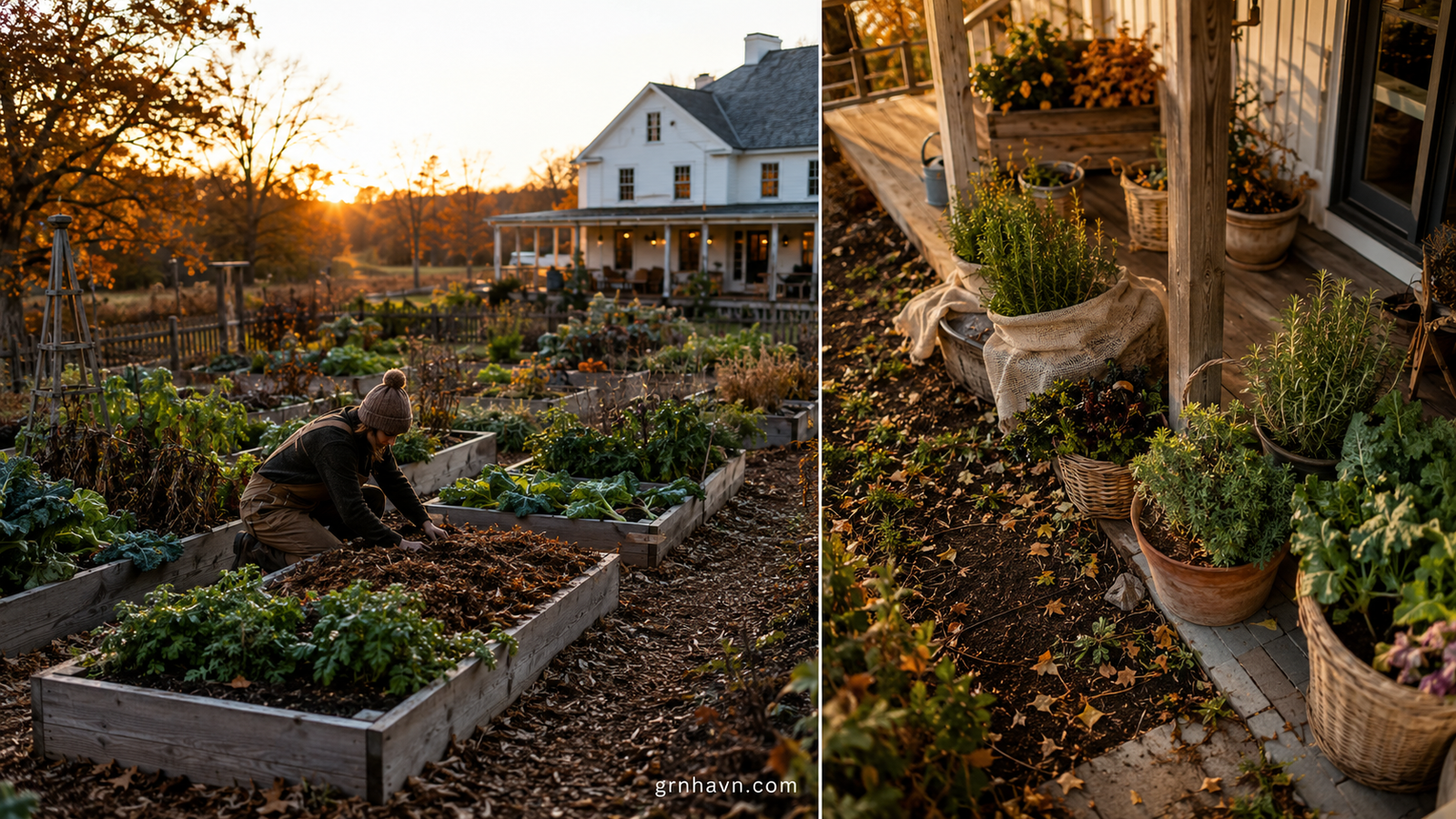
On This Long-Scroll Guide
- 1. How to Winterize Your Vegetable Garden↗
- 2. Preparing Vegetable Garden For Winter↗
- 3. How To Winterize Herb Garden↗
- 4. How To Winterize Plants In Pots↗
- 5. How To Winterize Garden In Pots↗
- 6. How To Winterize Garden Containers↗
- 7. Winterize Garden Containers↗
- 8. How To Winterize Plants To Bring Inside↗
- 9. Plant Bulbs Before Winter (Container/Beginning Of Winter)↗
- 10. Preparing Your Garden For Winter (Container/Veg Note)↗
- 11. How To Winterize Gardenia Plant (If In Pot)↗
- 12. Winterize Plants In Pots (Final Layer Mindset)↗
- What Not to Do (overwatering/late pruning)↗
- Common Mistakes↗
- Final Printable Checklist↗
How To Winterize Your Vegetable Garden
Winterizing a vegetable garden feels dramatic from the outside—like you’re “closing the chapter.” But I treat it more like finishing a letter: you want it tidy, protected, and ready to be reopened in spring. Start with the calendar truth: most gardeners should begin winter steps after harvest is done and temperatures start hovering near frost. If you’re using USDA hardiness zones, think in terms of your average hard-freeze period. For example, if your first hard freeze is around late October or early November, your protective steps usually land in the 2–3 week window before. In Europe, where “hard frost” can vary by coastal vs inland areas, use frost-date logic plus a simple temperature feel: once nighttime lows consistently dip near 26–28°F (about -3 to -2°C), begin sheltering strategies.
In my experience, the emotional win comes when you stop trying to “save” every leaf and focus on the soil ecosystem instead. Clear diseased or damaged plants, remove heavy weeds, and keep roots from going through too many freeze-thaw cycles. Add mulch thoughtfully: aim for about 2–4 inches (5–10 cm) of protective organic layer, not a suffocating blanket. Then, if you have a microclimate (like a windbreak or a south-facing wall), use it. Not every bed needs identical armor—some just need calm, stable conditions.
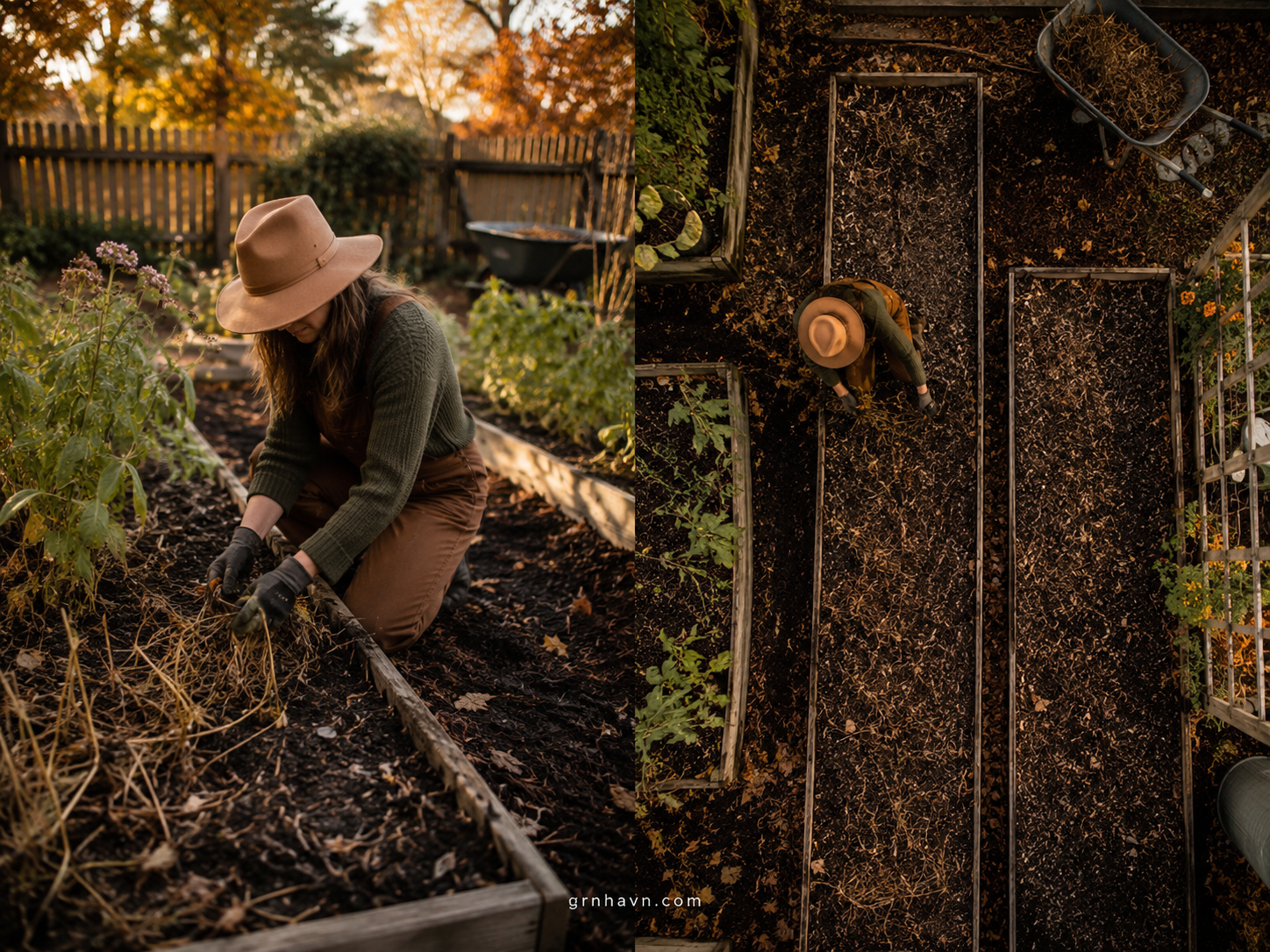
Preparing Vegetable Garden For Winter
This is the part I always describe like “winter logistics.” Your goal is to reduce stress and prevent root problems—not to create a greenhouse. First, clean up with intention: pull spent crops, remove plant debris that could harbor diseases, and don’t leave soggy piles that hold moisture. If you’ve had pests or fungal issues, I recommend composting only healthy material and disposing of problem plants (I’ve seen too many “hope compost” seasons backfire). Next, consider soil structure. In beds that need it, a light top-dress with compost can support microbial life, but keep it modest—especially where winters are wet.
Then, mulch and protect. For many vegetable beds, the sweet spot is 2–4 inches (5–10 cm) of mulch around plants and along rows. If you use a thicker layer, be extra careful with airflow. Herbs and some crops dislike being buried so deeply that crowns stay constantly wet. Water logic matters, too: before hard frost, water deeply if the soil is dry, then pause. After that, let winter take over. Overwatering late in the season is a common emotional trap—because it feels caring—but soggy soil freezes unevenly and can damage roots.
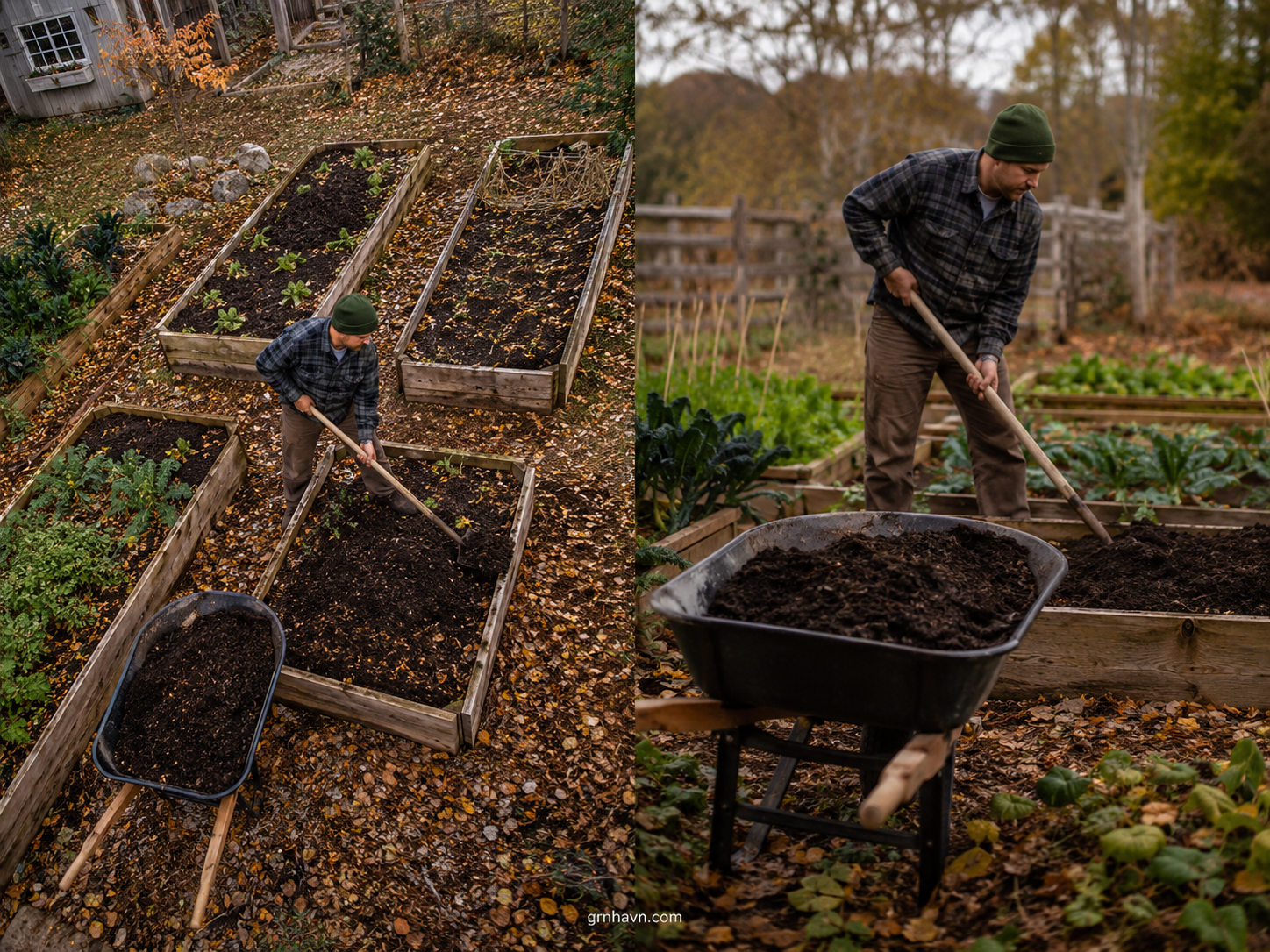
How To Winterize Herb Garden
Herbs are the cozy introverts of the garden: they prefer gentle consistency. Many gardeners underestimate how much winter moisture affects flavor next season. I’ve had years where everything looked fine—until spring revealed soft crowns and dull growth. For herb beds, your key is balancing insulation with breathability. Start by harvesting lightly (and you’ll get better culinary rewards), then tidy only what’s truly spent. If the stems are still healthy, you don’t need to aggressively cut everything back.
For timing, align with your frost reality. In USDA zones, begin herb protection when hard-freeze risk rises. As a practical benchmark, once nights regularly reach around 28°F (-2°C), I start adding mulch and wind protection. In Europe, if you’re coastal with damp winters, your biggest enemy is often wet cold, not dry cold. Use mulch, but keep it away from crowns where possible, and consider a simple protective cloche or low tunnel for delicate varieties. I also favor a “thin-but-smart” layer—about 2–3 inches (5–8 cm)—because it insulates without trapping water.
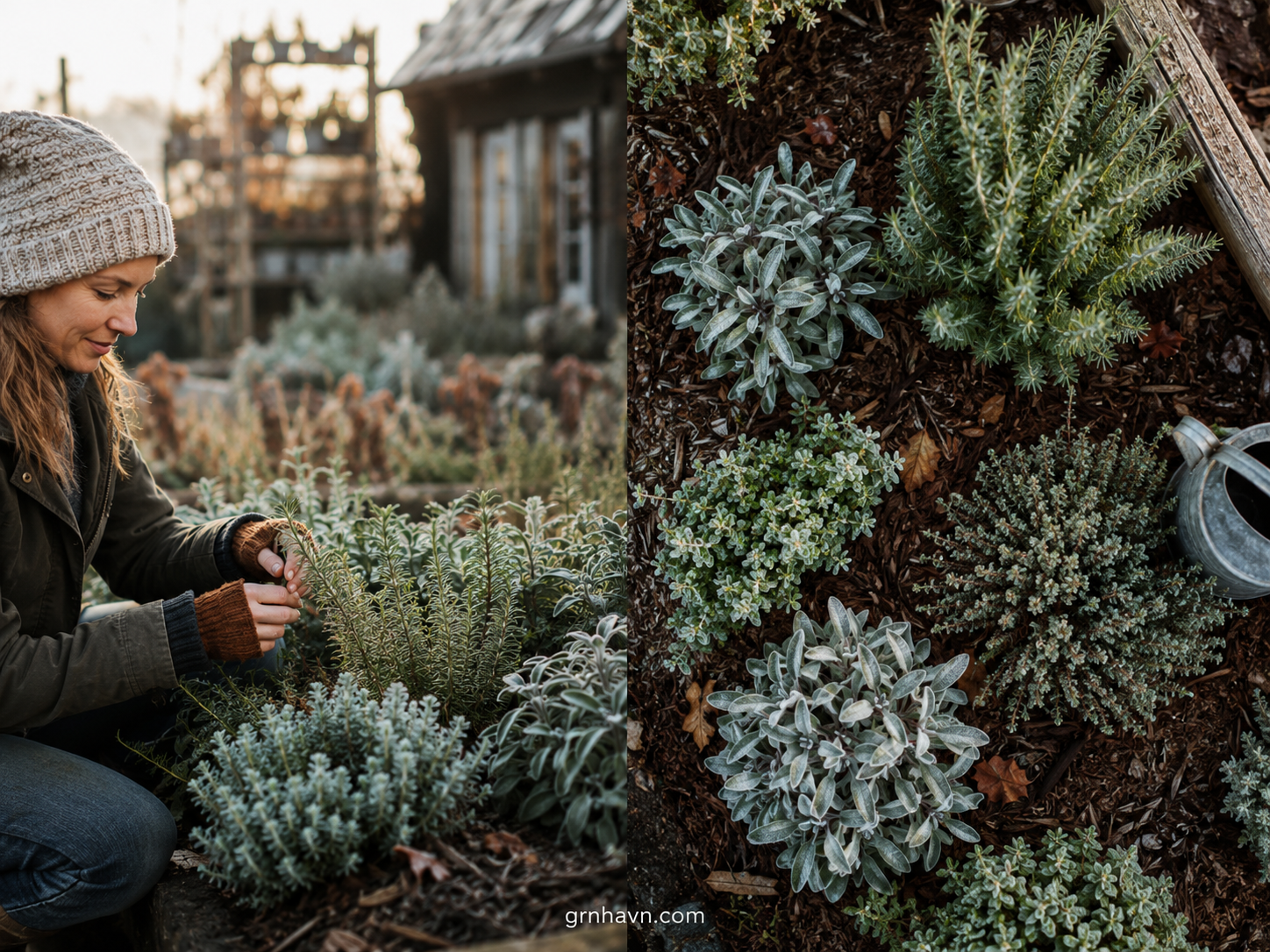
How To Winterize Plants In Pots
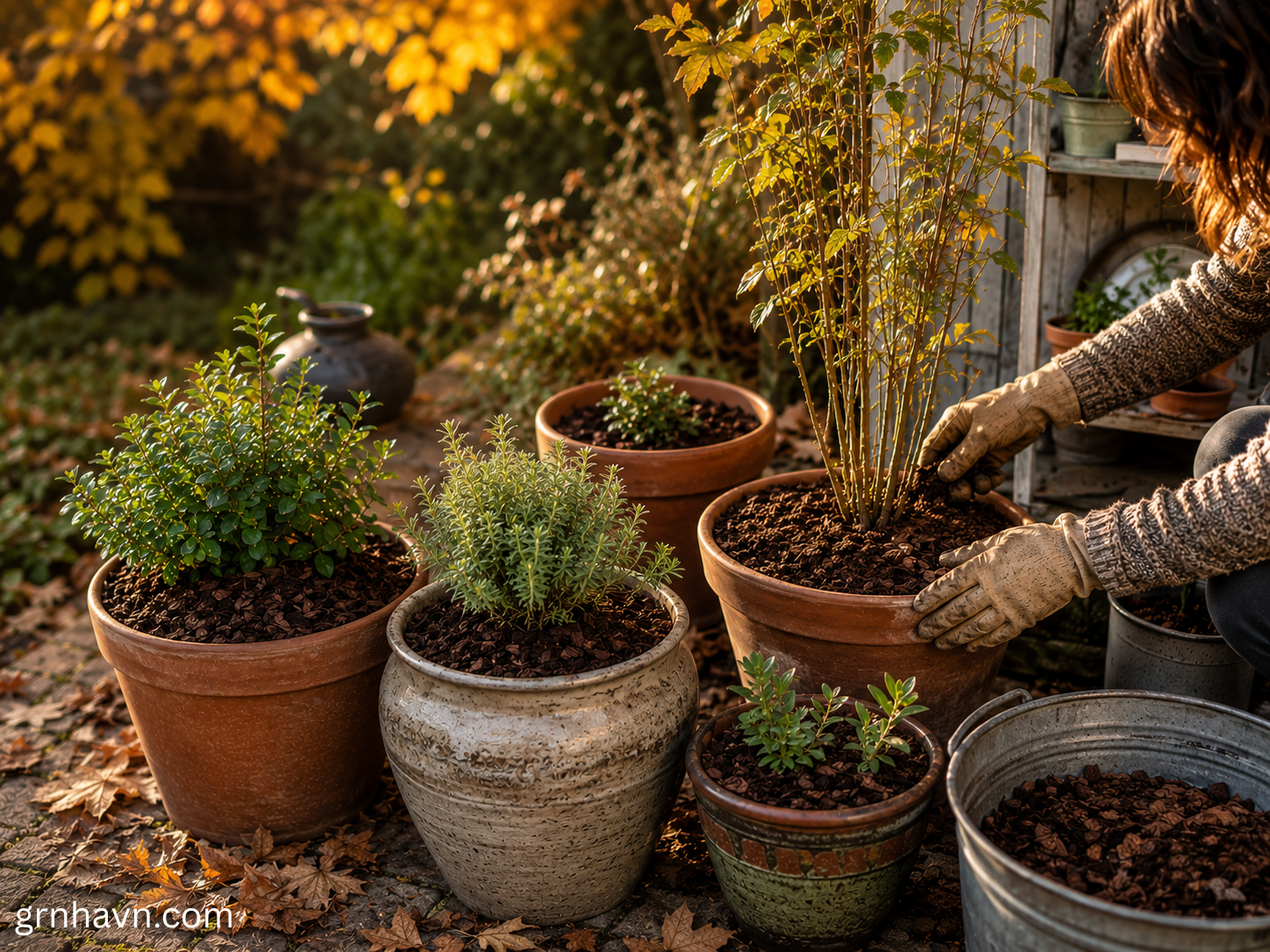
Here’s the honest truth: winterizing in pots is harder than garden beds—because containers don’t have the thermal buffering that ground soil does. Pots freeze from the sides, and roots can suffer even when your plants “look okay.” My rule is simple: protect the root zone, not just the stems. Start by grouping pots together to create a shared micro-shelter. Then insulate the outside: wrap pots with burlap or frost cloth, and add a base layer (like wood feet or foam boards) so the bottom isn’t in direct freezing contact with the ground.
Water carefully. Pre-freeze, water just enough that the root ball isn’t bone dry. After that, reduce watering—especially if you’re expecting wet cold. In many regions, a helpful guideline is to water deeply only when the top inch (2.5 cm) feels dry and temperatures are above freezing. For timing: bring protection in once your nighttime lows hover near frost thresholds. If you’re in a colder US USDA zone, think “hard freeze soon” and insulate in the 2–3 week lead-up. In Europe, combine your local frost logic with exposure: wind can dry and chill containers faster than you expect.
You can often find frost cloth, burlap, and basic pot insulation wraps at your neighborhood garden center, home improvement store, or local grocery/home shop during seasonal season-start periods. Quick tip: wrap the pot loosely so air can circulate—especially around crowns.
For a second option, check local markets, thrift stores, hardware shops, or Facebook Marketplace for unused garden covers. You may also want a couple of supporting items like twine, sturdy plant saucers, and small foam boards or wood feet to lift containers off cold ground.
Prefer online? Compare options on Amazon or use the curated product comparison list below for hassle-free shopping.
How To Winterize Garden In Pots
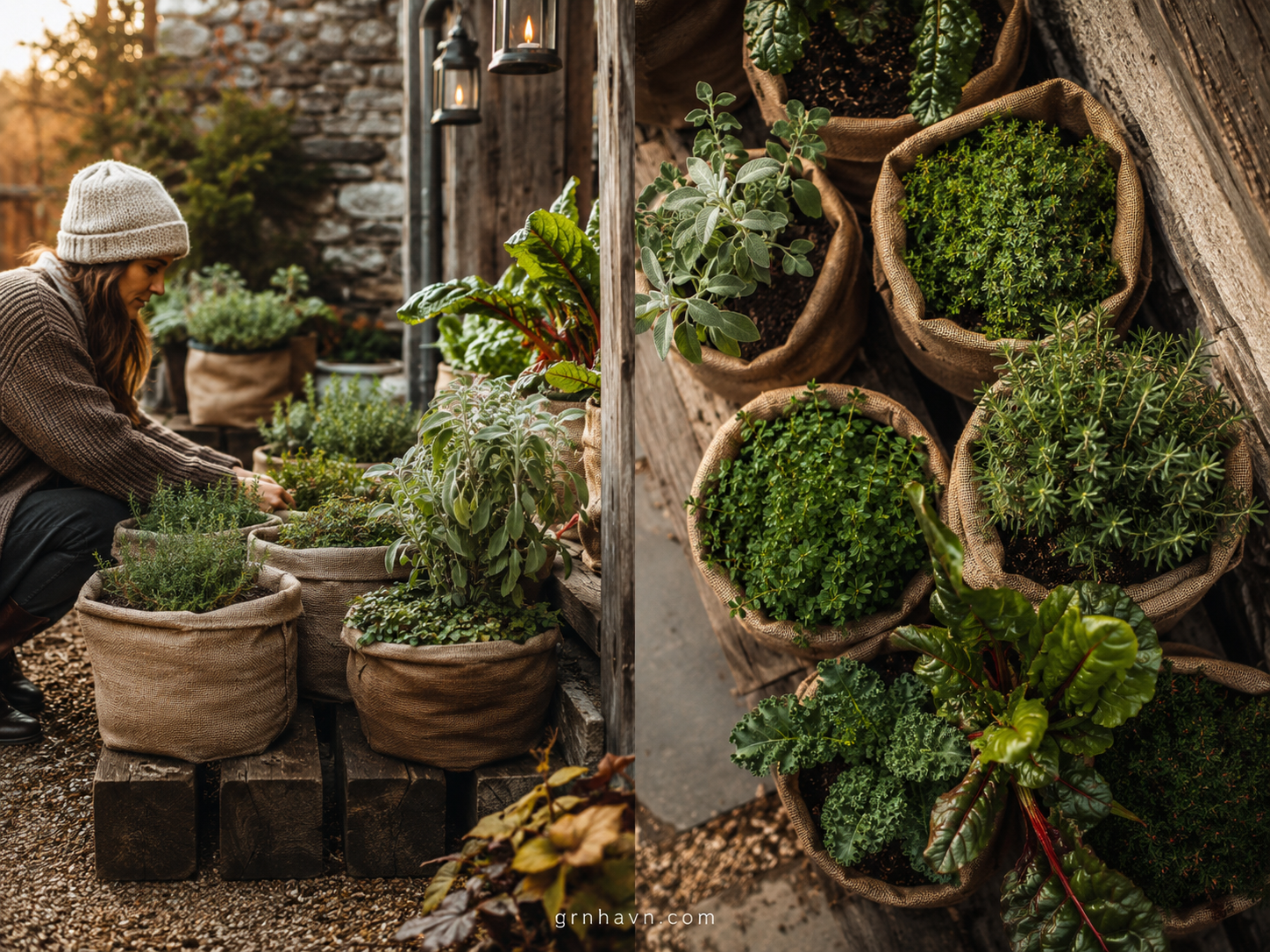
When people say “garden in pots,” they often mean a mix—containers with veggies, herbs, and sometimes flowers. I think of it as building a winter micro-landscape. The first step is practical triage: separate plants by sensitivity. Hardy herbs might only need mulch and shelter from wind, while tender greens in containers often need to be moved or protected with extra insulation. If your pots are near a wall, use that warmth advantage—south or west-facing areas tend to stay a bit steadier.
Next, check drainage. Winter failure is frequently drainage failure. If your pots don’t drain well, freeze-thaw cycles can cause root damage. Ensure your container mix isn’t overly compacted, and avoid thick top layers that trap water. If you notice water pooling after a rain, it’s better to fix it now than to “wait and see.” I also suggest a light top mulch (again, not too thick) to moderate temperature swings. For watering: pre-freeze moisture is good; constant wetness is not. In colder climates, you’ll often get better results with watering only when temperatures are above freezing and the top portion of soil begins to dry.
How To Winterize Garden Containers
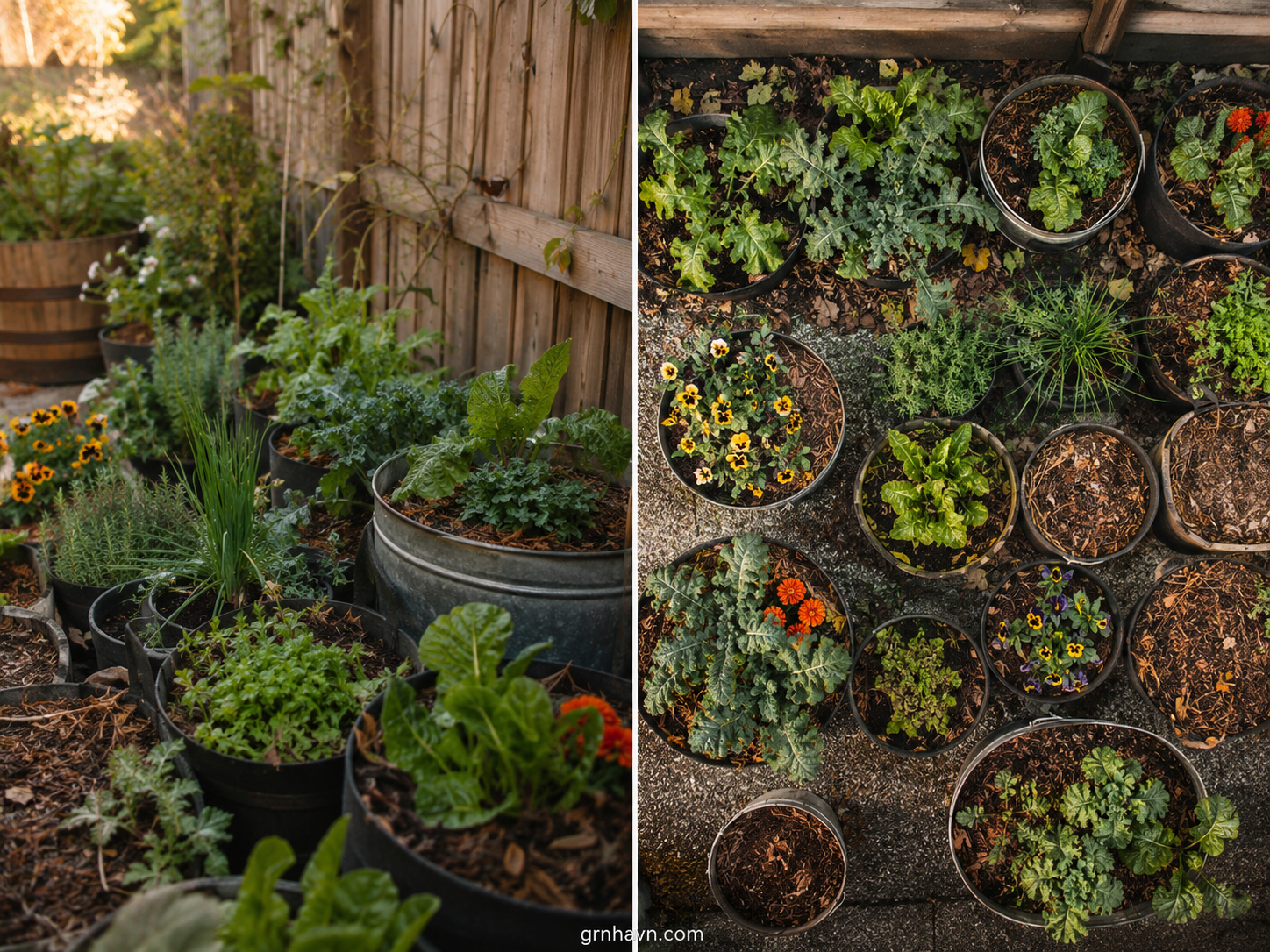
Containers are like small homes. Winter asks for insulation, ventilation, and a safe address. Start by moving containers that are most sensitive to spots that reduce wind exposure. A corner of a patio, a wall-side nook, or a sheltered porch can make a meaningful difference in root temperature. For insulation, wrap the sides and protect the base. If your containers sit directly on cold pavement, roots tend to suffer earlier. I often use a simple lift (wood blocks or foam boards) and wrap the pot with breathable material.
Then: choose the right mulch strategy. For container soil, a thin mulch layer can help moderate surface temperature, but avoid packing it down too tightly. If you use a heavier covering, remove it during occasional warm spells so moisture doesn’t trap. In the US, match your protection to USDA zone timing and frost-date logic. In Europe, use local frost/temperature patterns and pay attention to rainy months—wet cold is more damaging than dry cold for many container plants. My “case-study” takeaway from repeated seasons is that containers benefit from consistent micro-care: fewer dramatic interventions, more stable conditions.
Winterize Garden Containers
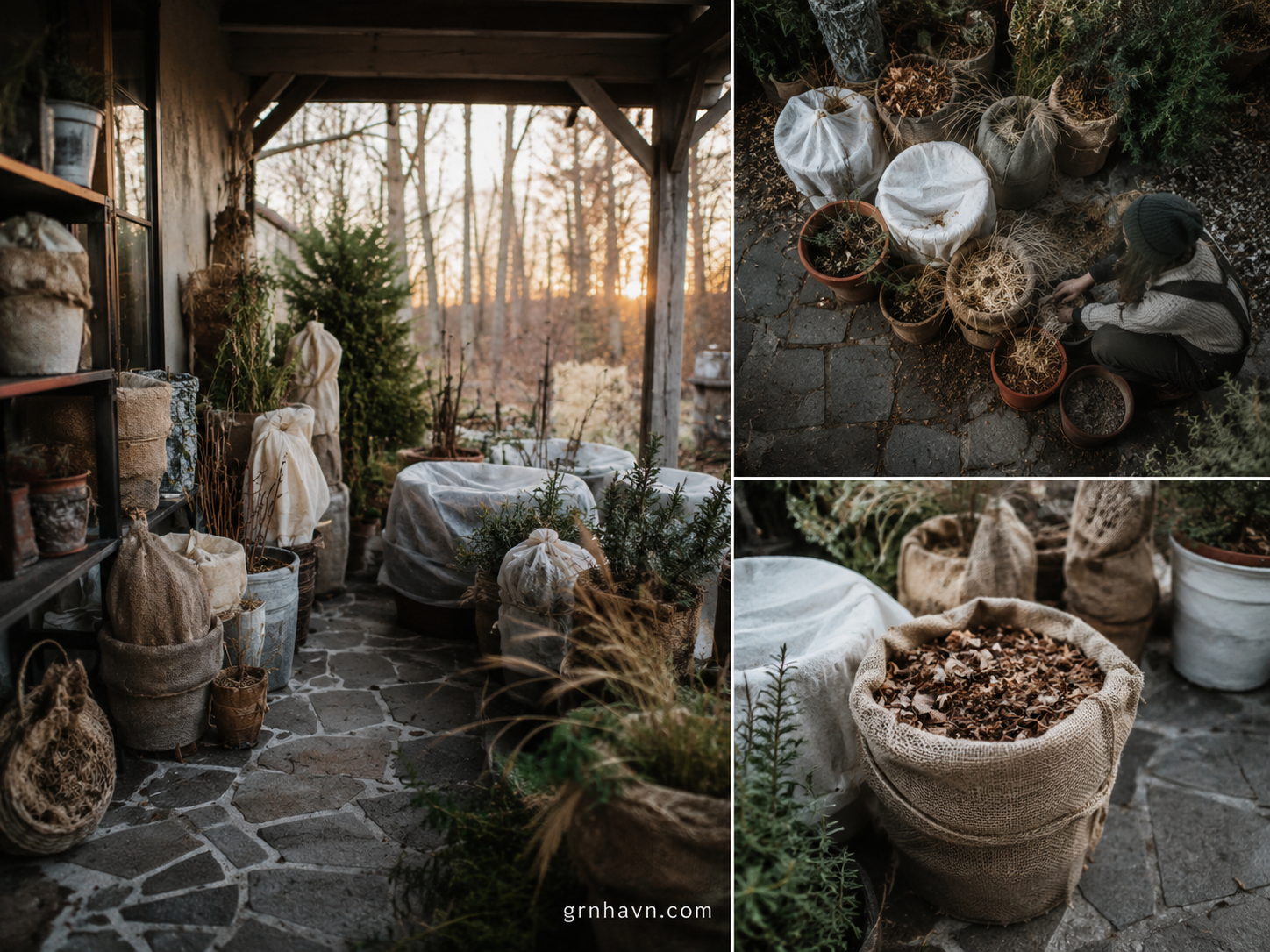
This section is your “deep winter layer,” the part you do after the first protective steps are in place. I like to think of it as adding a final cozy wrap—like tucking in a blanket, not smothering under quilts. Start with the most at-risk containers: small pots, terracotta (which can crack in extreme cold), and plants with shallow root systems. If you can, move small containers closer to the building or into a sheltered spot.
Next, protect from extremes. Terracotta can be vulnerable to freeze expansion—so consider wrapping or using insulation sleeves. For many pot gardeners, the simple “lift + wrap + shelter” approach is more reliable than complex setups. Add a mulch layer on top of soil for moderation, but keep it breathable. Then, monitor water needs only when temperatures rise above freezing for a short window. Overwatering in cold weather is one of those mistakes that doesn’t show up immediately—it shows up as spring sadness: soft roots, stunted growth, and plants that never fully recover.
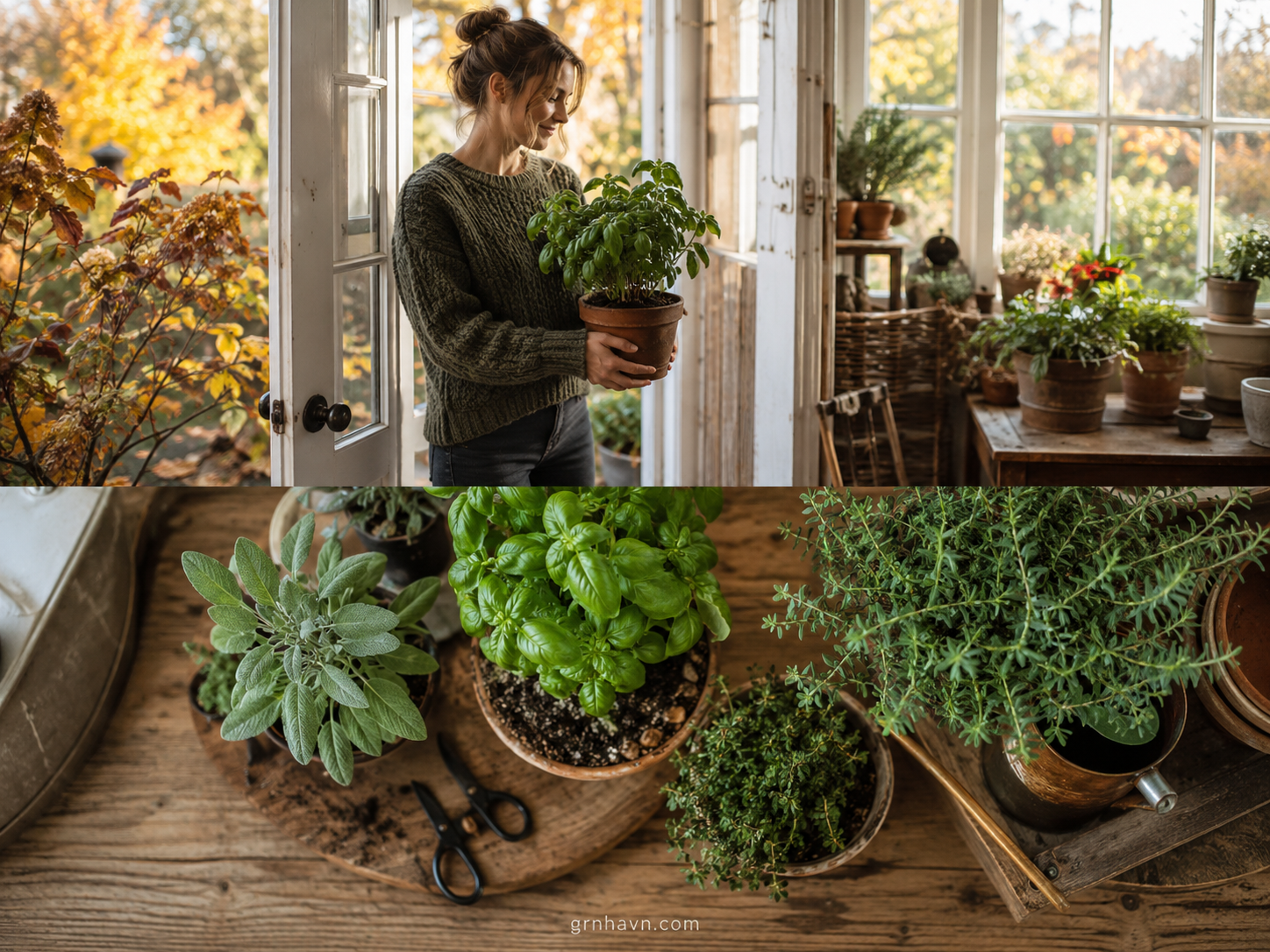
How To Winterize Plants To Bring Inside
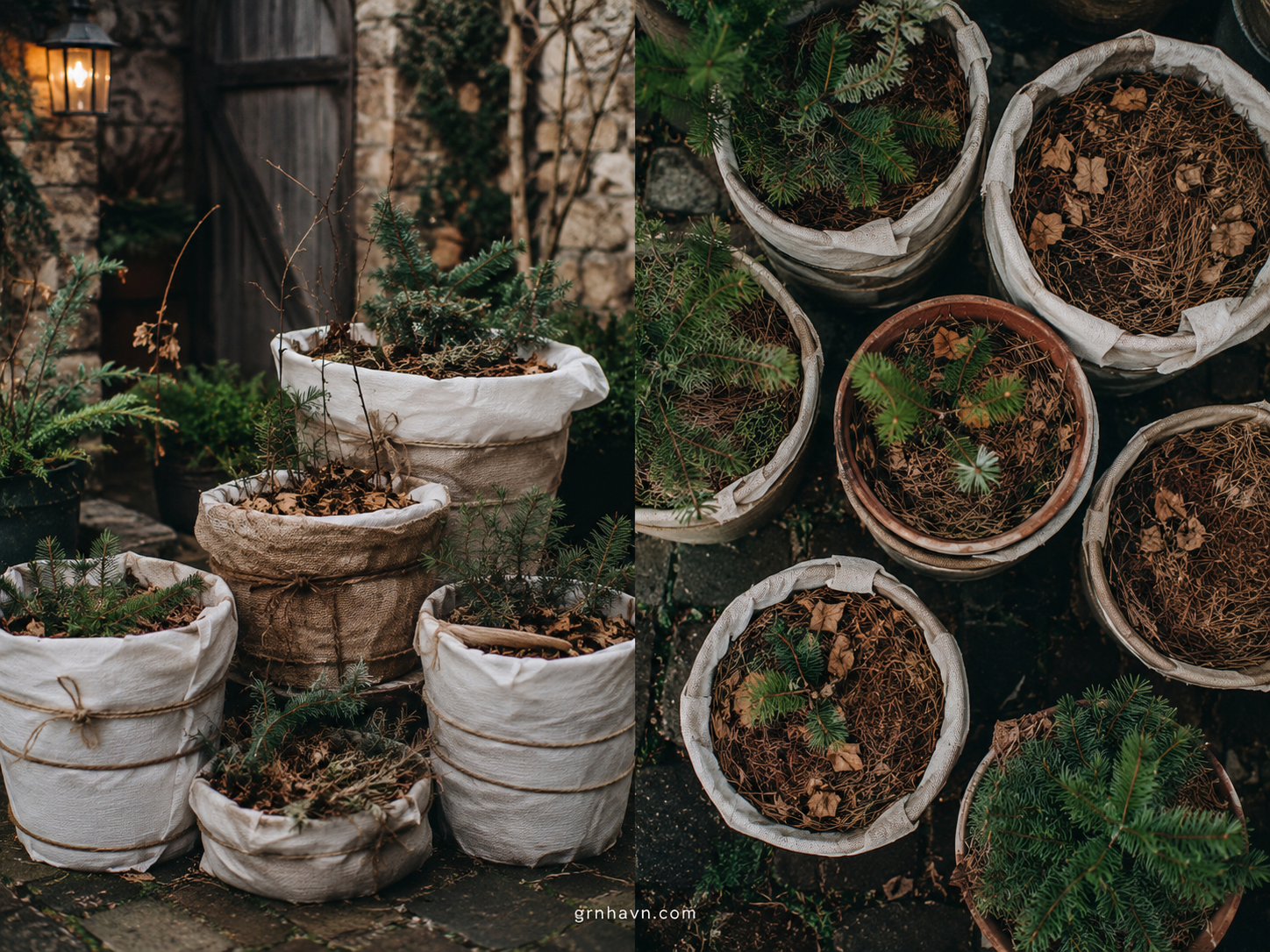
“Bring inside” can be exciting—until you rush and shock your plant. The best approach is gradual and observational. Before your first hard frost, check which plants actually need indoor time. Tender herbs, some perennials, and ornamental plants often do better with a sheltered indoor transition. I recommend inspecting for pests before moving anything indoors—because once inside, tiny issues multiply quickly.
Transition logic matters: if possible, start by moving plants to a bright, cool area first (like a porch or garage with light), then bring them fully indoors. Water lightly and only when the top layer of soil feels dry. Overwatering indoors in winter is surprisingly common because the plant’s growth slows down. For timing, watch your frost dates: when nighttime temperatures consistently drop near freezing, it’s safer to move tender plants. In USDA terms, this often lines up with your hard-freeze window; in Europe, use local frost patterns and avoid waiting until you’ve had repeated near-freezing nights.
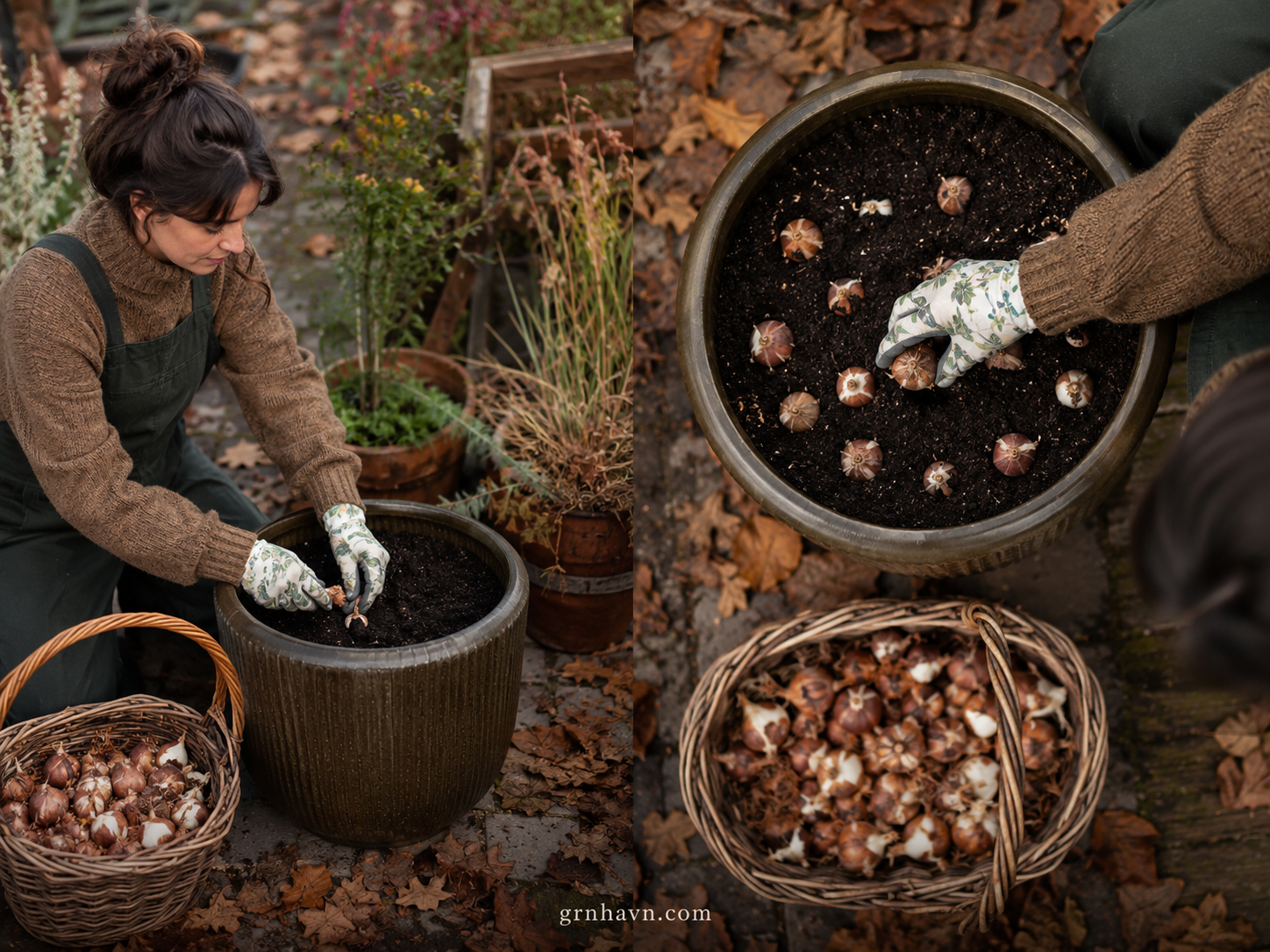
Plant Bulbs Before Winter (Container/Beginning Of Winter As Bulb Planting Intent)
Bulbs are one of my favorite winter “hope rituals.” They don’t just survive—they wait, quietly, for the right moment. The timing depends on your frost logic, not the calendar date alone. As a general approach, plant bulbs when the soil begins to cool and before it becomes too frozen to work. In many USDA areas, that means planting in early to mid fall before hard freezes. In Europe, use your regional cold onset and rainy/temperature patterns—coastal areas may have milder winters, while inland areas may freeze faster.
For containers, use well-draining potting mix and ensure drainage holes are open. Plant at the appropriate depth for the bulb type, but a helpful general memory is to plant bulbs about 2–3× their height (or follow the package). Water lightly after planting to settle the soil, then protect from extreme freeze where needed. If you’re in colder conditions, insulation sleeves or relocating containers to a sheltered spot can help keep the root zone stable. I’ve found that bulbs do best when you don’t overdo spring-like watering in winter—moderation is everything.
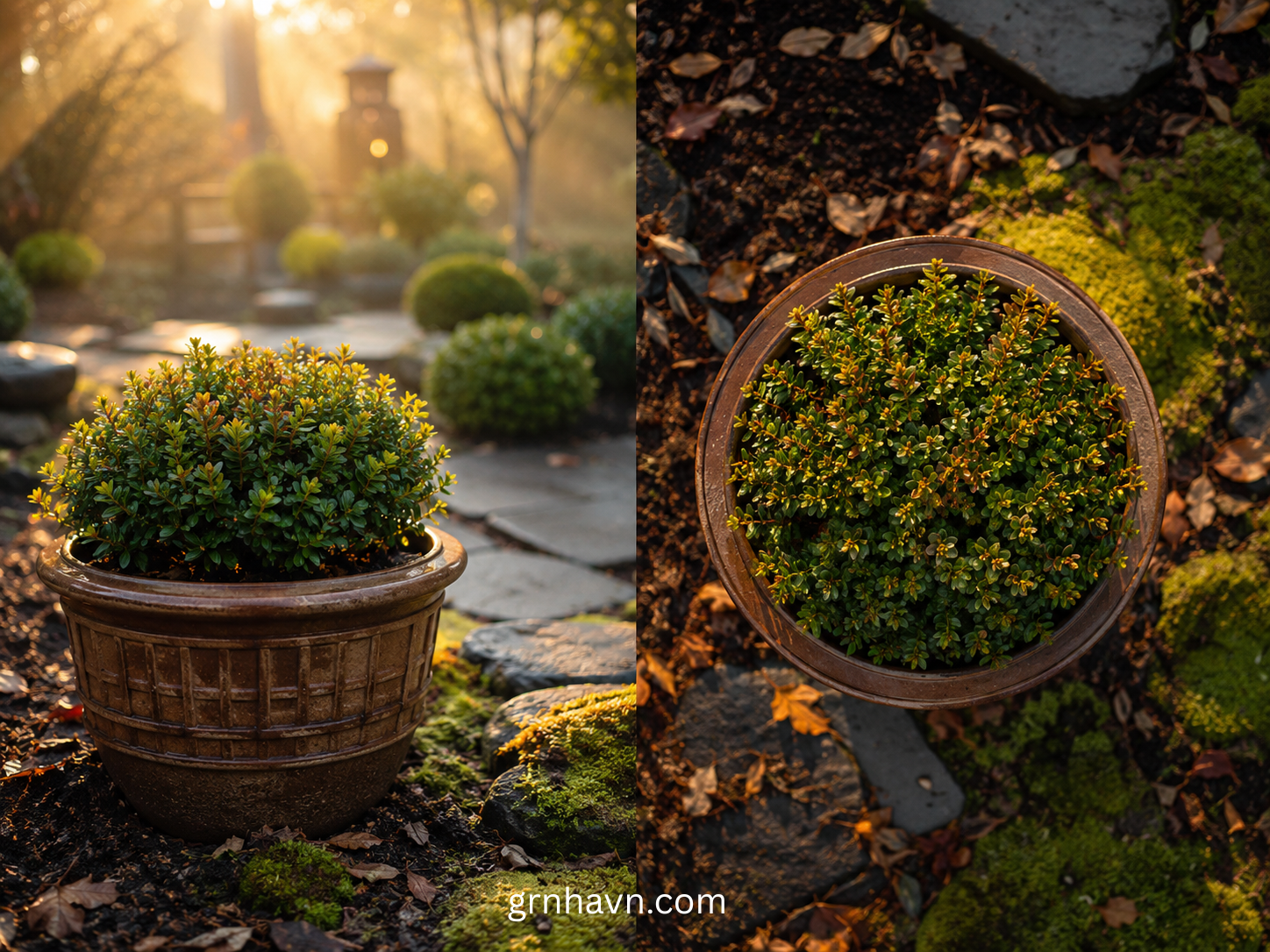
Preparing Your Garden For Winter (Mention Container/Veg Tone Once)
If you want one “season rhythm” that actually reduces stress, use this. Think of your garden as three systems: soil, plants, and microclimate. For vegetable beds, focus on cleanup, soil protection, and moisture moderation. For herb gardens, keep crowns breathing and avoid heavy wet cold. For containers, insulate roots and reduce wind exposure. This is where I’ve seen the biggest improvements—when people stop treating each plant like a separate universe and start treating the yard as one connected environment.
Timing can still be simple. Use USDA hardiness zones and frost-date logic in the US, and in Europe use local temperature patterns plus exposure (wind + damp winters). Before the hard freeze window, do your core steps. After that, you become a watcher rather than a fixer. If you’re uncertain, remember this emotional and practical rule: protect from extreme swings. That means insulating, lifting pots, mulching gently, and only watering when the soil needs it and temperatures allow safe moisture. Done consistently, your garden will look calmer, smell healthier, and wake up faster in spring.
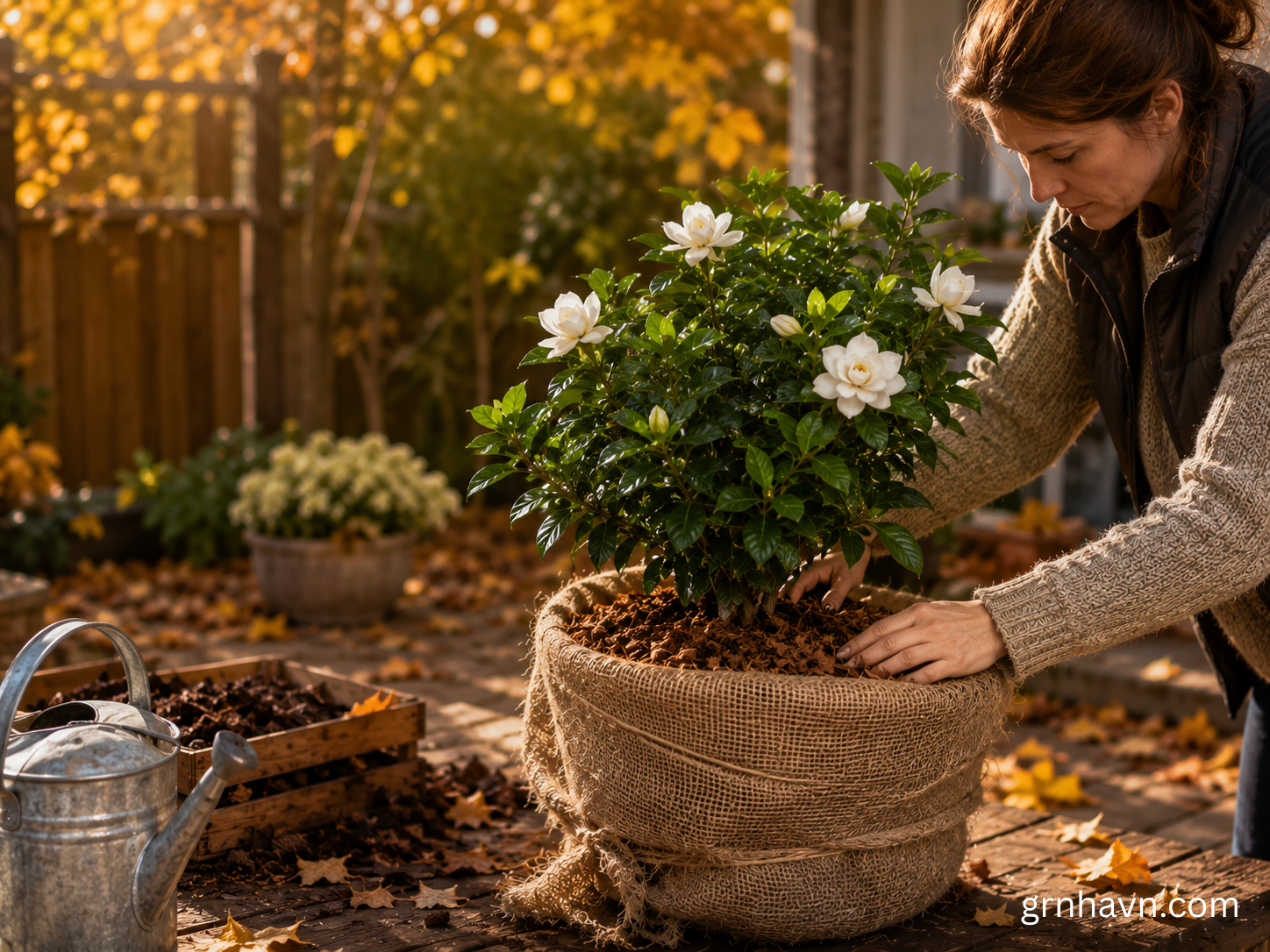
How To Winterize Gardenia Plant (If Gardenia Is In Pot/Container In Your Case—If Not, I Will Put It In Post 4)
Gardenias in pots are the kind of plants that make you feel proud—then nervous when cold weather arrives. If your gardenia lives in a container, treat it as a root-sensitive guest. Your mission is to prevent freezing and avoid letting the plant sit in cold, wet soil for long periods. Before your first hard frost, decide whether you’ll move it indoors or provide substantial outdoor protection.
If moving indoors, prioritize bright light and stable conditions, and reduce watering. Gardenias don’t want to dry out completely, but they also don’t want soggy roots in cold weather. If keeping outdoors, insulate the pot thoroughly (wrapping plus a raised base) and protect from wind. I suggest sheltering it near a wall and adding a breathable cover during the coldest snaps. Timing follows your frost logic: act before repeated hard-freeze conditions. In US USDA terms, your hard-freeze window is the moment to upgrade protection. In Europe, use your local cold and wet patterns—if your winter is damp, extra insulation without airflow can make things worse.
Winterize Plants In Pots (Final Layer Mindset)
This last section is the mindset that makes the whole guide click. Winterizing isn’t a one-time task—it’s a series of protective choices. In my own seasons, the gardens that do best are the ones where I focus on root stability and moisture balance, not surface appearances. After the main winter prep, check your setup occasionally. If a container is exposed to harsh wind, add wind protection. If the pot sits in a cold spot, lift it. If the soil stays consistently wet, lighten your mulch layer or improve drainage.
Remember the temperature logic: when hard freeze risk is near, your insulation effort matters most in the root zone. USDA hardiness zones help you time it in the US, while in Europe your frost and temperature patterns (plus wet/dry differences) guide your decisions. Also—please don’t “over-love” your plants with late-season watering. In winter, water needs are smaller. The goal is to prevent stress, not to simulate summer. If you do that consistently, you’ll feel the emotional payoff: spring growth that looks intentional, not accidental.
What Not to Do (Overwatering/Late Pruning)
This is where I gently stop you from common winter heartbreak. Don’t overwater late in the season. Wet soil that freezes and thaws repeatedly can damage roots and crowns. If your soil is already damp, pause watering and rely on mulch insulation instead.
Don’t do heavy late pruning. Cutting back too late can trigger fresh growth at the wrong time. For many plants, it’s better to clean up after harvest, remove clearly dead material, and let winter signals do their job. If you prune, keep it conservative and plant-specific.
Common Mistakes
I’ve seen the same patterns across many home gardens. The good news? They’re easy to prevent once you know what to watch.
1) Waiting too long to insulate containers. By the time temperatures drop hard, the pot walls have already done damage to root zones.
2) Mulching too thick around crowns. Herbs can suffer when airflow is blocked.
3) Leaving diseased debris behind. Cleanup reduces spring surprises.
4) Watering “because it’s cold and you feel responsible.” In winter, water needs decrease.
5) Ignoring wind exposure. A windy spot can freeze soil faster than you expect.
Final Printable Checklist
- Plan timing: use USDA hardiness zones + frost-date logic (US) and Europe frost/temperature patterns (plus wet/damp awareness).
- Vegetable beds: harvest fully, remove spent plants, tidy weeds, consider gentle compost top-dress, then mulch 2–4 in (5–10 cm).
- Herb beds: keep airflow, avoid heavy crown burial, mulch lightly 2–3 in (5–8 cm), add wind protection if needed.
- Containers: lift pots off cold ground, wrap/insulate sides, group together, and protect root zones.
- Water smart: deep moisture before hard frost only if soil is dry; otherwise pause or water minimally when above freezing.
- Move inside (if needed): transition gradually, inspect pests, keep in bright light, water lightly.
- Bulbs: plant before soil freezes too hard; in containers, ensure drainage and stable protection.
- Avoid: overwatering late + late heavy pruning + mulch that traps wet air around crowns.
FAQ (Winterizing Vegetables, Herbs & Pots)
What is the best mixture for raised bed soil?
For winter-proofing raised beds, a good base is airy, well-draining soil enriched with compost. Think: loamy texture so roots hold moisture without staying soggy during freeze-thaw. In practice, I aim for a structure that drains well, then top-dress with compost in fall and mulch lightly. That balance helps your beds stay stable instead of waterlogged.
How to winterize vegetables?
Winterizing vegetables means cleanup, disease-aware debris removal, and thoughtful mulch. Use your first hard-freeze window (USDA zones/frost dates; Europe frost logic) to time protection, then mulch about 2–4 in (5–10 cm). Avoid late overwatering—deep moisture before freeze is helpful, constant wetness is not.
What do I do with my vegetable garden at the end of the season?
Harvest leftovers, remove spent or diseased plants, pull weeds, and protect the soil. Add a compost top-dress if your soil needs it, then mulch gently. Containers get insulation and root-zone protection; herb beds need breathable coverage rather than a thick, wet blanket.
What two vegetables should not be planted together?
Many pairing conflicts are crop- and disease-specific, but a common example is keeping certain heavy feeders and disease-prone groups too close in tight rotations. When in doubt, follow crop rotation guidance for your region and avoid repeated planting of the same family in the same spot without soil recovery time.
How to prepare vegetable beds for winter?
Clean up debris, improve soil stability, and mulch. Use 2–4 in (5–10 cm) of organic mulch for most beds, and ensure drainage so the bed doesn’t stay wet through freezing nights. Timing should align with your frost-date reality.
How to keep vegetables fresh all winter?
“Fresh” depends on your method: hardy varieties can stay in the garden with protection, while others require cold storage. If you keep them outdoors, use row covers or gentle insulation based on your local frost patterns. If storing, cool, dry, and consistent conditions beat repeated freeze-thaw exposure.
What three vegetables should never be refrigerated?
Some produce loses quality in refrigeration—commonly items like tomatoes and certain tropical produce. For winter garden planning, focus more on harvesting at the right ripeness and using proper storage (cool/dry for many root crops, different handling for delicate produce).
Which vegetables grow well next to each other?
Companion planting works when light, soil moisture, and growth habits match. In winter prep terms, it’s helpful to keep beds organized by similar needs so you can mulch and protect consistently. For best results, choose companions that share similar irrigation tolerance and disease risk.
What should not be planted next to tomatoes?
Tomatoes can share disease vulnerabilities with certain related crops. If you’re planning winter-friendly beds and spring rotation, avoid crowding tomatoes with plants that increase disease carryover, and keep rotations consistent year to year. Your local crop rotation plan matters most.
What is a good layout for a vegetable garden?
Use zoning based on sun, irrigation access, and crop rotation. In winter, layout helps because it determines airflow and drainage—two things that make or break “winterized” success. Plan for protected edges, and keep container zones grouped for microclimate stability.
What is the no. 1 healthiest vegetable?
“Healthiest” depends on your needs, but leafy greens, crucifers, and colorful roots are standout options. From a winter garden perspective, choose varieties that stay resilient in your local cold and store or protect well—so you can enjoy them longer.
What vegetables should not be stored near each other?
Produce emits gases and moisture that can affect neighbors. For winter storage, separate ethylene-sensitive items from those that produce more gas, and keep airflow and humidity controlled. Your storage method (root cellar vs fridge) changes best practices.
Which vegetables can be stored without refrigeration?
Many root crops store well in cool, dry, consistent conditions—think carrots, potatoes, and some winter squash—depending on your climate. The key is stability: avoid cycles that cause softening or condensation.
Why should you sprinkle baking soda around your tomato plants?
Some gardeners experiment with baking soda for acidity-related concerns, but outcomes vary. In the winterization context, focus more on prevention through spacing, cleanup, and stable moisture rather than quick fixes. If you try anything, do it lightly and safely.
What not to plant with carrots?
Carrot beds benefit from crop companions that don’t outcompete them or increase disease overlap. For winter readiness, prioritize rotation and avoid tightly repeating vulnerable families in the same soil year after year.
What is the best thing to put around tomato plants?
A supportive mulch layer around tomatoes helps stabilize soil moisture and reduces stress. In winter, if tomatoes are already finished, focus on bed cleanup and mulch for the soil ecosystem rather than trying to “winterize” tender plants outdoors.
What is the king of all vegetables?
Many gardeners call broccoli or carrots a “king,” but the real winner for winter success is the vegetable that performs best in your climate and storage method. Choose hardy varieties and protect them consistently.
Which vegetable has no health benefits?
Most vegetables have some nutritional value. Instead of asking which has “no benefits,” focus on what you actually enjoy growing and can store or protect through winter—consistency matters most.
Which vegetable reduces BP?
Nutrient-rich vegetables like leafy greens and beets can support heart health for many people. For winter gardening, choose those that thrive locally so you can keep them fresh longer with proper protection.
What are the enemies of carrots?
Carrots often struggle with poor soil texture, inconsistent moisture, and pests/disease. In winter prep, your “enemy prevention” is good bed prep in fall plus rotation—so the next season starts strong.
Why are some plants bad for cucumbers?
It often comes down to disease overlap and competition for moisture/light. For winterizing, the principle is the same: plan rotation, keep spacing for airflow, and avoid crowding that creates wet conditions.
Which is the queen of all vegetables?
It’s subjective—most gardeners have favorites. Your best “queen” is the one that gives reliable harvest and can be protected or stored through winter in your specific conditions.
What are the five super vegetables?
“Super” usually means nutrient-dense. Many lists include leafy greens, crucifers, carrots, berries, and legumes. For winter gardens, choose a mix you love and that matches your climate for easy winterization.
Which fruit has 90% of water?
Water content varies by variety, but melons and some citrus can be very high. Winter gardening is different from fruit storage, but the same principle holds: store produce correctly to prevent spoilage.
What is the best thing to plant next to carrots?
Choose companions that support airflow and don’t compete too aggressively. For a winter-success approach, keep beds organized so you can mulch consistently and avoid uneven moisture pockets.
What is the secret to growing good carrots?
Loose, well-draining soil and consistent moisture early on. For winterization, if you’re harvesting, store properly. If you’re protecting overwintered carrots, use stable mulch and avoid wet cold.
Which animals love carrots?
Common culprits include rabbits and rodents. Your best winter strategy is physical protection: secure beds, remove attractants, and reduce hiding spots near overwintered plants.
What is the most expensive vegetable?
Pricing varies by region and season. The “best value” for winter gardeners is often the variety that grows reliably and stores or withstands cold with minimal extra work.
What is this vegetable called?
If you share the image or description, I can help identify it. Meanwhile, focus on winterization steps for your existing crop plan: timing, mulch, insulation, and correct watering.
Who is the prince of vegetables?
Humor aside, many people love peas or broccoli as “princes.” For winter readiness, pick what thrives in your climate and is easiest for you to protect consistently.
Which is the cheapest vegetable in the world?
Often it’s something widely grown and easy to harvest like cabbage, potatoes, or carrots depending on region. Winter gardens benefit most from crops that fit your local growing season and storage options.
Which is the most expensive food on Earth?
This depends on market conditions. For home gardeners, the best “investment” is time: winterize once correctly, and spring costs less effort because plants wake up stronger.
What are the 12 dirty dozen vegetables?
“Dirty dozen” lists are about pesticide residue and can vary by year. Winter garden planning should still focus on soil health, rotation, and safe integrated pest strategies—plus harvesting at the right stage.
Final Verdict (The Calm Way To Winter)
If I had to summarize Winterize Vegetable Gardens, Herb Beds & Potted Plants in one honest sentence, it’s this: winter rewards clarity. When you use your frost-date logic (USDA hardiness zones in America; Europe temperature/frost patterns), prep in the right window, and protect roots without overwatering, your garden becomes resilient—not just surviving, but ready. I’ve watched friends go from panic-checking weather apps to feeling confident, almost proud, because the garden finally responds to steadiness. So go gently: cleanup, mulch, insulate, and then step back. Your future spring growth will feel like a thank-you note.