How to Winterize Garden: Step-by-Step Winterization Checklist
“Winter doesn’t have to feel scary for your garden. It just needs a calm, thoughtful plan.”
If you’ve ever looked at your beds in late autumn and felt that quiet worry—what will survive?—you’re not alone. I’ve winterized gardens through real weather swings, mid-season surprises, and those “almost frost… maybe” days that trick even experienced gardeners. This guide will show you how to winterize garden with a step-by-step checklist that’s gentle, practical, and deeply doable.
We’ll match timing to real conditions using USDA hardiness zones and frost-date logic (plus European seasonal temperature reality), so you can act at the right moment— whether you’re working in a mild coastal climate or facing sharper cold snaps in inland regions. And yes: I’ll include what I learned the hard way—like what not to do (overwatering and late pruning can quietly sabotage your best effort).
You’ll have a clear, mobile-friendly winter plan to prepare soil, protect tender plants from frost, winterize vegetable beds, and build coverings that actually help (not trap moisture). By the end, you’ll be holding a checklist you can print and trust.
Best timing
Key protection
Temperature reference
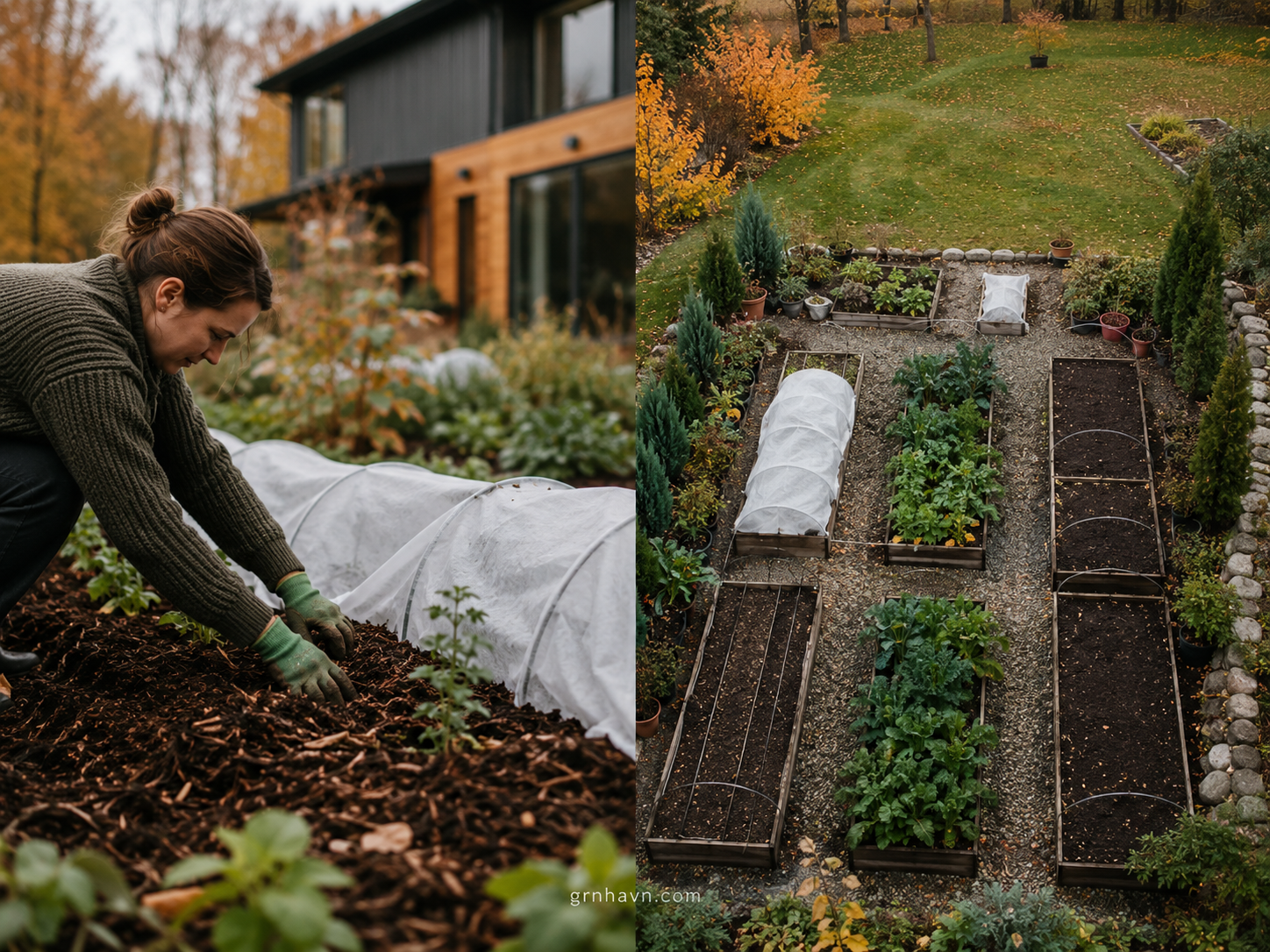
How To Winterize Your Garden
“A winterized garden is like a well-wrapped gift—quiet protection, ready to bloom when spring arrives.”
The truth is, winterization isn’t one big job—it’s a series of small, confident steps that help your plants coast through cold weather. When I teach friends and clients, I start with the same mindset: your goal is stability, not perfection. You’re protecting roots, preventing sudden moisture swings, and reducing frost stress.
I begin by walking the garden twice: once when the weather is still “normal,” and again after the first chill feels real. That helps you spot what’s already struggling—maybe a spot stays wet too long, or a bed sits in a windy corridor where temperatures drop faster. If you live in the US, I’ll often look at your USDA hardiness zone and then compare it to your frost-date reality. In Europe, I use seasonal temperature logic and local microclimates (coastal vs inland, garden shelter vs open exposure).
From there, we layer protection: clean up gently, adjust watering, add mulch where it matters, and create barriers for tender plants. And yes—there’s an emotional part too. The moment you do the first careful step, you’ll feel your shoulders drop. You’re not “waiting” for winter—you’re guiding your garden through it.
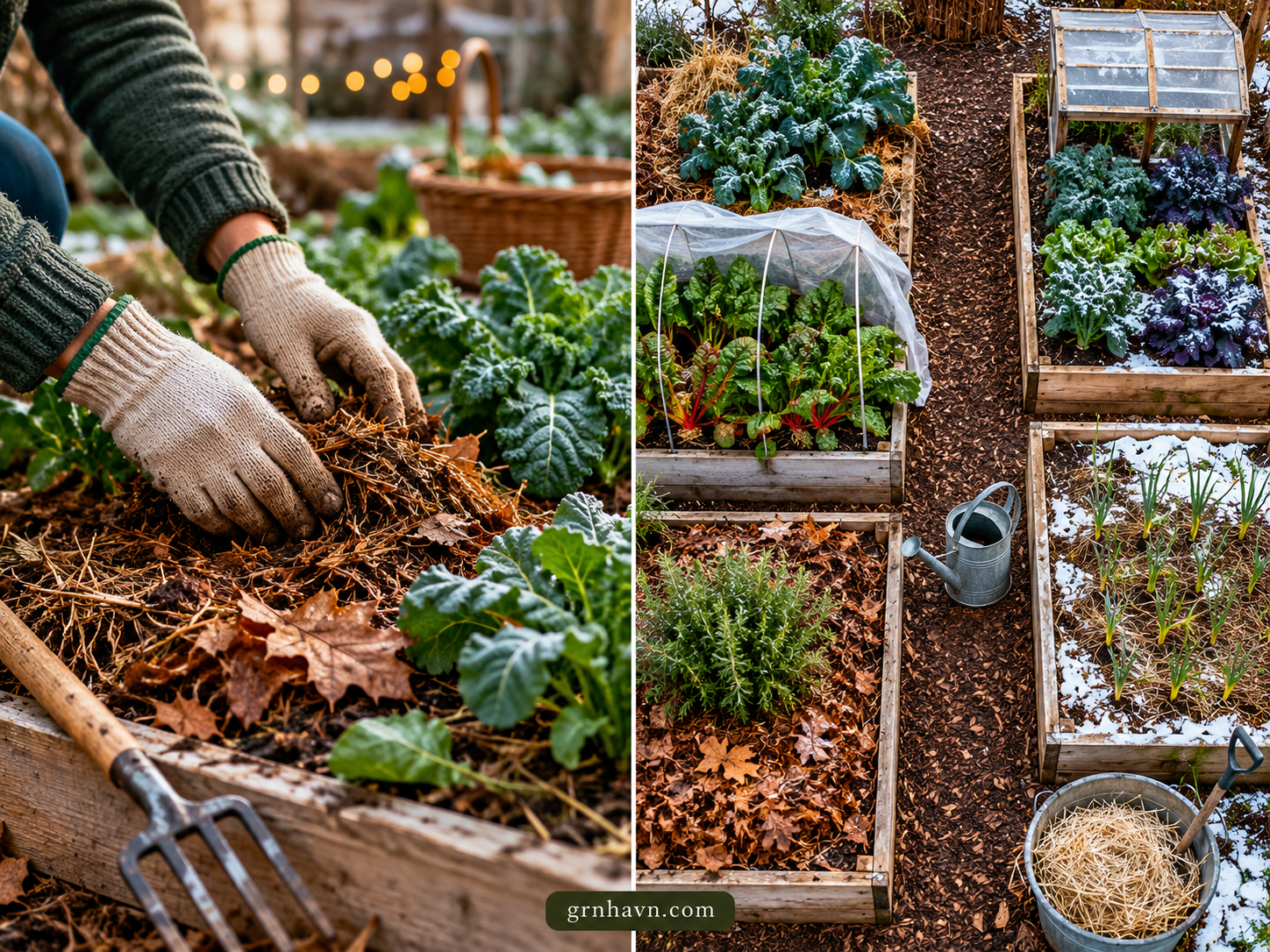
How To Winterize Garden (The Exact Sequence)
“When you follow the sequence, winter stops feeling like a gamble and starts feeling like a plan.”
Here’s the sequence I recommend—because the order matters more than people think. First comes inspection (what’s healthy, what’s weak, what’s too wet). Then comes soil and water stabilization. Next is clean-up that reduces disease pressure without stripping your beds bare. After that: mulch + protection, and finally covering tender plants at the right time—before frost locks in.
Over the years, my “case study” has been repeating seasons with the same pattern: gardeners who scramble at the last minute often do too much at once. They prune late, they water excessively to “help,” and they cover plants too early—then the soil stays wet while the temperature drops. Instead, build your steps like you’d build a warm outfit: layers, not chaos.
For timing, use local cues. If you’re in the US, start with USDA hardiness zones and move by your nearest frost dates. If you’re in Europe, track typical autumn lows and frost warnings for your region—then confirm with your garden’s microclimate. Frost doesn’t care about averages; it cares about nighttime conditions. So think in °F and °C: once you see repeated dips near 32°F (0°C), tighten your timeline.
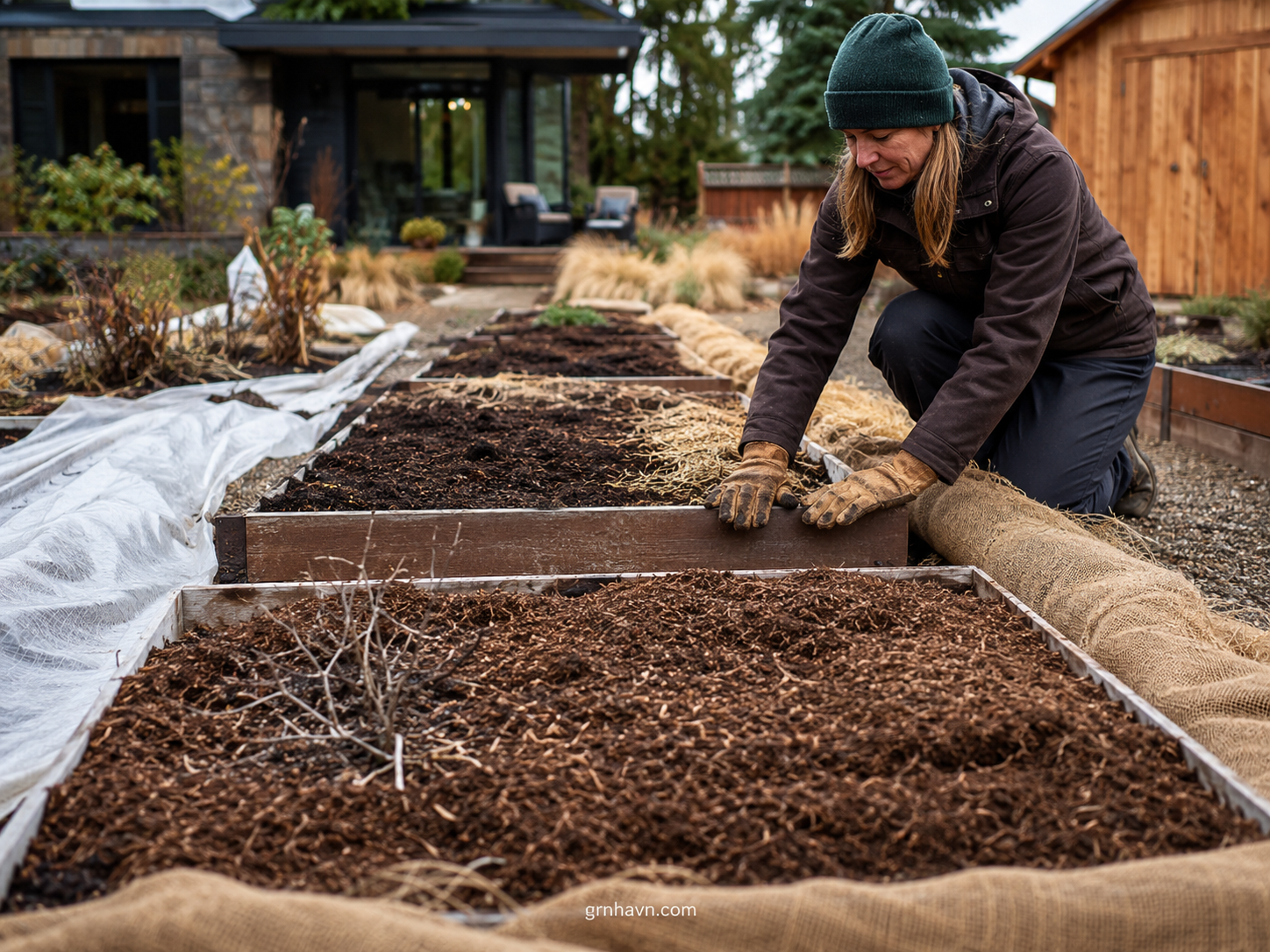
How To Winterize A Garden (Timing By Zones)
“Good timing is kindness. It’s how you protect roots without shocking growth.”
Timing is where “average advice” breaks down—because your garden isn’t a textbook. If you want to know how to winterize your garden successfully, you need one simple rule: start early enough to be ready, but not so early that you trap softness.
In the US, your USDA hardiness zone helps you estimate which plants can handle typical winter lows. But for day-to-day decisions—like when to mulch, when to stop fertilizing, and when to add coverings—frost-date logic matters more. Watch your local forecast for nights that hover around 32°F / 0°C and dip below. Once frost becomes likely, you can shift from “preparing” to “protecting.”
In Europe, use a similar mindset even if you don’t think in USDA terms. Look at seasonal minimum temperature patterns (°C), and pay attention to coastal dampness, wind exposure, and how quickly your soil drains. I’ve seen gardens with the same air temperature act differently because one bed is sheltered and another is blasted by cold wind.
My gentle recommendation: write your timeline now—just 3 dates. (1) when you’ll stop late-season feeding, (2) when mulch goes down, and (3) when covers get added for tender plants. That’s how preparation becomes calm.
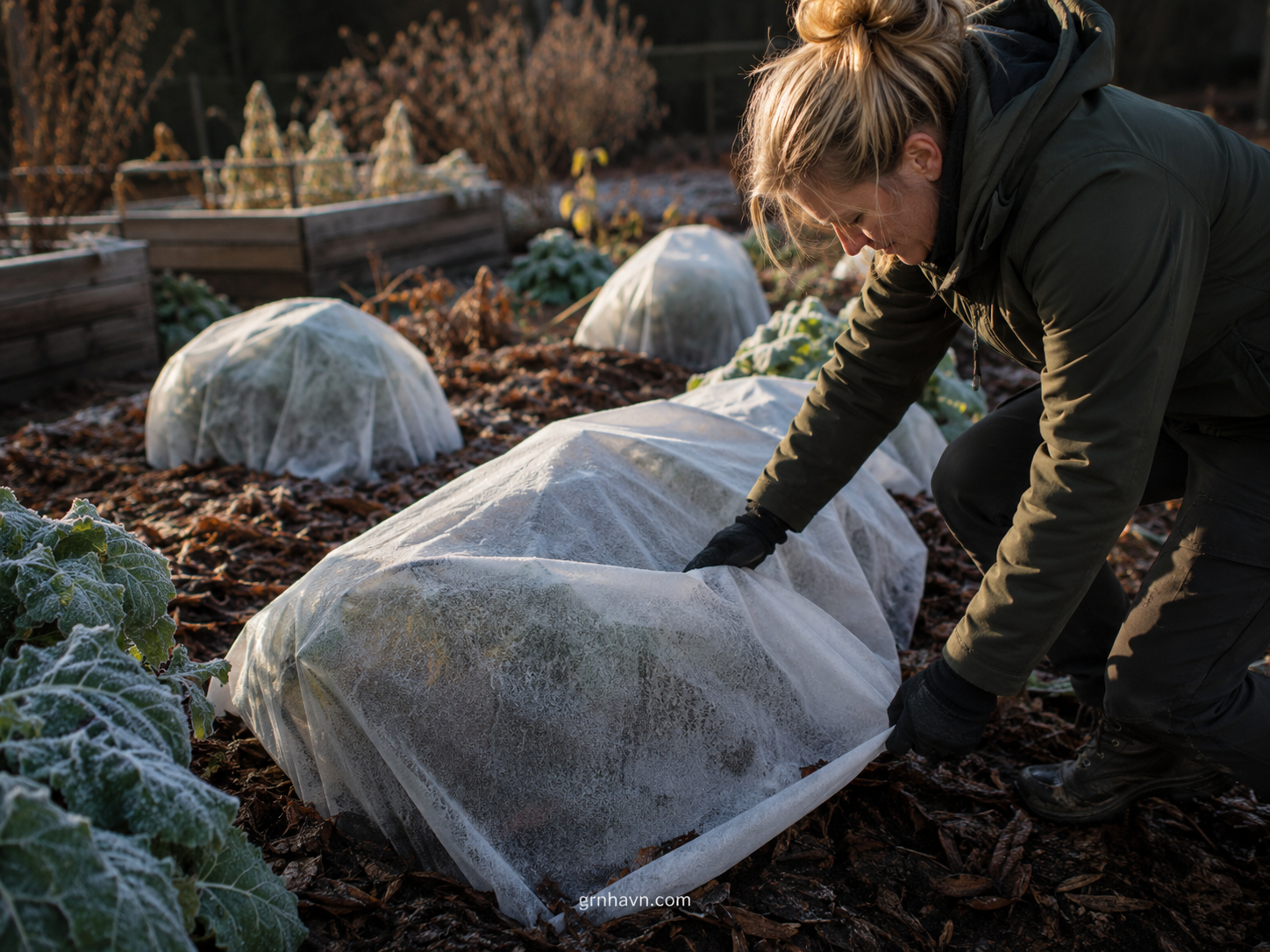
How To Winterize Your Garden Bed
“Beds don’t need to be empty—they need to be supported.”
Your garden bed is basically a living system: soil structure, root health, moisture balance, and micro‑habitats for helpful organisms. So when you’re wondering how to winterize your garden bed, don’t think “strip it down.” Think “protect the ground.”
I usually start with the basics: remove spent annuals, clear heavy debris that could harbor disease, and cut back only what’s truly done. Then I address drainage. If a bed holds water too long, winter puddles can freeze/thaw and damage roots. That’s also why mulch helps: it moderates temperature swings, helps retain moisture more evenly, and reduces soil heaving.
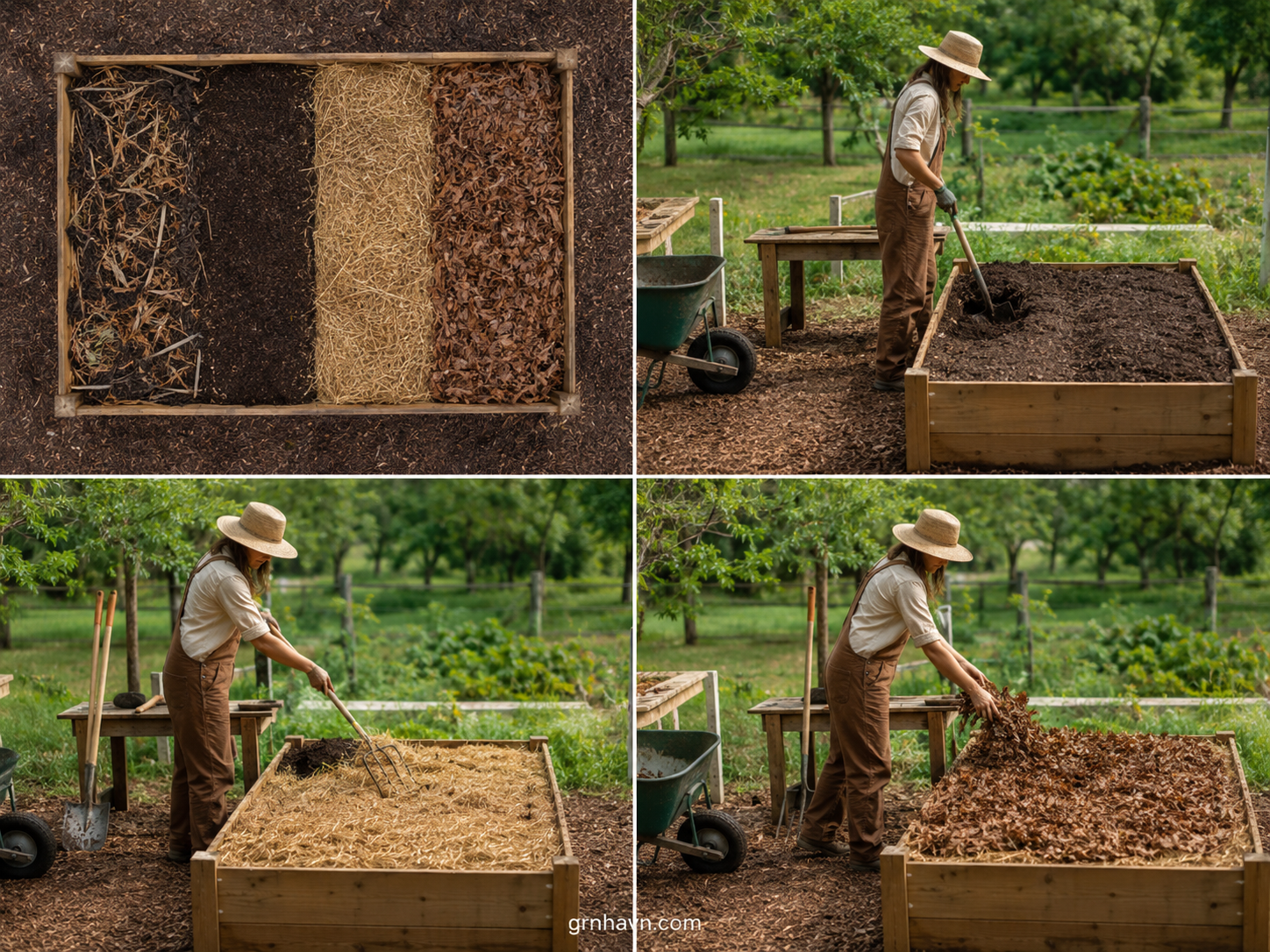
Mulching depth matters. A general comfort zone is about 2–4 inches (5–10 cm) for many beds. Keep mulch slightly away from plant crowns when needed—especially for tender perennials—so moisture doesn’t sit against stems. And if you’re in a region with heavy rain, focus on drainage first; mulch is supportive, not a substitute.
One practical “opinion I stick with”: winterize the bed, then stop touching it. Every time you disturb soil during cold snaps, you risk exposing delicate roots. Let the season do its work.
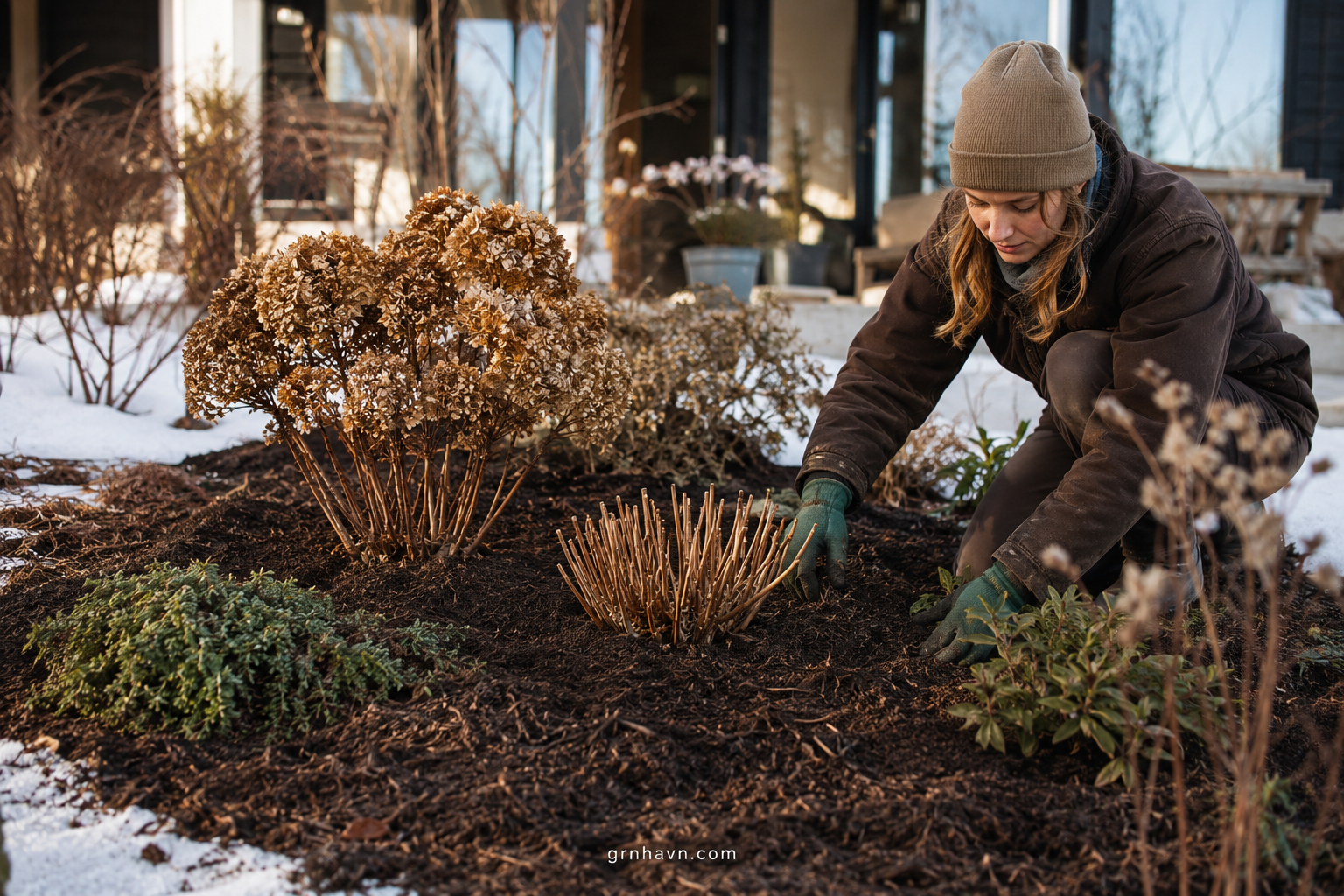
Preparing Your Garden For Winter
“Before the cold arrives, your garden is asking for clarity—what stays, what rests, and what’s protected.”
Preparing your garden for winter is less about “fighting winter” and more about giving your plants a smoother transition. I recommend a calm three-part walk: (1) observe, (2) adjust, (3) support. That’s it. No complicated schedules—just attentive care.
Observation: check for weak spots—areas that stay soggy, plants that look stressed, and tender growth that’s still trying to keep going. Adjust: stop fertilizing late in the season so you don’t push soft new growth that can be harmed by frost. Support: add mulch, and use simple barriers where wind and cold are harsh.
If you have outdoor containers, remember they freeze faster than ground soil. A container that’s fine for mild nights can become risky once temperatures fall near 28–30°F (-2 to -1°C)—especially if soil is shallow. In Europe, this is similar: cold wind plus exposed containers can create faster freeze risk than you expect.
I’ve seen gardens bounce back in spring like nothing happened when they were cared for in a steady, supportive way. And I’ve seen the opposite when people only “rushed” the last weekend. Winterization works best when you treat it like preparation for rest, not punishment.
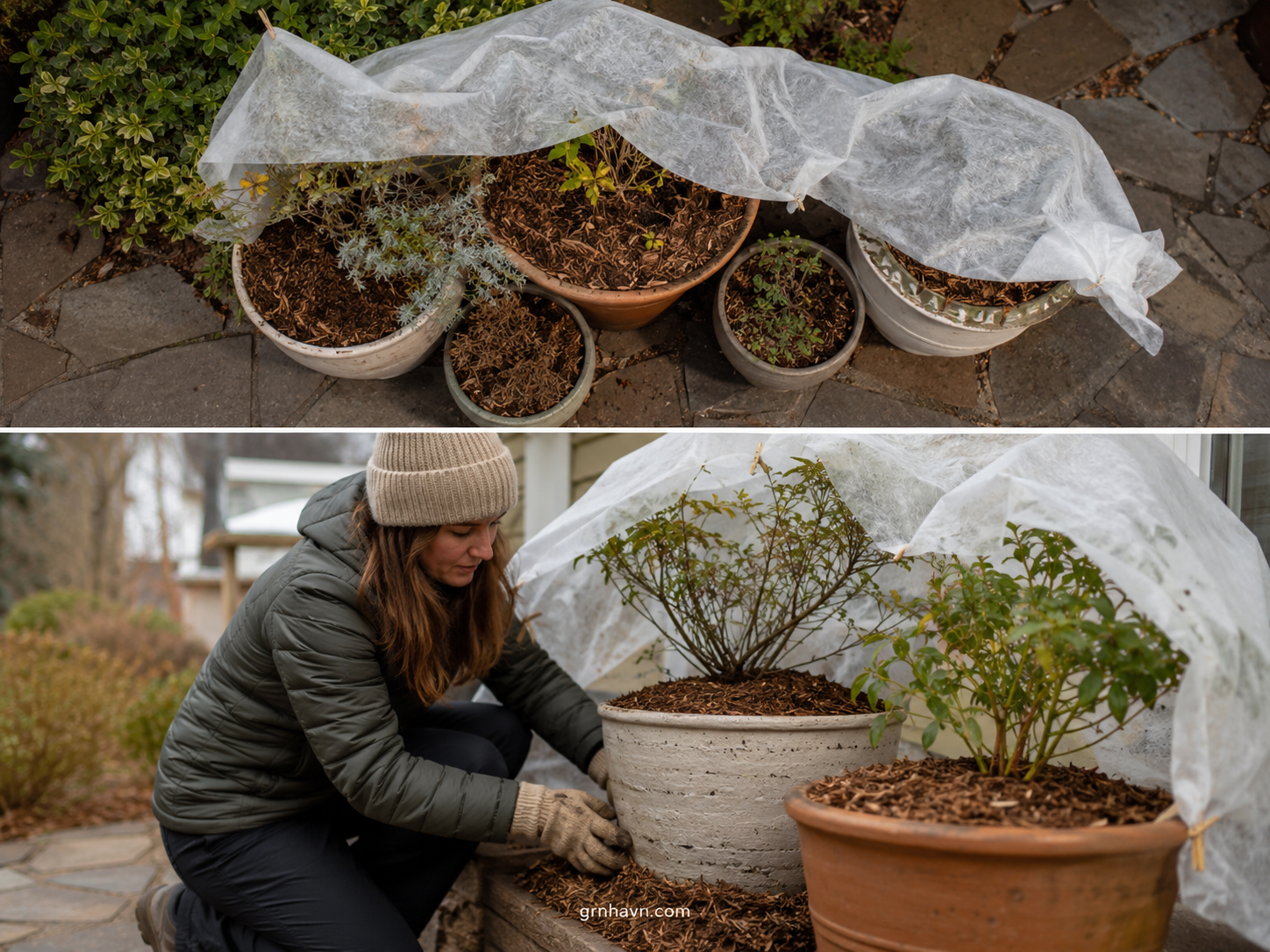
Preparing Garden For Winter (Soil &Amp; Moisture)
“Moisture balance is the quiet hero of winter—roots don’t just need water, they need steadiness.”
Preparing garden for winter starts with moisture—because too little is stressful, but too much can be harmful. Here’s the emotional part: when gardeners fear winter, they often overwater to feel “safe.” But overwatering (especially right before cold snaps) can increase risk of root damage and fungal issues.
Instead, aim for steady conditions. Water deeply when the soil is dry and conditions allow absorption. Then let the bed settle. Mulch will help reduce evaporation and keep temperatures more consistent.
A helpful practical check: stick a finger or small trowel into the soil near roots. If it’s still wet at a workable depth, pause watering. If it’s dry, water thoroughly—then stop. Think of it like hydration before a long rest.
For Europe + America together: remember that rainfall patterns vary a lot by region. In wetter climates, drainage and airflow matter more. In drier climates, you’ll need better moisture retention. This is why your local garden behavior matters more than generic advice.
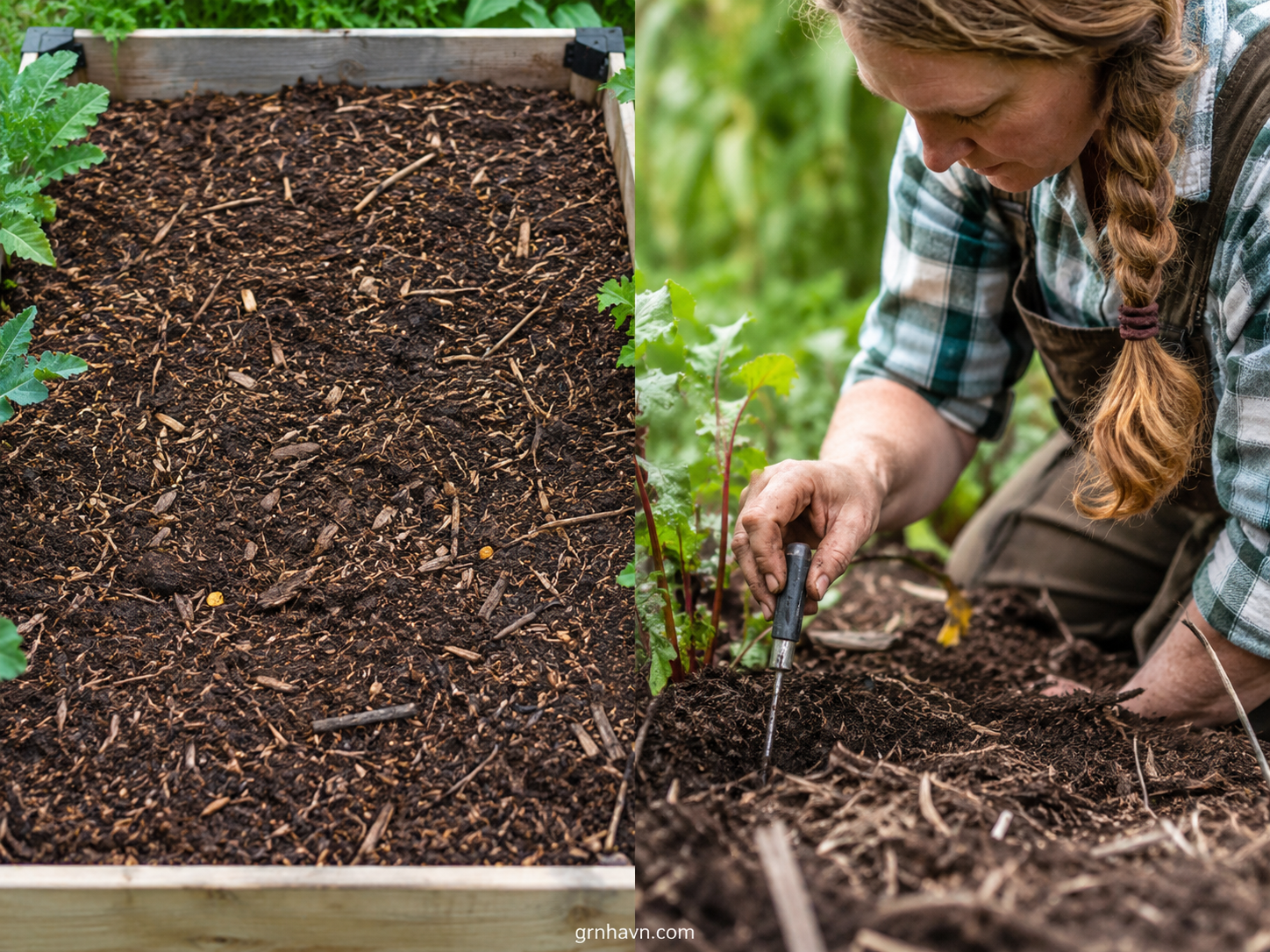
Preparing Garden Soil For Winter
“Healthy soil is your garden’s insurance policy.”
Preparing garden soil for winter is where long-term resilience starts. Soil isn’t just dirt—it’s structure, microbes, organic matter, and the root environment that determines how plants respond to cold. My approach is simple: build structure, protect the surface, and avoid disruption.
Add compost or well-finished organic matter if your soil needs enrichment (and if it won’t stay waterlogged). If you’re adding amendments, do it before hard freezes so they integrate gradually. Then cover with mulch to shield from heavy rainfall impact and freeze/thaw.
If you grow vegetables, this is also the time to think about next season. Clean up diseased material, avoid mixing infected debris back into beds, and consider cover crops in suitable conditions. (In some climates, a light cover can help reduce erosion and support soil life without turning your bed into a damp swamp.)
A quick measurement perspective: many gardeners plan depth “by feel,” but it’s easier to trust numbers. Mulch depth often lands around 2–4 inches (5–10 cm). Too shallow won’t moderate temperature; too thick can smother crowns or keep soil excessively wet.
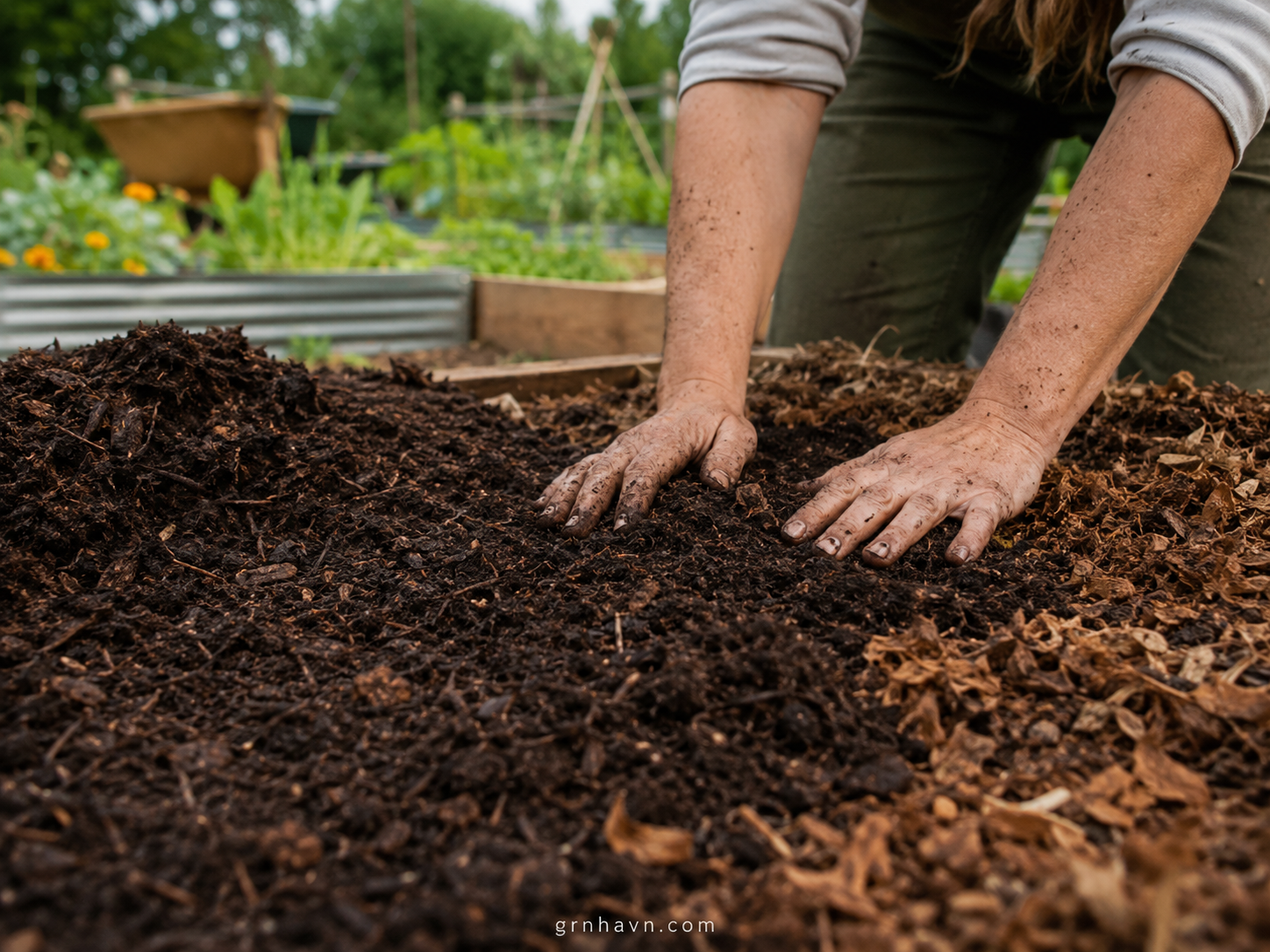
Preparing Vegetable Garden For Winter
“Your vegetable garden can rest—and still feed the soil. Winter is part of the harvest story.”
Preparing vegetable garden for winter is like closing the curtains gently, not slamming the door. I recommend removing spent crops, managing weeds carefully, and protecting the soil so spring seedlings have an easier start.
If you’re in a colder climate, focus on protecting crowns and root zones. For beds that you’ll be starting again soon, consider compost top-dressing (thin, neat layers) and a mulch cover. In climates where cover crops are feasible, they can help prevent erosion and support soil life. The key is to avoid leaving the bed bare and exposed to heavy rain and freeze-thaw cycles.
If you have cold-tolerant greens, you may also use row covers/cloches. But timing matters: covering too early can keep soil too wet, and covering too late leaves plants exposed to hard freezes. Watch for nights approaching 32°F (0°C) and then use breathable protection when needed.
My honest opinion: the best vegetable winterization plan is the one you’ll actually follow. Don’t overcomplicate. Clean up what’s done, protect what remains, and set your soil up to be forgiving in spring.
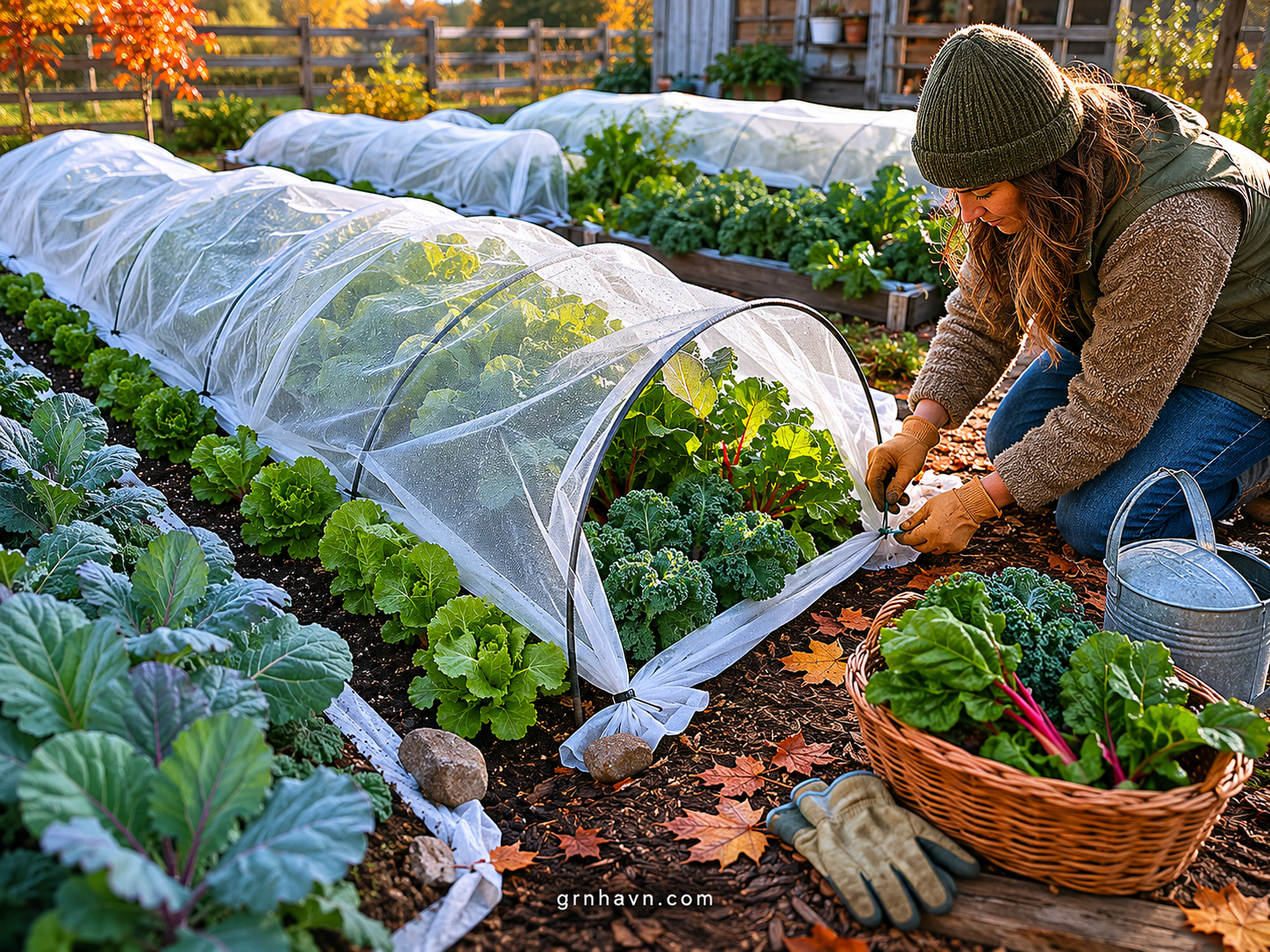
Preparing For Winter (Outdoor Plant Care)
“The most resilient gardens aren’t the harshest—they’re the ones that understand their plants.”
Preparing for winter is where outdoor plants tell you what they need. Start with plant types: perennials, roses, shrubs, bulbs, tender annuals, and containers all have different risk levels. Your mission is to reduce stress at the roots and protect the crown—especially where plants are vulnerable to moisture and freezing.
For many perennials, mulch is a reliable friend. For roses and crown-forming plants, be mindful not to pile mulch directly against stems unless that’s recommended for your plant. For tender plants, you may need additional covering—like breathable fabric or a sheltered microclimate.
If you’ve got bulbs, I treat them as “quiet sleepers.” Don’t disturb the bed after you plant. Keep the surface protected from pounding rain and rapid temperature swings. In both the US and Europe, bulbs can handle winter when conditions are stable and drainage is reasonable.
And here’s a personal rule I follow: I stop “fixing” plants once I’ve done the protection. Over-handling during cold snaps increases stress. Let winter pass through with dignity.
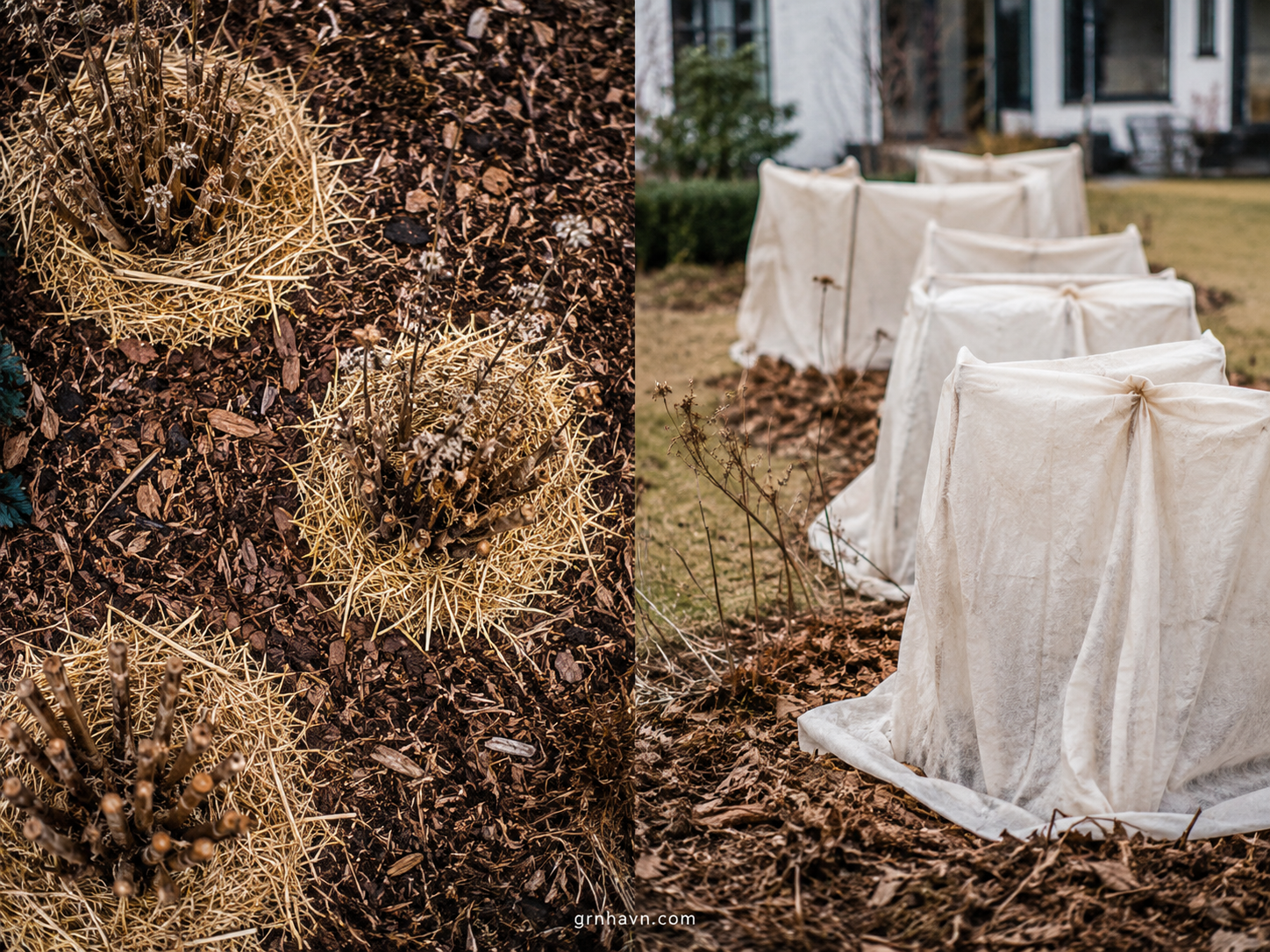
Garden Preparation For Winter (Structure &Amp; Protection)
“Think of coverings as windbreaks, not blankets. Plants need breathing room.”
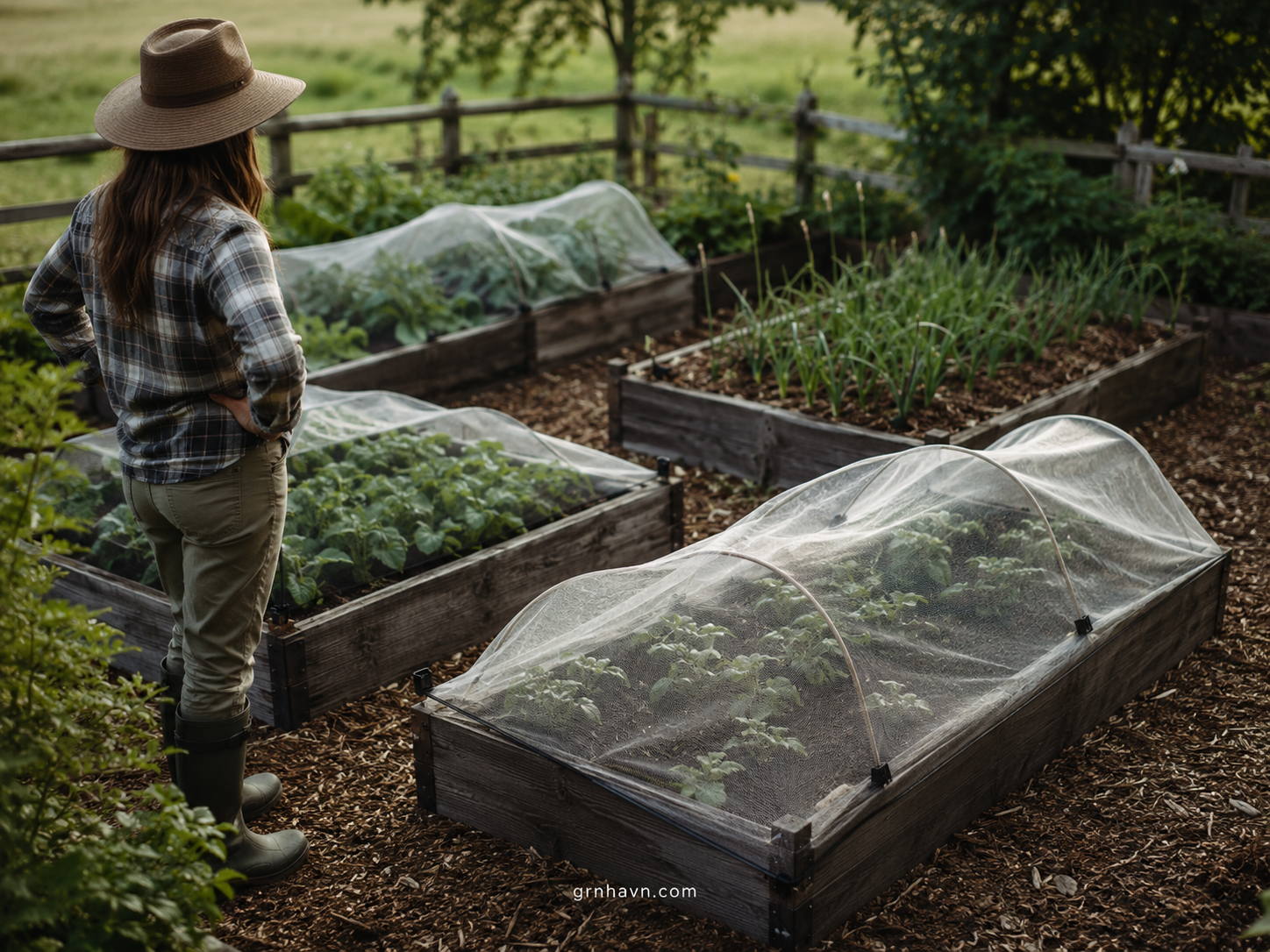
Garden preparation for winter isn’t just mulch. It’s also structure—wind protection, breathable covers, and moisture management. The biggest mistake I see is using the wrong kind of “cover” for too long. Some gardeners wrap plants tightly, trapping damp air and increasing fungal risk when temperatures hover in the danger zone.
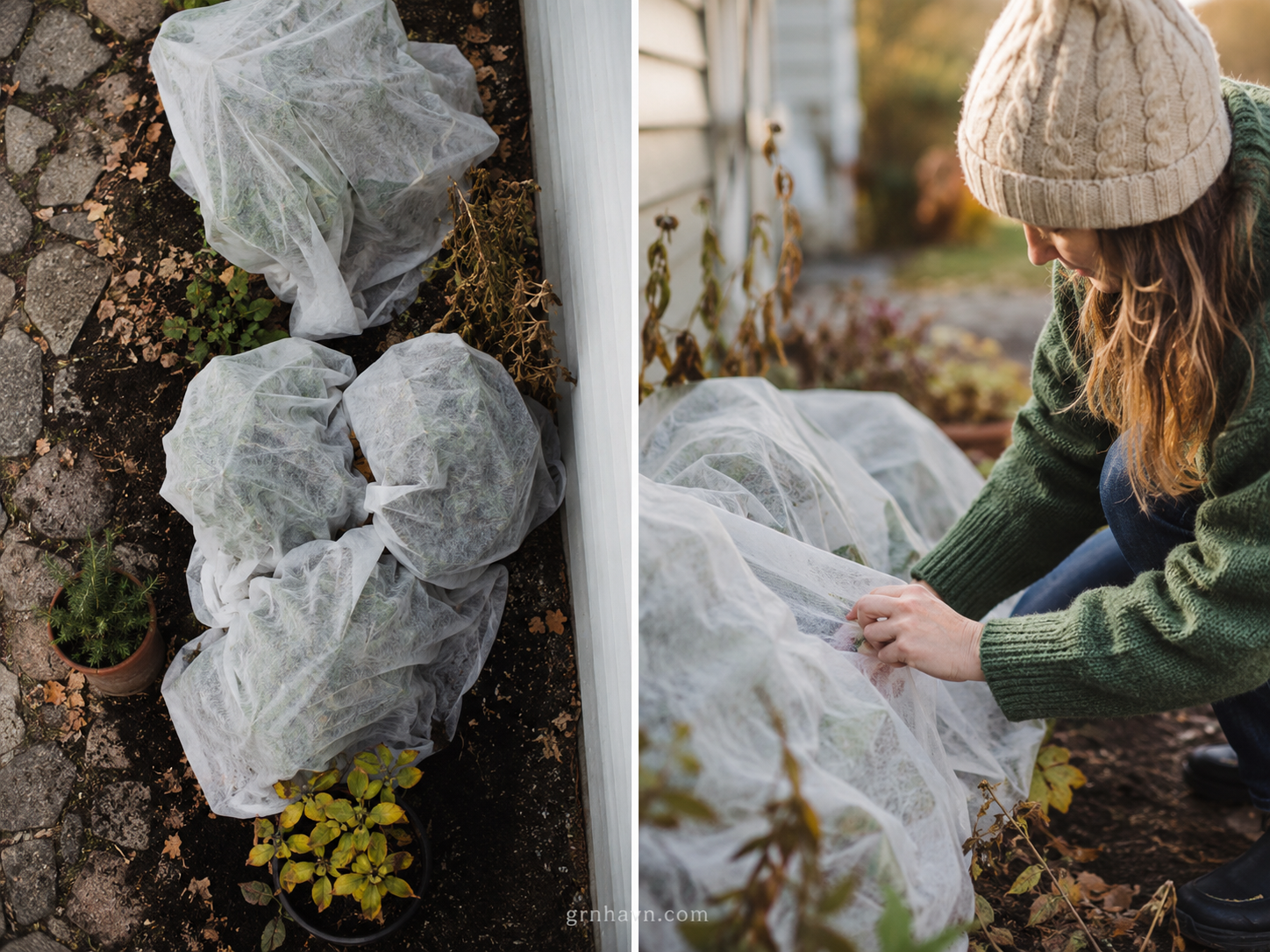
Instead, use protection that reduces stress without suffocating. For many situations, breathable frost cloth or lightweight coverings help protect leaves and reduce direct exposure. Row covers should be secure enough to stay in place during cold nights and breezy conditions—especially if you’re in open Europe fields or windy coastal zones.
Build your protection around the frost pattern. If your frost-date logic says cold snaps arrive early, prioritize tender plants and containers first. If your area stays mild longer, you may focus on soil stabilization and only add coverings when frost becomes likely.
My hands-on advice: aim for consistent conditions rather than dramatic changes. Cover on schedule, ventilate when possible during milder days, and remove or adjust when the threat passes. That’s how protection becomes effective instead of accidental.
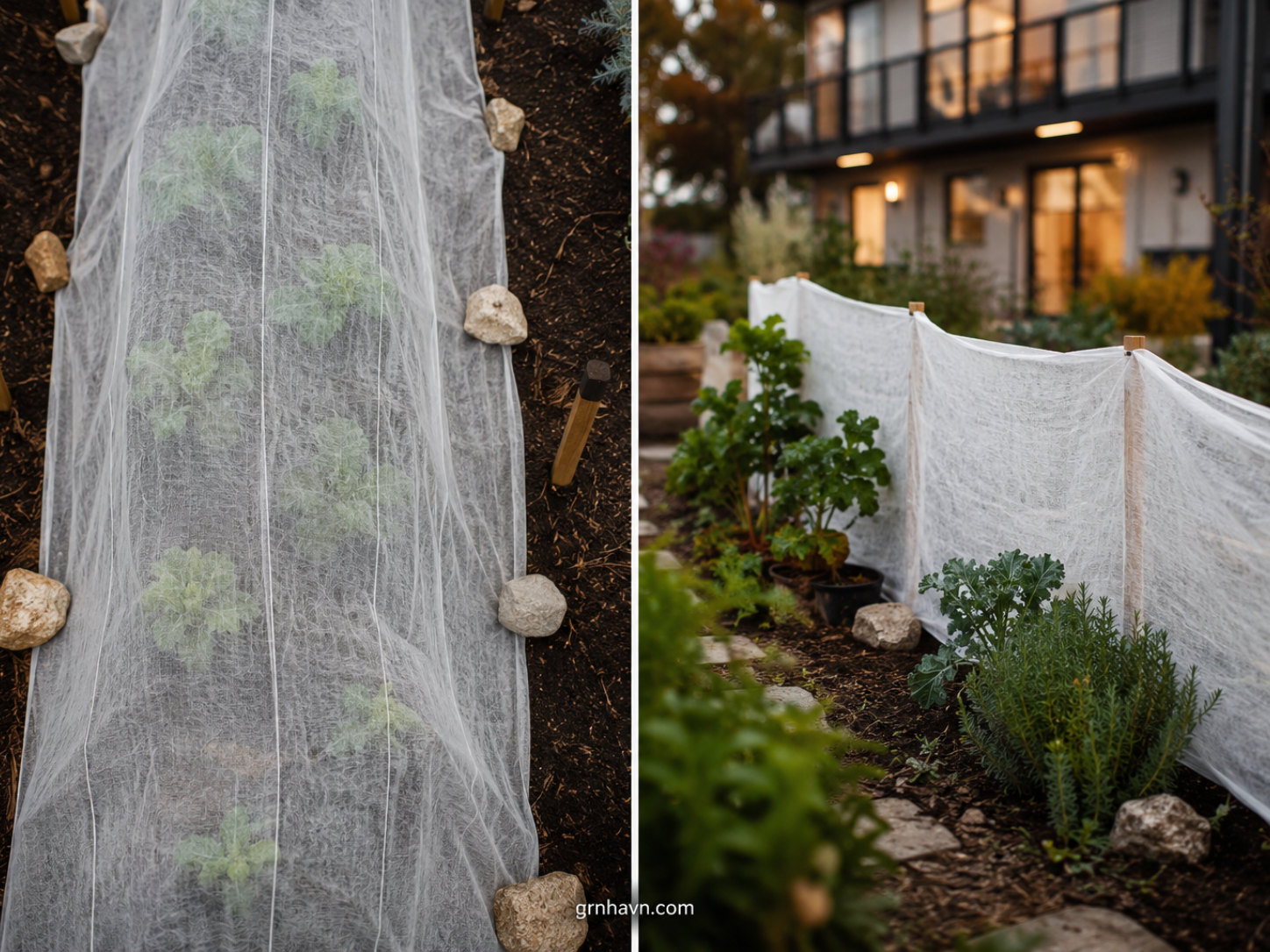
Winterize Garden Before First Frost
“First frost is a deadline—your garden needs a head start.”
Winterize garden before first frost and you’ll remove a ton of stress from your season. This is the moment when planning becomes action: stop late pruning, secure protection, and ensure mulch and soil are in place.
Here’s how I translate frost-date logic into real work: If your first frost is coming in roughly the next few weeks, you should be done with major changes—clean-up, soil prep, and mulch. If the forecast begins showing repeated nights near freezing, then you move tender plants into “protect mode.”
Think in both units because weather charts can be confusing. Frost often forms near or below 32°F (0°C). If you’re seeing repeated lows in the high 20s °F (-2 to -1°C) you’ll want more reliable protection, especially for containers and delicate foliage.
I also remind people of something that feels small but matters: label your vulnerable plants and note what needs coverage. During busy days, it’s easy to forget which plant is tender. A simple tag or note can save you from an “oh no, I missed that one” moment.
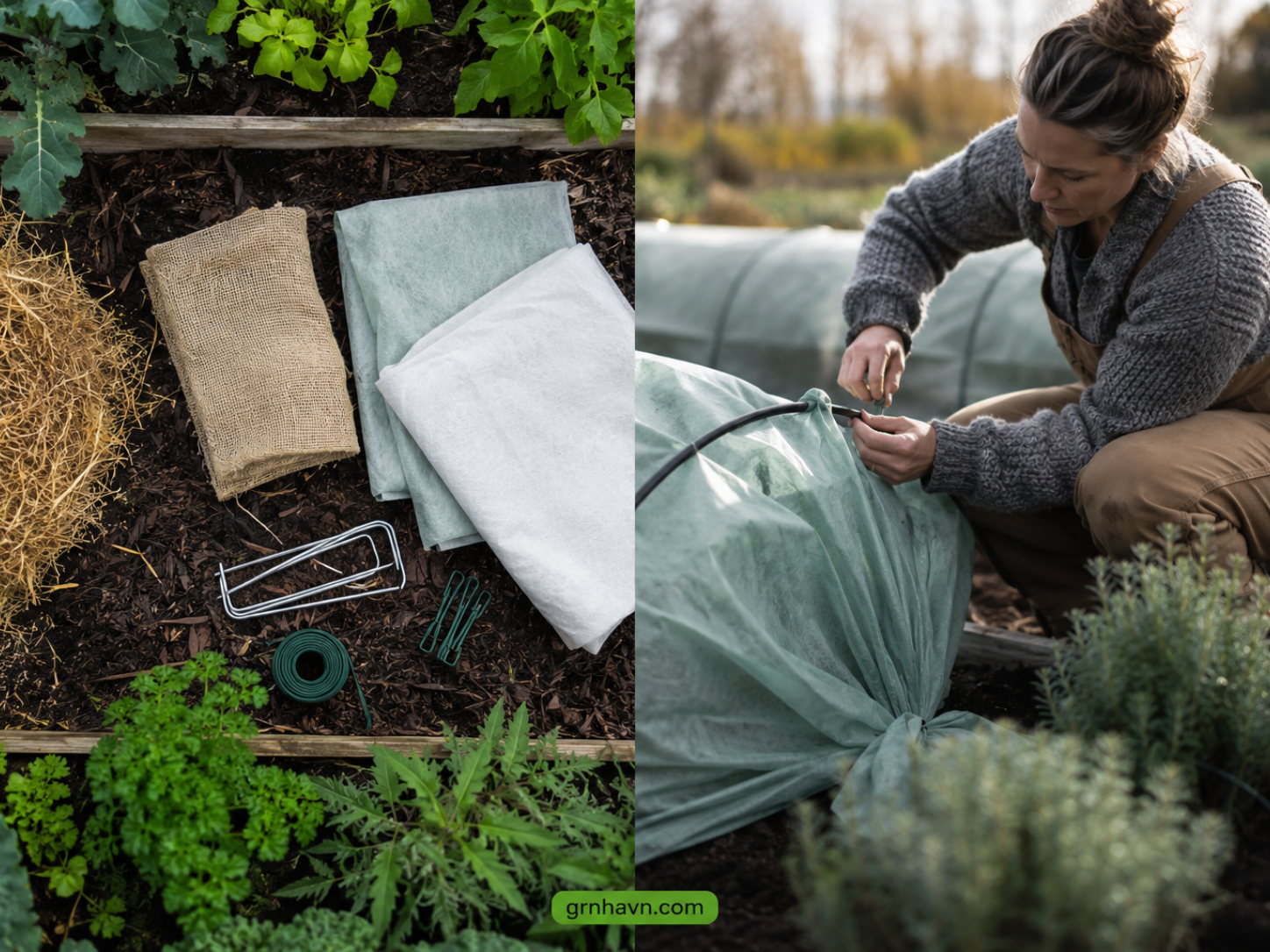
Protect Garden Plants From Frost
“Protection works best when it’s breathable, timely, and a little bit gentle.”
Protect garden plants from frost by focusing on two things: reducing exposure and preventing moisture problems. Frost damage happens when plant tissues are exposed to freezing temperatures, and cold wind makes it worse.
For many gardens, mulch prevents soil from swinging too wildly. For above-ground parts, frost cloth, cloches, or temporary covers can reduce leaf freezing and help plants hold their structure. The biggest “learned the hard way” lesson: don’t seal everything tightly. When coverings trap moisture and humidity, you can create the conditions for disease.
If you’re using covers, apply them strategically. Cover tender plants when frost threats are likely, and ventilate during mild afternoons when possible. In the US, frost-date logic guides this. In Europe, watch local forecasts and seasonal temperature drops (°C) for your region. If the forecast repeatedly approaches 32°F (0°C), it’s time to protect.
Also remember windbreaks. A simple placement change—turning plants toward a sheltered side—can help more than an extra layer of fabric. Your garden already contains microclimates; use them kindly.
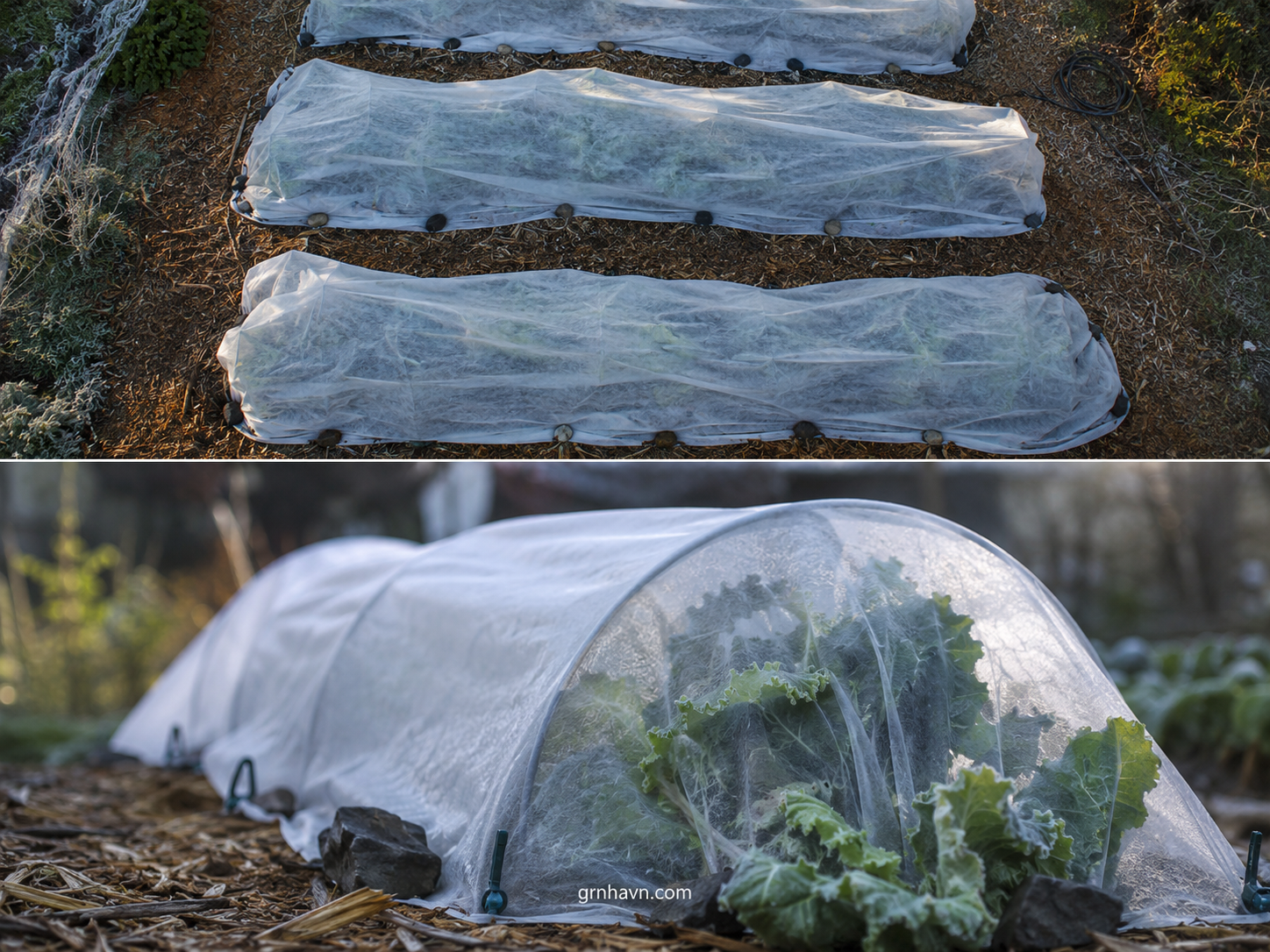
You can often find frost cloth, lightweight row cover fabric, and garden clips locally at your garden center, nearby home improvement store, or even some grocery/home shops during autumn season aisles. A quick tip: buy or choose a fabric that’s breathable (not airtight) and pair it with clips or weights so it stays secure through windy nights.
Another easy local option is your nursery shop, hardware shop, or community marketplaces like Facebook Marketplace for second-hand cloches or clips. If you go this route, also pick up any supporting items you’re missing—like garden clips, stakes, or light twine to set a simple frame.
For fast online shopping, you can check Amazon or compare options using the curated list below. This helps you match fabric weight and coverage size to your beds and containers.
How To Winterize Outdoor Plants
“Outdoor plants don’t need fear. They need a gentle shield and a predictable routine.”
How to winterize outdoor plants is really about matching protection to vulnerability. Ask: is this plant cold-hardy, semi-hardy, or truly tender? Then adjust your effort. Some plants simply need mulch and drainage. Others need cloches, frames, or extra shelter.
I like to work by “risk level.” High risk: containers, tender perennials, young plants, and plants in windy exposure. Medium risk: many perennials in exposed spots. Lower risk: established hardy shrubs and bulbs with decent drainage.
For containers, winterization is especially important because they freeze faster than in-ground soil. Move them to sheltered spots if possible, add insulation around pots, and keep mulch coverage generous. If you’re aiming to protect roots without soaking them, prioritize breathable coverings and avoid trapping water inside pot covers.
Finally, remember that “winter protection” isn’t an all-season blanket. When mild spells happen, check coverings and ventilate when feasible. That one habit prevents many problems gardeners blame on “bad luck.”
Garden Winterization Checklist
“A checklist turns uncertainty into certainty—and gives your future self peace.”
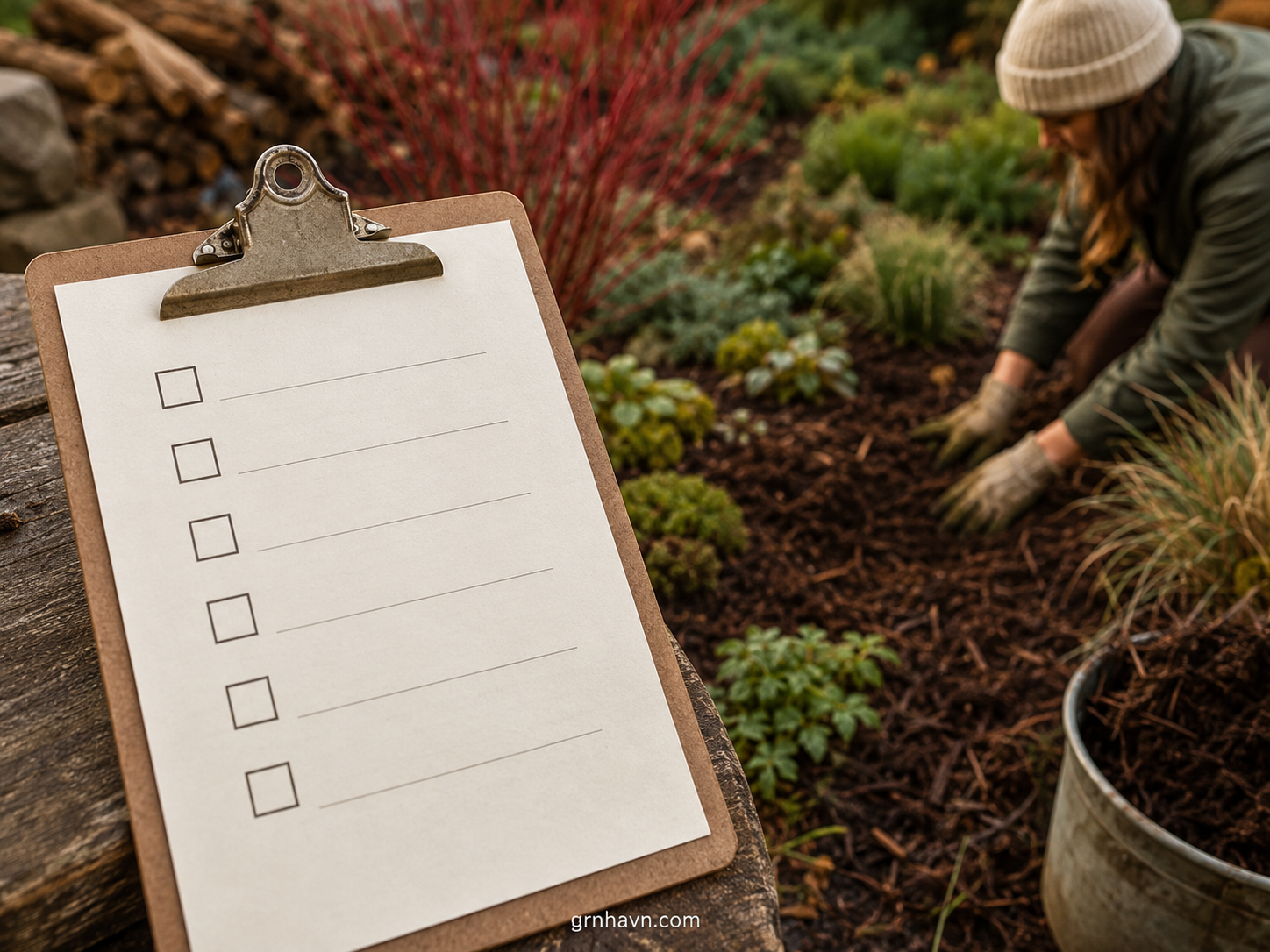
Use this as your “done list.” Not all gardens need every step—but every garden benefits from having a clear order. This checklist is designed for Europe + America together, using zone and frost-date logic where possible.
Quick guide for temperature awareness: frost risk typically increases near 32°F / 0°C. If your nights are hovering around that mark, you should be finishing mulch and protection. If you’re in deeper cold areas, be more decisive about covering tender plants sooner.
- Stop late feeding to avoid tender new growth
- Clean gently: remove diseased debris, leave healthy structure
- Stabilize moisture: water only if soil is dry, avoid soggy beds
- Mulch: about 2–4 inches (5–10 cm) where appropriate
- Protect tender plants: breathable covers, cloches, or windbreaks
- Containers: insulate/shelter to slow freeze
- Final check before predicted first frost night
Steps To Winterize Garden Beds
“Every bed has a rhythm. Winterization is just listening closely and supporting the rhythm.”
These steps are the ones I rely on when I want reliable spring results. They’re practical, gentle on soil, and designed to prevent winter stress.
Step 1: Tidy with purpose—remove dead annuals and diseased material, but don’t aggressively strip all perennials. Step 2: Check drainage—if the bed stays wet, fix the issue (amend or improve drainage practices) before hard freezes. Step 3: Add compost/organic matter where suitable. Step 4: Mulch consistently at about 2–4 inches (5–10 cm), avoiding crowns where needed. Step 5: Cover tender plants when frost becomes likely—especially if nighttime lows dip toward 32°F / 0°C.
Mini case-study feeling (but honest): the gardens that do best are the ones with stable beds. When mulch is even and moisture is balanced, plants spend winter using energy on survival—not shock. When gardeners rush late pruning or cover too early without breathing room, winter becomes harder than it should be.
If you want one “opinion” shortcut: focus first on soil health and moisture stability. Then protect the tops. That combination is what turns “maybe it survives” into “I’m confident it will bounce back.”
Prepare Garden For Winter (Printable Plan)
“Print it, check it, breathe easier. Your garden will feel the difference.”
Here’s your final printable checklist. Use it like a gentle script. If you’re in the US, align key dates to your USDA hardiness zone and frost-date logic. If you’re in Europe, align to your region’s minimum temperatures and forecast frost warnings. Either way, aim to complete major bed protection before first frost night.
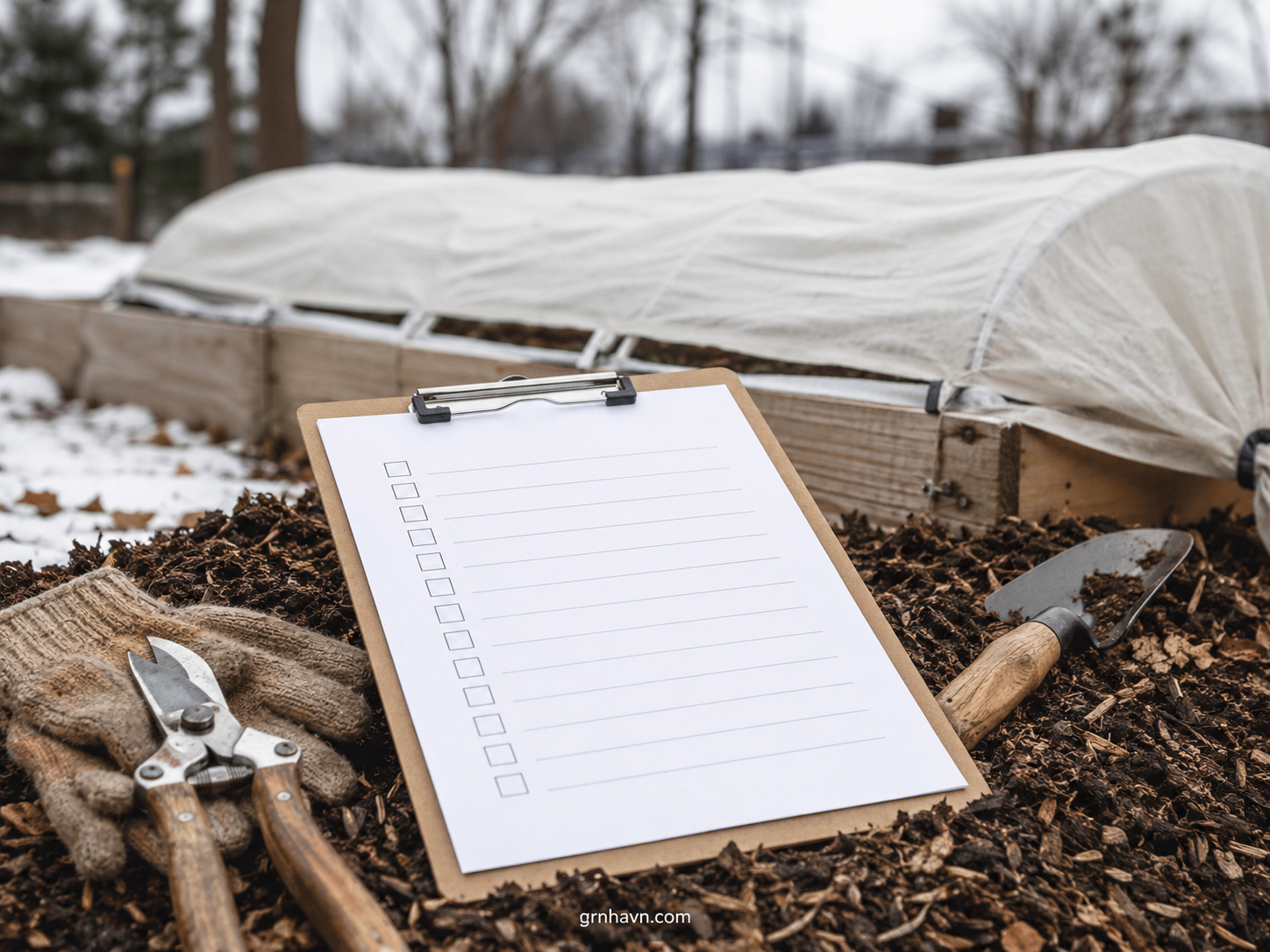
Winterization Checklist — How to Winterize Garden
| Task | Done |
|---|---|
| Review frost-date timing (US USDA zones or Europe frost/temperature logic) | |
| Stop late-season feeding; avoid pushing tender new growth | |
| Gentle cleanup: remove diseased debris; leave healthy structure | |
| Stabilize moisture: water only if soil is dry; avoid overwatering | |
| Mulch beds with ~2–4 inches (5–10 cm) where appropriate | |
| Protect vulnerable plants: use breathable covers when nights approach 32°F / 0°C | |
| Winterize containers: shelter/insulate to slow freeze damage | |
| Final check before predicted first frost night |
Tip: For most regions, prioritize tasks before temperatures repeatedly hover around 32°F / 0°C.
What Not To Do (Overwatering/Late Pruning)
“Winter mistakes are often gentle ones—like trying too hard at the wrong time.”
Let’s talk about what not to do, because this is where gardeners accidentally undo their own good work. When learning how to winterize a garden, the two classic traps are overwatering and late pruning.
Overwatering: If the soil is already wet, adding more water before cold snaps can increase root stress and disease risk. It also makes frost damage worse in some situations because water in the soil and around tissues can freeze and expand. Instead: water deeply only when soil is dry enough to absorb, then stop.
Late pruning: Pruning too close to freezing can trigger new growth or leave fresh cuts that are vulnerable. Even if the plant “survives,” it may use energy that would be better spent on root survival. A safer approach: finish structural pruning earlier and let the plant enter rest mode gradually.
Another “quiet mistake” I see: covering too early and too tightly. If you trap humid air, you can create conditions for fungal problems. Prefer breathable coverings and ventilate during milder days when possible.
- Don’t water just because you feel anxious—check soil first.
- Don’t prune late unless you’re removing dead, damaged, or diseased tissue.
- Don’t seal plants airtight; use breathable protection.
- Don’t pile mulch directly against crowns when that plant type is sensitive.
Common Mistakes
“Most setbacks aren’t failures—they’re feedback. And you can use it.”
Here are the common mistakes that show up again and again when people try to winterize garden beds and outdoor plants. I’m sharing these with love because I’ve made a few of them myself—then watched spring reveal the consequences.
1) Waiting too late. If frost arrives before you’ve mulched and protected tender plants, you scramble. Rushed decisions often lead to poor coverage or accidental damage.
2) Mulching incorrectly. Mulch depth that’s too thin doesn’t moderate soil temperature swings. Mulch piled against crowns can keep moisture sitting where it shouldn’t.
3) Covering too early. Early covers can keep beds too warm and damp. When temperatures fluctuate, you may invite disease rather than prevent it.
4) Forgetting containers. Pots freeze faster than ground soil. Even hardy plants can struggle if their roots are exposed to repeated freeze/thaw cycles.
5) Ignoring microclimates. Wind, shelter, drainage, and sun exposure can turn one neighborhood garden into three different outcomes.
FAQ: How to Winterize Garden
1) When should I winterize my garden?
Start before first frost—once nights repeatedly approach 32°F (0°C). In the US, use your USDA hardiness zone and frost-date logic; in Europe, follow regional frost/temperature patterns and your garden’s microclimate.
2) What does “winterizing” actually do for plants?
It stabilizes conditions: helps roots through temperature swings, prevents risky moisture problems, and reduces cold wind exposure. Mulch and breathable protection are the core “quiet support” mechanisms.
3) How do I winterize garden soil for winter?
Add suitable organic matter (like compost), protect the surface with mulch, and avoid excessive disturbance. Healthy soil structure improves drainage and resilience during freeze/thaw cycles.
4) Should I prune in fall?
If you’re pruning, keep it gentle and strategic—remove dead or diseased parts, but avoid late pruning that can encourage new growth. Timing is everything as temperatures near freezing.
5) Is overwatering a winter problem?
Yes. Overwatering before cold snaps can increase root stress and disease risk. Check soil moisture first—water only when the bed is dry enough to absorb.
6) How thick should mulch be?
A common range is 2–4 inches (5–10 cm) depending on plant type and climate. Avoid piling mulch against sensitive crowns where moisture can accumulate.
7) Do I need to cover plants before frost?
Cover tender plants when frost becomes likely and nights approach freezing. Choose breathable coverings and ventilate during milder days to avoid trapping damp humidity.
8) What about containers—do they need different winterization?
Definitely. Pots freeze faster than in-ground soil. Shelter them, insulate pot sides if needed, and use soil-appropriate moisture care to reduce freeze/thaw stress.
9) Can I winterize a vegetable garden?
Yes. Remove spent crops, manage weeds gently, stabilize soil with compost/mulch, and consider cover crops if suitable. If you grow cold-tolerant greens, use breathable protection when frost threatens.
10) How do I time winterization in colder vs mild climates?
In mild areas, focus on soil stability and late-season feeding changes, then add protection only when frost is truly expected. In colder areas, prioritize vulnerable plants earlier and complete key bed preparation before predictable freezing.
11) What’s the safest way to protect plants from frost?
Use mulch for soil stability and breathable covers for above-ground protection. Combine with windbreak positioning and avoid airtight sealing that can trap moisture.
12) What is the biggest mistake beginners make?
Waiting too long and trying to do everything at the last moment—then overwatering or pruning late. The best approach is steady preparation and careful timing around frost.
“When you winterize with calm intention, your garden rests with confidence—and springs back with gratitude.”
My final verdict is simple: how to winterize garden isn’t about doing more—it’s about doing the right things in the right order. I’ve seen the biggest improvements come from stabilizing soil and moisture, adding appropriate mulch depth, and using breathable protection at the moment frost becomes truly likely. Whether you follow US USDA hardiness zone cues or Europe’s frost/temperature logic, your garden responds best to steady preparation and gentle, breathable care.
If you want spring to feel lighter, start now—print the checklist, choose your priority beds, and treat winterization like a loving routine. Your future garden self will thank you.
Ready to turn “maybe” into “done”?
Save this page, print the checklist, and winterize with confidence. You don’t need perfection—just a warm, thoughtful sequence.
Blog: grnhavn.com • Category: General Tips & Knowledge